
 EN
EN


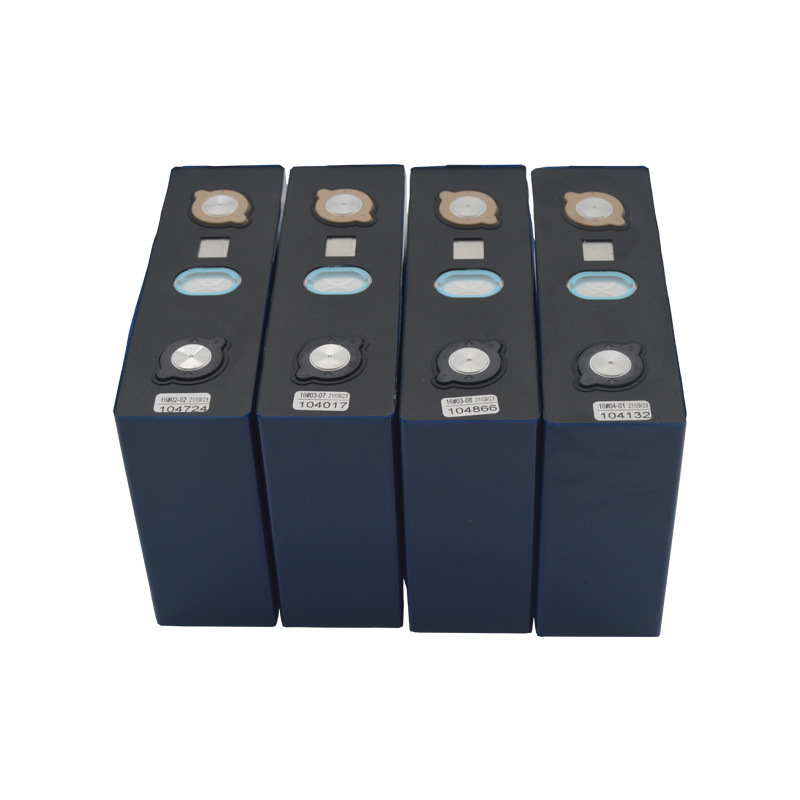
When selecting a battery solution for your energy storage needs, the decision between lithium battery technology and traditional lead acid systems represents one of the most critical choices facing modern consumers and businesses. The lithium battery revolution has fundamentally transformed how we approach portable power, offering unprecedented efficiency and longevity compared to conventional alternatives. Understanding the key differences between these technologies will help you make an informed decision that aligns with your specific requirements, budget constraints, and long-term energy goals.
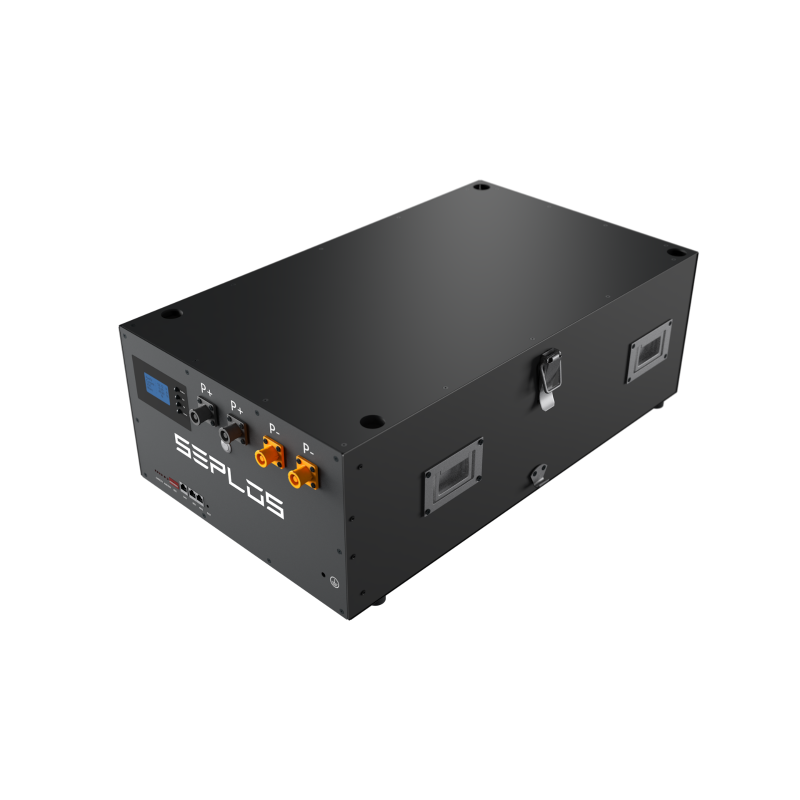
Understanding Battery Chemistry Fundamentals
Lithium Battery Technology Overview
The lithium battery operates through the movement of lithium ions between positive and negative electrodes during charging and discharging cycles. This electrochemical process occurs within a controlled environment that maximizes energy density while minimizing weight and volume requirements. Modern lithium battery systems utilize advanced lithium iron phosphate chemistry, which provides exceptional thermal stability and safety characteristics compared to earlier lithium technologies.
Advanced battery management systems integrated into lithium battery designs monitor cell voltage, temperature, and current flow to prevent overcharging, deep discharge, and thermal runaway conditions. These sophisticated control mechanisms ensure optimal performance throughout the battery's operational lifetime while protecting against potential safety hazards. The result is a highly reliable energy storage solution that consistently delivers rated capacity across thousands of charge cycles.
Lead Acid Battery Mechanics
Lead acid batteries function through a chemical reaction between lead plates and sulfuric acid electrolyte, converting chemical energy into electrical power during discharge cycles. This well-established technology has served various applications for over a century, proving its reliability and cost-effectiveness in numerous industrial and automotive applications. The electrochemical process involves lead dioxide positive plates and sponge lead negative plates immersed in diluted sulfuric acid solution.
During discharge, both positive and negative plates convert to lead sulfate while the electrolyte becomes increasingly diluted. The reverse process occurs during charging, restoring the original chemical composition and regenerating stored energy capacity. While this technology remains widely used due to its low initial cost and proven track record, it suffers from inherent limitations in energy density, cycle life, and maintenance requirements compared to modern alternatives.
Performance Characteristics and Efficiency
Energy Density and Weight Considerations
The lithium battery delivers significantly higher energy density compared to lead acid alternatives, typically providing three to four times more energy storage capacity per unit weight. This advantage translates into reduced installation space requirements, lower structural support costs, and improved system portability for mobile applications. The compact form factor of lithium battery systems enables flexible installation configurations that maximize available space utilization.
Weight reduction benefits extend beyond simple portability considerations, particularly in applications where payload capacity directly impacts operational efficiency. Solar installations, electric vehicles, marine applications, and backup power systems all benefit from the reduced weight characteristics inherent in lithium battery technology. The improved power-to-weight ratio enables system designers to optimize overall performance while minimizing infrastructure requirements.
Charging Speed and Efficiency
Modern lithium battery systems accept charge rates significantly faster than lead acid equivalents, often achieving full capacity in two to four hours compared to eight to twelve hours required for traditional technologies. This rapid charging capability reduces downtime in critical applications while improving overall system availability and productivity. Advanced charging algorithms optimize power delivery throughout the charging process, maintaining efficiency while protecting battery longevity.
The high charging efficiency of lithium battery technology, typically exceeding ninety-five percent, minimizes energy waste during the charging process. This efficiency advantage reduces operating costs while improving environmental sustainability compared to lead acid systems that typically achieve eighty to eighty-five percent charging efficiency. The reduced energy loss translates into lower electricity bills and decreased carbon footprint for environmentally conscious applications.
Longevity and Lifecycle Economics
Cycle Life Performance
The lithium battery typically delivers three thousand to five thousand charge cycles at eighty percent depth of discharge, significantly outperforming lead acid batteries that provide three hundred to five hundred cycles under similar conditions. This extended cycle life translates into reduced replacement frequency and lower total cost of ownership despite higher initial purchase prices. The superior longevity makes lithium battery technology particularly attractive for applications requiring frequent cycling or extended service life.
Depth of discharge capabilities further enhance the practical lifespan of lithium battery systems, allowing users to utilize nearly the full rated capacity without compromising longevity. Lead acid batteries require limiting discharge depth to fifty percent or less to achieve reasonable cycle life, effectively halving their usable capacity. This fundamental difference means that lithium battery systems provide more practical energy storage while lasting significantly longer in real-world applications.
Maintenance Requirements
Lithium battery systems operate as sealed, maintenance-free units that require no periodic electrolyte level checks, terminal cleaning, or equalization charging procedures. This maintenance-free operation reduces ongoing service costs while eliminating the risk of human error during routine maintenance activities. The absence of liquid electrolytes also eliminates concerns about spillage, corrosion, or ventilation requirements associated with traditional battery technologies.
Lead acid batteries demand regular maintenance including electrolyte level monitoring, terminal cleaning, and periodic equalization charging to maintain optimal performance. These maintenance requirements increase operational costs while creating potential safety hazards due to corrosive electrolytes and hydrogen gas generation during charging. The ongoing maintenance burden makes lead acid technology less attractive for remote installations or applications where regular service access proves challenging.
Safety and Environmental Considerations
Safety Characteristics
Modern lithium battery technology incorporates multiple safety features including thermal management systems, pressure relief valves, and sophisticated battery management systems that monitor operating conditions continuously. These safety mechanisms prevent thermal runaway events while protecting against overcharging, over-discharging, and short circuit conditions. The inherent stability of lithium iron phosphate chemistry provides additional safety margins compared to other lithium technologies.
The sealed construction of lithium battery systems eliminates exposure to corrosive electrolytes while preventing hydrogen gas emissions that create explosion hazards in enclosed spaces. This improved safety profile makes lithium battery technology suitable for indoor installations and occupied spaces where traditional battery technologies require special ventilation and safety precautions. The reduced fire and explosion risk enhances overall system safety while simplifying installation requirements.
Environmental Impact
Lithium battery technology offers superior environmental characteristics through reduced material consumption, longer service life, and higher recycling potential compared to lead acid alternatives. The extended operational lifetime reduces the frequency of battery replacement and disposal, minimizing environmental impact throughout the product lifecycle. Advanced recycling processes can recover valuable materials from spent lithium battery systems, supporting circular economy principles.
The absence of toxic lead compounds in lithium battery construction eliminates soil and water contamination risks associated with improper disposal of lead acid batteries. While lithium battery systems require proper recycling procedures, they pose significantly lower environmental risks throughout their operational lifetime and end-of-life disposal. The improved energy efficiency also reduces indirect environmental impact by minimizing electricity consumption during charging cycles.
Cost Analysis and Economic Considerations
Initial Investment Requirements
The upfront cost of lithium battery systems typically ranges from two to four times higher than equivalent lead acid alternatives, creating a significant barrier to adoption for budget-conscious applications. However, this initial cost differential must be evaluated against the total cost of ownership including replacement frequency, maintenance expenses, and operational efficiency gains. The higher initial investment often proves economically justified when considering the extended service life and reduced maintenance requirements of lithium battery technology.
Financing options and incentive programs can help offset the initial cost premium associated with lithium battery installations, particularly for renewable energy applications that qualify for tax credits or rebate programs. The improved performance characteristics often enable system downsizing compared to lead acid alternatives, partially offsetting the higher per-unit costs through reduced capacity requirements. These economic factors should be carefully evaluated based on specific application requirements and available financing options.
Total Cost of Ownership
Long-term economic analysis typically favors lithium battery technology due to extended service life, reduced maintenance costs, and improved operational efficiency. The combination of longer cycle life, higher depth of discharge capability, and maintenance-free operation often results in lower total cost of ownership despite higher initial purchase prices. This economic advantage becomes more pronounced in applications requiring frequent cycling or extended service periods.
The improved charging efficiency and faster charging capabilities of lithium battery systems can generate additional economic benefits through reduced electricity costs and improved system availability. Applications that benefit from reduced weight or compact installation requirements may realize further cost savings through simplified mounting structures and reduced installation complexity. These indirect cost benefits should be included in comprehensive economic evaluations.
Application-Specific Considerations
Solar Energy Storage Systems
Solar installations particularly benefit from lithium battery technology due to daily cycling requirements and the need for efficient energy storage and retrieval. The high charging efficiency and rapid charge acceptance characteristics of lithium battery systems maximize solar energy capture while minimizing losses during storage and discharge cycles. The compact form factor enables flexible installation configurations that optimize available space in residential and commercial solar applications.
The extended cycle life of lithium battery systems aligns well with the twenty-five-year design life of solar photovoltaic systems, reducing the need for battery replacement during the system's operational lifetime. This longevity advantage provides significant economic benefits while simplifying long-term maintenance planning for solar energy installations. The maintenance-free operation further enhances the appeal of lithium battery technology for solar applications where regular service access may be limited.
Backup Power Applications
Critical backup power applications benefit from the reliability and instant response characteristics of lithium battery systems. The ability to deliver full rated power immediately without warm-up periods makes lithium battery technology ideal for uninterruptible power supply applications protecting sensitive electronic equipment. The extended standby life and low self-discharge characteristics ensure reliable emergency power availability when needed most.
The maintenance-free operation of lithium battery systems reduces the risk of backup power failure due to neglected maintenance, a common concern with lead acid battery installations. The improved safety characteristics also make lithium battery technology more suitable for installation in occupied buildings where ventilation requirements and safety concerns may limit lead acid battery deployment. These factors make lithium battery systems increasingly popular for critical backup power applications.
FAQ
How long do lithium batteries last compared to lead acid batteries
Lithium batteries typically provide three thousand to five thousand charge cycles at eighty percent depth of discharge, lasting eight to ten years or more in typical applications. Lead acid batteries usually deliver three hundred to five hundred cycles and last two to four years under similar conditions. The extended lifespan of lithium battery technology results in fewer replacements and lower long-term costs despite higher initial purchase prices.
Are lithium batteries worth the extra cost
The higher initial cost of lithium battery systems is often justified by their extended service life, reduced maintenance requirements, and improved performance characteristics. Total cost of ownership analysis typically favors lithium battery technology for applications requiring frequent cycling, extended service life, or maintenance-free operation. The economic benefits become more pronounced in demanding applications where reliability and performance are critical factors.
What are the main safety differences between lithium and lead acid batteries
Lithium battery systems eliminate exposure to corrosive electrolytes and hydrogen gas emissions while incorporating advanced safety features including thermal management and battery monitoring systems. Lead acid batteries require ventilation to prevent hydrogen gas accumulation and pose risks from corrosive sulfuric acid electrolyte. Modern lithium battery technology provides improved safety characteristics suitable for indoor installation and occupied spaces.
Can lithium batteries be used as direct replacements for lead acid batteries
While lithium battery systems can often replace lead acid batteries in many applications, proper system compatibility must be verified including charging system requirements and voltage characteristics. Some applications may require charging system modifications to optimize lithium battery performance and longevity. Professional installation and system evaluation ensure proper integration and maximum performance benefits from lithium battery technology upgrades.
