
 EN
EN


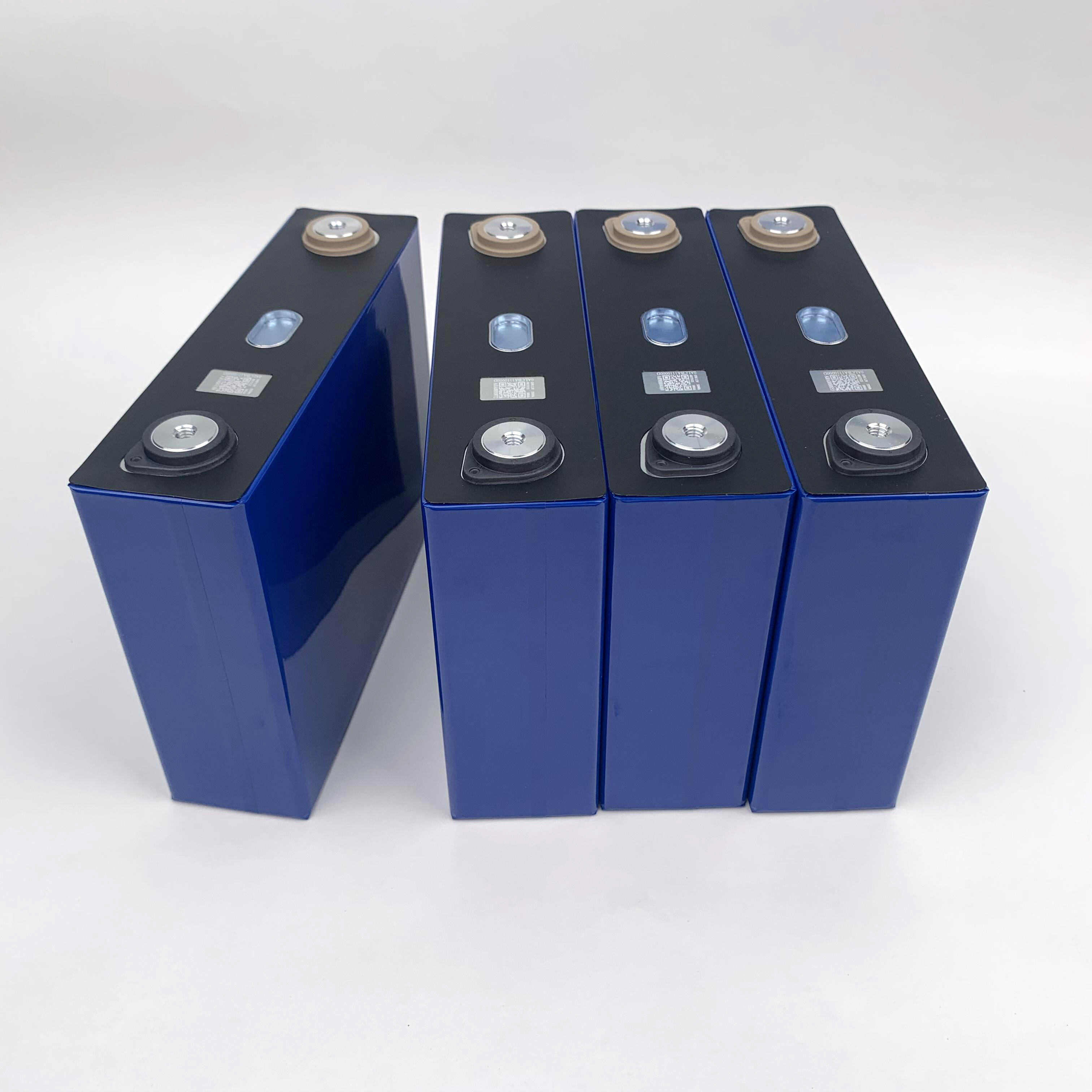
The energy storage landscape has undergone remarkable transformation in recent years, with lithium iron phosphate technology emerging as the preferred choice for residential and commercial applications. A lifepo4 battery represents a significant advancement over traditional lead-acid and other lithium chemistries, offering superior safety, longevity, and performance characteristics. As we enter 2025, understanding the unique benefits and diverse applications of this technology becomes increasingly crucial for consumers, businesses, and industry professionals seeking reliable energy storage solutions.
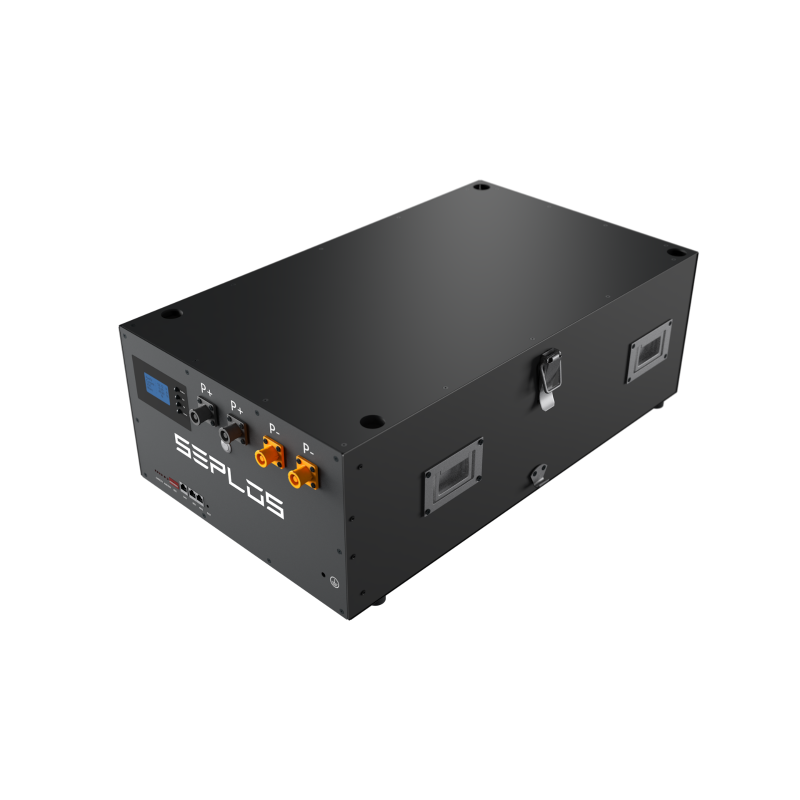
The remarkable stability and thermal characteristics of lithium iron phosphate chemistry have positioned these batteries at the forefront of modern energy storage applications. Unlike conventional battery technologies that may pose safety risks or experience rapid degradation, a lifepo4 battery maintains consistent performance throughout its operational lifespan while providing exceptional value for long-term investments. This comprehensive guide explores the fundamental advantages, practical applications, and emerging trends that make this technology indispensable for contemporary energy management systems.
Understanding LiFePO4 Battery Technology
Chemical Composition and Structure
The foundation of lithium iron phosphate technology lies in its unique olivine crystal structure, which provides inherent stability and safety advantages over other lithium-ion chemistries. Each lifepo4 battery cell contains lithium ions that migrate between the cathode and anode during charge and discharge cycles, with iron phosphate serving as the cathode material. This specific combination creates a robust electrochemical environment that resists thermal runaway and maintains structural integrity even under extreme operating conditions.
The molecular structure of lithium iron phosphate features strong covalent bonds that prevent oxygen release during thermal stress, eliminating the risk of fire or explosion that may occur with other lithium chemistries. This fundamental safety characteristic makes a lifepo4 battery particularly suitable for residential installations, electric vehicles, and critical infrastructure applications where safety cannot be compromised. The phosphate-based cathode material also demonstrates excellent cycling stability, enabling thousands of charge-discharge cycles without significant capacity degradation.
Operational Characteristics
Modern lithium iron phosphate technology operates within a nominal voltage range of 3.2 volts per cell, with fully charged cells reaching approximately 3.6 volts and discharge cutoff typically occurring around 2.5 volts. A typical lifepo4 battery system maintains flat discharge curves, providing consistent voltage output throughout the majority of its discharge cycle. This characteristic ensures stable power delivery to connected loads and simplifies battery management system design requirements.
Temperature performance represents another significant advantage of lithium iron phosphate chemistry, with most systems operating effectively across temperature ranges from -20°C to 60°C. The thermal stability of a lifepo4 battery enables reliable operation in diverse environmental conditions, from cold climate solar installations to high-temperature industrial applications. Additionally, these batteries demonstrate excellent charge acceptance rates, supporting rapid charging protocols without compromising cycle life or safety margins.
Key Benefits of LiFePO4 Battery Systems
Safety and Reliability
Safety considerations represent the primary advantage driving widespread adoption of lithium iron phosphate technology across diverse applications. The inherent thermal and chemical stability of a lifepo4 battery eliminates the risk of thermal runaway, fire, or explosion that may occur with other lithium-ion chemistries under abusive conditions. This safety profile stems from the strong P-O bonds in the phosphate cathode material, which remain stable even at elevated temperatures and prevent oxygen release that could fuel combustion reactions.
Reliability extends beyond safety to encompass consistent performance characteristics throughout the operational lifespan. A properly maintained lifepo4 battery typically delivers predictable capacity and power output across thousands of cycles, with degradation rates significantly lower than lead-acid or other lithium chemistries. This reliability translates to reduced maintenance requirements, lower total cost of ownership, and increased system uptime for critical applications where power interruptions cannot be tolerated.
Longevity and Cycle Life
The exceptional cycle life of lithium iron phosphate technology represents a compelling economic advantage for long-term energy storage investments. A high-quality lifepo4 battery typically provides 6000 to 8000 charge-discharge cycles at 80% depth of discharge, compared to 500-1000 cycles for traditional lead-acid batteries. This dramatic improvement in cycle life translates to 15-20 years of service life under typical residential or commercial usage patterns, significantly reducing replacement costs and system downtime.
Calendar life performance further enhances the longevity advantages of lithium iron phosphate chemistry, with minimal capacity loss during extended storage periods. Even when not actively cycled, a lifepo4 battery retains its capacity and performance characteristics for many years, making it ideal for backup power applications or seasonal energy storage systems. The combination of excellent cycle life and calendar life performance provides users with confident long-term energy storage solutions that maintain value throughout their operational lifespan.
Residential Applications
Solar Energy Storage Systems
Residential solar energy storage has emerged as the fastest-growing application segment for lithium iron phosphate technology, driven by increasing energy costs and growing environmental consciousness. A residential lifepo4 battery system enables homeowners to maximize solar energy utilization by storing excess daytime generation for evening consumption, effectively reducing grid dependence and electricity bills. The high round-trip efficiency of these systems, typically exceeding 95%, ensures minimal energy losses during storage and retrieval processes.
Integration with modern solar inverters and energy management systems allows homeowners to optimize energy usage patterns automatically, prioritizing solar energy consumption and battery storage over grid electricity purchases. Advanced lifepo4 battery systems provide intelligent load management capabilities, automatically switching to battery power during peak rate periods or grid outages while maintaining essential home functions.
Backup Power Solutions
Home backup power represents another critical application where lithium iron phosphate technology excels due to its reliability and instant response characteristics. During power outages, a lifepo4 battery system can seamlessly transition from grid power to battery power within milliseconds, maintaining uninterrupted electricity supply to critical loads such as refrigeration, lighting, medical equipment, and communication systems. This rapid response capability eliminates the inconvenience and potential hazards associated with traditional backup generators.
The compact form factor and silent operation of battery backup systems make them particularly suitable for residential environments where space constraints and noise considerations are important factors. Unlike fuel-powered generators that require regular maintenance, fuel storage, and produce emissions, a lifepo4 battery backup system operates maintenance-free for years while providing clean, quiet emergency power. Modern systems can be sized to provide several days of backup power for essential loads, offering peace of mind during extended outages.
Commercial and Industrial Applications
Grid Stabilization and Peak Shaving
Commercial enterprises increasingly deploy large-scale lithium iron phosphate systems for demand management and grid stabilization applications. A commercial lifepo4 battery installation enables businesses to reduce peak demand charges by storing electricity during low-cost periods and discharging during high-demand intervals. This peak shaving strategy can reduce electricity costs by 20-40% for facilities with significant demand charges, providing rapid return on investment for properly sized systems.
Grid stabilization services represent an emerging revenue opportunity for commercial battery systems, with utilities offering compensation for providing frequency regulation, voltage support, and spinning reserve services. The fast response characteristics of a lifepo4 battery make it particularly suitable for these ancillary services, which require rapid power adjustments to maintain grid stability. Advanced battery management systems enable automated participation in utility programs while maintaining primary facility power requirements.
Industrial Equipment and Material Handling
Industrial material handling equipment has rapidly adopted lithium iron phosphate technology to replace traditional lead-acid batteries in forklifts, automated guided vehicles, and warehouse automation systems. A lifepo4 battery provides consistent power output throughout its discharge cycle, enabling predictable equipment performance and eliminating the voltage sag issues common with lead-acid systems. The opportunity charging capability allows equipment operators to recharge batteries during breaks without impacting cycle life.
Manufacturing facilities benefit from the maintenance-free operation and environmental advantages of lithium iron phosphate systems, which eliminate the need for battery watering, acid spill cleanup, and hydrogen gas ventilation requirements associated with lead-acid batteries. The compact design of a lifepo4 battery also enables equipment manufacturers to reduce counterweight requirements and improve overall machine efficiency while extending operational runtime between charges.
Transportation and Mobile Applications
Electric Vehicle Integration
The automotive industry has increasingly embraced lithium iron phosphate technology for electric vehicle applications, particularly in commercial vehicles, buses, and utility fleets where safety and longevity outweigh energy density considerations. A lifepo4 battery provides the thermal stability and cycle life required for demanding commercial vehicle duty cycles while maintaining lower costs compared to high-energy-density lithium chemistries. The predictable degradation characteristics enable fleet operators to plan replacement schedules and optimize total cost of ownership.
Charging infrastructure compatibility represents another advantage of lithium iron phosphate technology, with these batteries supporting both AC and DC fast charging protocols without thermal management complexity. The robust nature of a lifepo4 battery enables operation across wide temperature ranges without active cooling systems, simplifying vehicle design and reducing maintenance requirements. This durability makes lithium iron phosphate particularly attractive for heavy-duty applications where reliability is paramount.
Marine and Recreational Vehicle Applications
Marine environments present unique challenges that highlight the advantages of lithium iron phosphate chemistry, including saltwater exposure, vibration, and space constraints. A marine lifepo4 battery provides reliable power for navigation equipment, lighting, and hotel loads while withstanding the harsh conditions encountered in marine applications. The sealed construction eliminates hydrogen gas emissions that could create safety hazards in confined spaces, while the vibration resistance ensures reliable operation in rough sea conditions.
Recreational vehicle installations benefit from the weight reduction and space efficiency of lithium iron phosphate systems compared to traditional lead-acid house banks. A properly sized lifepo4 battery can provide extended off-grid capabilities for RV travelers while supporting modern conveniences such as air conditioning, microwaves, and entertainment systems. The fast charging capability enables rapid battery replenishment from solar panels, shore power, or alternator charging during travel.
Installation and Maintenance Considerations
System Design and Configuration
Proper system design represents a critical factor in maximizing the performance and longevity of lithium iron phosphate installations. A lifepo4 battery system requires appropriate battery management system integration to monitor cell voltages, temperatures, and current flows while providing protective functions such as overvoltage, undervoltage, and overcurrent protection. Modern BMS units offer communication capabilities that enable remote monitoring and system optimization through smartphone applications or web interfaces.
Sizing calculations must account for actual energy requirements, depth of discharge limitations, and temperature derating factors to ensure adequate capacity and system reliability. Unlike lead-acid batteries that should not be discharged below 50% capacity, a lifepo4 battery can safely operate at 80-90% depth of discharge without impacting cycle life, enabling more compact installations. Proper wiring design and thermal management considerations ensure safe operation and optimal performance throughout the system lifespan.
Maintenance Requirements and Best Practices
The maintenance requirements for lithium iron phosphate systems are significantly reduced compared to traditional battery technologies, with most systems requiring only periodic inspection and cleaning. A lifepo4 battery does not require watering, equalization charging, or acid level monitoring like lead-acid systems, eliminating routine maintenance tasks and associated safety hazards. Battery terminals should be inspected periodically for corrosion and tightened to manufacturer specifications to ensure optimal electrical connections.
Environmental considerations include ensuring adequate ventilation around battery enclosures and protecting systems from extreme temperatures that could impact performance or longevity. While a lifepo4 battery operates safely across wide temperature ranges, maintaining optimal temperatures extends cycle life and maximizes system efficiency. Regular monitoring of system performance through battery management system data helps identify potential issues before they impact system operation or safety.
FAQ
How long does a LiFePO4 battery typically last compared to other battery types
A high-quality lifepo4 battery typically provides 6000-8000 charge cycles at 80% depth of discharge, translating to 15-20 years of service life under normal usage conditions. This represents a significant improvement over lead-acid batteries which typically last 3-5 years or 500-1000 cycles, and even exceeds other lithium-ion chemistries which may provide 3000-5000 cycles. The extended lifespan of lithium iron phosphate technology results in lower total cost of ownership despite higher initial investment costs.
What are the main safety advantages of LiFePO4 batteries over other lithium chemistries
The primary safety advantage of a lifepo4 battery stems from its thermal and chemical stability, which prevents thermal runaway events that can occur with other lithium-ion chemistries. The iron phosphate cathode material features strong chemical bonds that remain stable even at elevated temperatures, preventing oxygen release that could fuel fires or explosions. This inherent stability eliminates the need for complex thermal management systems and makes lithium iron phosphate suitable for residential and commercial applications where safety is paramount.
Can LiFePO4 batteries be used in cold weather conditions
Most lifepo4 battery systems operate effectively in temperatures ranging from -20°C to 60°C, though capacity and charging rates may be reduced at extreme temperatures. Cold weather primarily affects charging performance rather than discharging, with most systems requiring temperatures above 0°C for optimal charging rates. Some advanced systems include internal heating elements that enable charging in sub-freezing conditions, making lithium iron phosphate suitable for cold climate installations with proper system design.
What size LiFePO4 battery system do I need for my home
Sizing a residential lifepo4 battery system requires analysis of daily energy consumption patterns, desired backup duration, and available charging sources such as solar panels or grid electricity. A typical home might require 10-20 kWh of battery storage for daily solar energy shifting, while backup power applications may need 20-40 kWh depending on essential load requirements and desired autonomy. Professional energy audits and load analysis ensure proper system sizing that meets specific needs while optimizing investment returns and system performance.
