
 EN
EN


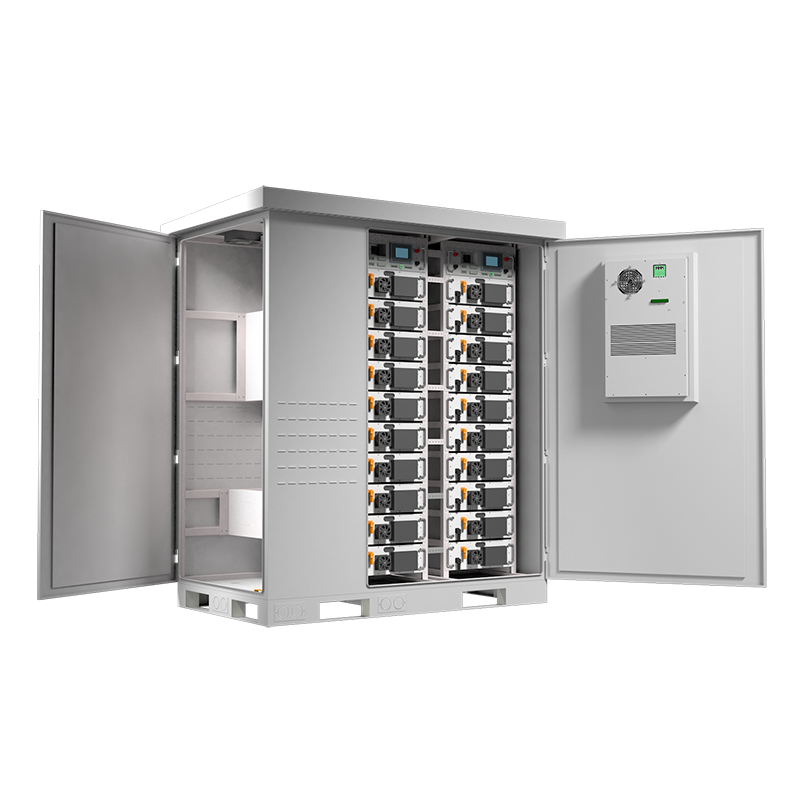
Understanding the financial implications of implementing industrial & commercial energy storage systems requires a comprehensive examination of both upfront investments and long-term operational benefits. The cost structure for these systems extends beyond simple equipment pricing to encompass installation expenses, maintenance requirements, and the substantial savings potential through peak demand management and energy arbitrage opportunities.
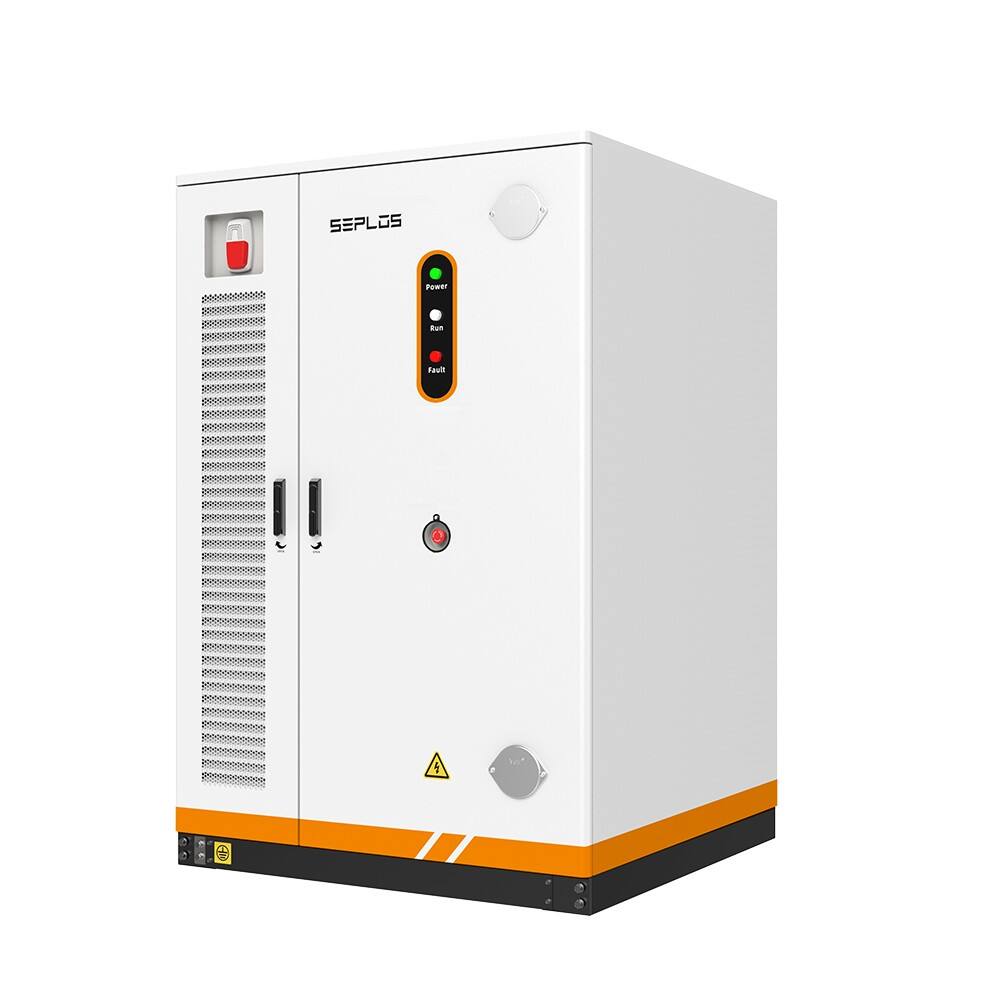
The economic landscape for industrial & commercial energy storage has transformed dramatically over the past decade, with system costs declining by approximately 70% while performance capabilities have increased significantly. This cost reduction trajectory, combined with rising electricity prices and evolving utility rate structures, has positioned energy storage as a financially viable solution for businesses seeking to optimize their energy expenses and enhance operational resilience.
Capital Investment Components
Battery System Costs
The battery component typically represents 40-60% of the total industrial & commercial energy storage system cost, with lithium-ion technologies dominating the market due to their energy density and cycle life characteristics. Current market prices for commercial-grade lithium-ion battery systems range from $300 to $600 per kilowatt-hour, depending on the chemistry, manufacturer, and scale of deployment. Large-scale installations often benefit from volume discounts that can reduce per-unit costs by 15-25%.
Advanced battery management systems integrated into modern industrial & commercial energy storage solutions add approximately $50-100 per kilowatt-hour to the overall system cost but provide essential safety monitoring, thermal management, and performance optimization capabilities. These systems extend battery life by preventing overcharging, deep discharge scenarios, and thermal runaway conditions that could compromise system integrity.
Power Electronics and Inverter Systems
Power conversion equipment, including bidirectional inverters and grid-tie interfaces, constitutes another significant cost component in industrial & commercial energy storage installations. High-quality inverter systems designed for commercial applications typically cost between $150-300 per kilowatt of power capacity, with higher-end units featuring advanced grid support functions and enhanced efficiency ratings commanding premium pricing.
The inverter sizing and specification directly impact both initial costs and long-term performance of industrial & commercial energy storage systems. Oversized inverters provide operational flexibility and future expansion capability but increase upfront costs, while undersized units may limit system utilization and revenue generation potential during peak demand periods.
Installation and Integration Expenses
Site Preparation and Infrastructure
Site preparation costs for industrial & commercial energy storage installations vary significantly based on existing electrical infrastructure, building modifications required, and local permitting requirements. Typical site preparation expenses range from $20,000 to $100,000, depending on the complexity of electrical upgrades, concrete pad installation, and ventilation system requirements for battery housing.
Electrical infrastructure upgrades often represent a substantial portion of installation costs, particularly when existing switchgear, transformers, or distribution panels require replacement or modification to accommodate the energy storage system. These upgrades can add $50-200 per kilowatt-hour to the total project cost but are essential for safe and compliant operation of industrial & commercial energy storage systems.
Labor and Commissioning
Professional installation and commissioning services typically account for 15-25% of the total industrial & commercial energy storage project cost, with experienced contractors charging $75-150 per hour for specialized electrical work. The installation timeline for medium-scale commercial systems generally ranges from 2-6 weeks, depending on system complexity and site-specific challenges.
Commissioning and testing procedures are critical for ensuring optimal performance and warranty compliance of industrial & commercial energy storage systems. These services include system integration testing, grid interconnection verification, and performance validation that confirms the system meets design specifications and safety requirements.
Operational Cost Factors
Maintenance and Monitoring
Annual maintenance costs for industrial & commercial energy storage systems typically range from 1-3% of the initial system investment, covering routine inspections, software updates, and component replacements. Modern systems equipped with remote monitoring capabilities can reduce maintenance costs through predictive analytics that identify potential issues before they result in system failures or performance degradation.
Preventive maintenance programs for industrial & commercial energy storage installations include battery health assessments, cooling system maintenance, and electrical connection inspections that ensure continued safe operation. These programs typically cost $5,000-15,000 annually for medium-scale commercial installations but provide significant value through extended system life and maintained performance levels.
Insurance and Financing Considerations
Insurance costs for industrial & commercial energy storage systems have decreased as the technology has matured and safety standards have evolved. Annual insurance premiums typically range from 0.5-1.5% of the system value, with rates varying based on battery chemistry, installation location, and facility fire protection systems.
Financing options for industrial & commercial energy storage projects include traditional equipment loans, power purchase agreements, and energy-service company arrangements that can eliminate upfront capital requirements. These financing structures often enable businesses to implement industrial & commercial energy storage solutions with positive cash flow from day one through immediate energy savings.
Economic Benefits and Payback Analysis
Peak Demand Reduction
Peak demand charge reduction represents the most significant revenue stream for many industrial & commercial energy storage installations, with potential savings ranging from $10-50 per kilowatt of demand reduction monthly. Facilities with high demand charges and predictable load patterns often achieve payback periods of 5-8 years through demand charge optimization alone.
The economic value of peak demand reduction through industrial & commercial energy storage systems depends heavily on local utility rate structures and the facility's load profile characteristics. Businesses with sharp demand peaks and high demand charges typically realize greater financial benefits compared to facilities with relatively flat load profiles.
Energy Arbitrage and Time-of-Use Optimization
Energy arbitrage opportunities enable industrial & commercial energy storage systems to generate additional revenue by storing electricity during low-cost periods and discharging during high-cost periods. The economic potential varies by location but can contribute $20-100 per megawatt-hour in markets with significant time-of-use price differentials.
Time-of-use rate optimization through strategic charging and discharging of industrial & commercial energy storage systems can reduce electricity costs by 15-30% for facilities with favorable rate structures. These savings compound over the system lifetime, significantly improving the overall return on investment for energy storage projects.
FAQ
What is the typical payback period for industrial & commercial energy storage systems?
The payback period for industrial & commercial energy storage systems typically ranges from 5-10 years, depending on local utility rates, system size, and application. Facilities with high demand charges and favorable time-of-use rates often achieve shorter payback periods, while locations with flatter rate structures may require longer investment recovery timeframes.
How do financing options affect the overall cost of industrial & commercial energy storage projects?
Financing options can significantly impact the total cost of ownership for industrial & commercial energy storage systems. While traditional loans may offer lower total costs over the system lifetime, power purchase agreements and leasing arrangements can eliminate upfront capital requirements and provide immediate positive cash flow through energy savings that exceed monthly payments.
What factors have the greatest impact on industrial & commercial energy storage system costs?
System size, battery technology selection, and site-specific installation requirements have the greatest impact on industrial & commercial energy storage costs. Larger systems benefit from economies of scale, while advanced battery chemistries and complex installations can increase per-unit costs but may provide superior performance and longer service life.
Are there government incentives available to reduce industrial & commercial energy storage costs?
Various federal, state, and local incentives can significantly reduce the effective cost of industrial & commercial energy storage systems. The federal investment tax credit, state rebate programs, and utility incentives can collectively reduce project costs by 30-50%, substantially improving project economics and shortening payback periods.
Table of Contents
- Capital Investment Components
- Installation and Integration Expenses
- Operational Cost Factors
- Economic Benefits and Payback Analysis
-
FAQ
- What is the typical payback period for industrial & commercial energy storage systems?
- How do financing options affect the overall cost of industrial & commercial energy storage projects?
- What factors have the greatest impact on industrial & commercial energy storage system costs?
- Are there government incentives available to reduce industrial & commercial energy storage costs?
