
 EN
EN


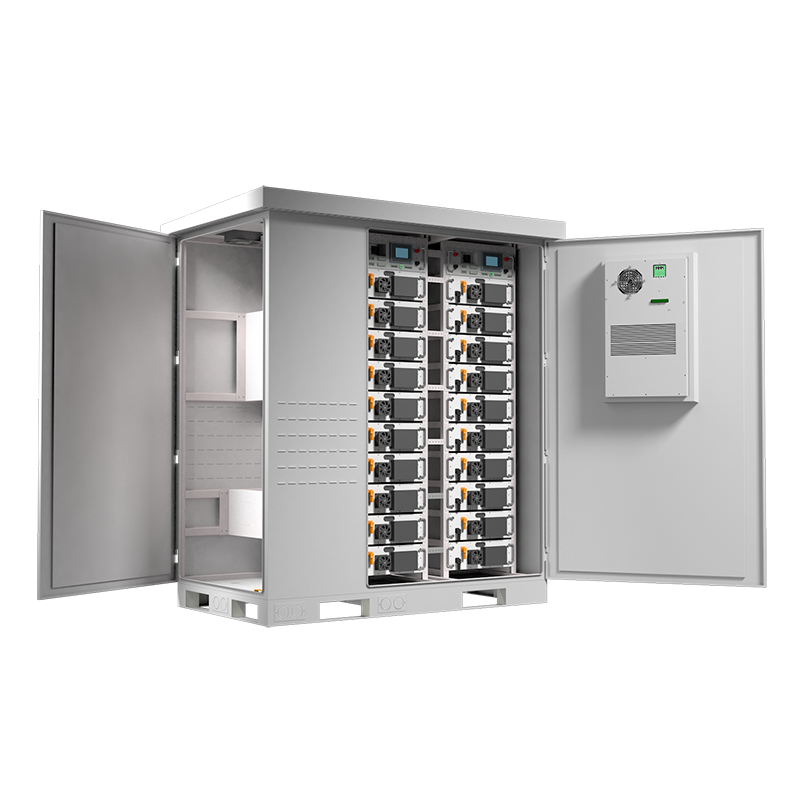
Industrial & commercial energy storage represents a transformative technology that enables businesses to capture, store, and deploy electrical energy when needed most. As energy costs continue to rise and grid reliability becomes increasingly critical, organizations across manufacturing, retail, healthcare, and other sectors are discovering how strategic energy storage implementation can deliver substantial operational and financial benefits. This comprehensive guide explores the multifaceted advantages that industrial & commercial energy storage systems provide to modern businesses seeking energy independence and cost optimization.
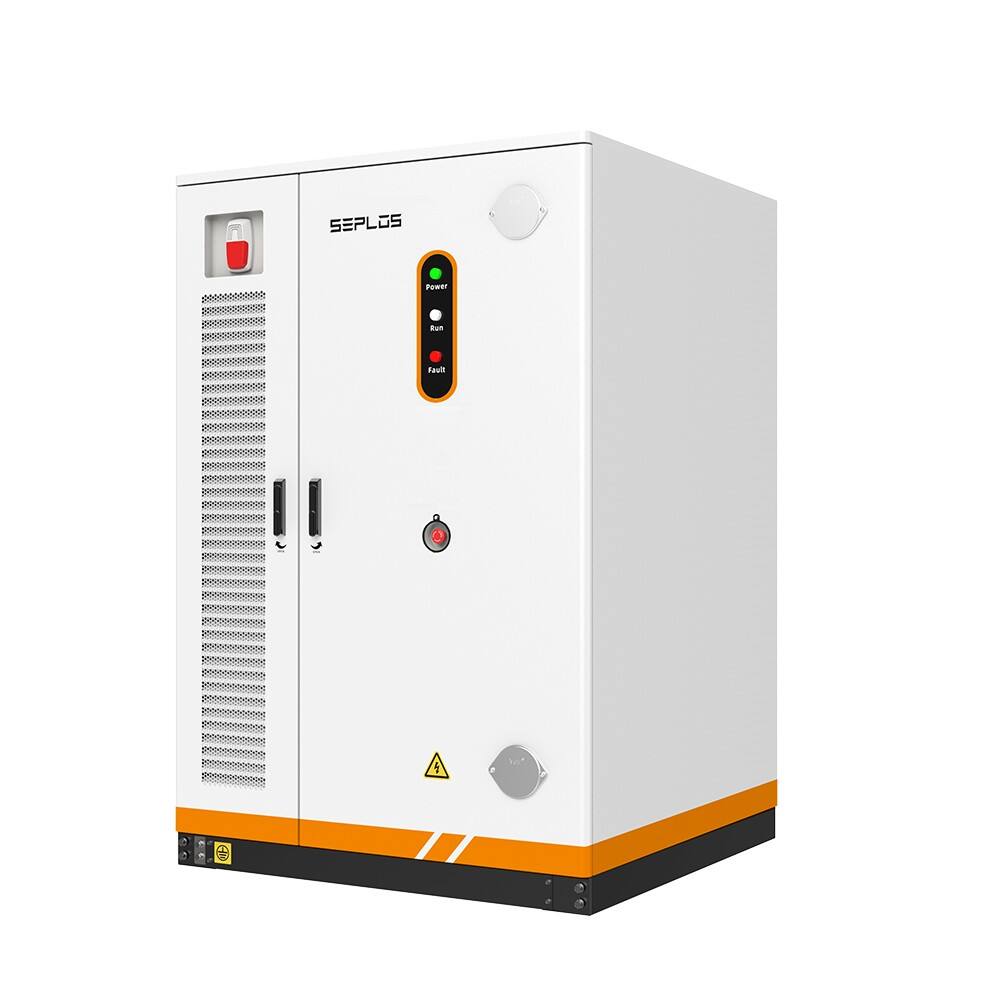
The benefits of industrial & commercial energy storage extend far beyond simple backup power capabilities. These sophisticated systems serve as intelligent energy management platforms that optimize consumption patterns, reduce peak demand charges, provide grid stabilization services, and enhance overall operational resilience. Understanding these diverse benefits helps business leaders make informed decisions about implementing energy storage solutions that align with their specific operational requirements and financial objectives.
Financial Benefits and Cost Reduction Strategies
Peak Demand Charge Mitigation
One of the most immediate financial benefits of industrial & commercial energy storage involves reducing peak demand charges that can represent 30-70% of a business electricity bill. These systems continuously monitor energy consumption patterns and automatically discharge stored energy during peak demand periods, effectively flattening the demand profile seen by utility companies. Manufacturing facilities often experience dramatic cost savings when energy storage systems reduce their peak demand by 20-40%, translating to thousands of dollars in monthly savings depending on facility size and energy usage patterns.
The sophisticated control algorithms in modern industrial & commercial energy storage systems learn from historical consumption data to predict peak demand events with remarkable accuracy. This predictive capability enables proactive discharge strategies that maximize demand charge reductions while maintaining sufficient stored energy for critical operations. Businesses typically see return on investment periods of 3-7 years through demand charge savings alone, making energy storage an increasingly attractive financial proposition for commercial operations.
Time-of-Use Rate Optimization
Energy storage systems excel at capitalizing on time-of-use electricity pricing structures by storing energy during low-cost off-peak hours and discharging during expensive peak periods. This arbitrage capability becomes particularly valuable for businesses operating in regions with significant rate differentials between peak and off-peak pricing. Industrial facilities can achieve 15-25% reductions in electricity costs through strategic charge and discharge cycles that align with utility rate schedules.
Advanced energy management software integrated with industrial & commercial energy storage systems automatically optimizes charging and discharging schedules based on real-time electricity prices and forecasted demand patterns. This automation ensures businesses capture maximum value from rate arbitrage opportunities without requiring constant manual oversight. The resulting cost savings compound over time, providing substantial long-term financial benefits that improve overall business profitability.
Grid Services Revenue Generation
Forward-thinking businesses are discovering additional revenue streams through grid services participation enabled by their industrial & commercial energy storage systems. These services include frequency regulation, spinning reserves, and demand response programs that compensate businesses for providing grid stabilization services. Properly configured systems can generate $50-200 per kilowatt-hour annually through grid services participation, creating new revenue opportunities that enhance project economics.
The dual-purpose nature of these systems allows businesses to capture both internal operational benefits and external grid services revenue simultaneously. This revenue stacking approach maximizes the financial return on energy storage investments while contributing to overall grid stability and reliability. Many utility companies actively seek commercial and industrial partners for grid services programs, creating accessible opportunities for businesses to monetize their energy storage capabilities.
Operational Resilience and Business Continuity
Uninterrupted Power Supply Capabilities
Industrial & commercial energy storage systems provide critical backup power capabilities that ensure business operations continue during grid outages or power quality issues. Unlike traditional diesel generators, these systems offer instantaneous response times and seamless transitions that prevent sensitive equipment from experiencing even momentary power interruptions. This reliability becomes essential for data centers, healthcare facilities, manufacturing plants, and other operations where power interruptions result in significant financial losses or safety concerns.
The scalable nature of modern energy storage systems allows businesses to customize backup power duration based on their specific resilience requirements. Some facilities require only 15-30 minutes of backup power to safely shut down equipment, while others need several hours of autonomous operation during extended outages. Industrial & commercial energy storage systems can be configured to meet any duration requirement, providing tailored resilience solutions that match operational needs and budget constraints.
Power Quality Enhancement
Beyond backup power, industrial & commercial energy storage systems continuously monitor and improve power quality by filtering voltage fluctuations, harmonics, and other electrical disturbances that can damage sensitive equipment or disrupt production processes. This power conditioning capability protects valuable machinery and electronic systems while ensuring consistent product quality in manufacturing environments. The resulting reduction in equipment failures and production interruptions delivers measurable operational benefits.
Manufacturing facilities particularly benefit from the power quality improvements provided by energy storage systems, as voltage sags and harmonics can cause product defects, equipment malfunctions, and costly production line shutdowns. By maintaining stable, clean power delivery, these systems help businesses avoid the hidden costs associated with poor power quality, including increased maintenance requirements, reduced equipment lifespan, and quality control issues.
Load Balancing and Capacity Management
Energy storage systems enable sophisticated load balancing that helps businesses manage capacity constraints and avoid costly infrastructure upgrades. Rather than installing additional transformers or upgrading electrical service to handle peak loads, companies can deploy industrial & commercial energy storage to provide additional capacity during high-demand periods. This approach often costs 50-70% less than traditional electrical infrastructure upgrades while providing additional functionality beyond simple capacity expansion.
The intelligent load management capabilities of these systems also help businesses optimize facility utilization by shifting energy-intensive operations to periods when stored energy can supplement grid power. This flexibility allows companies to maintain high production levels without exceeding electrical service capacity limitations, effectively increasing facility throughput without major infrastructure investments.
Environmental Benefits and Sustainability Impact
Carbon Footprint Reduction
Industrial & commercial energy storage systems significantly contribute to carbon footprint reduction by enabling greater utilization of renewable energy sources and reducing reliance on fossil fuel-based grid electricity during peak periods. When paired with solar photovoltaic systems, energy storage allows businesses to capture and store clean energy for use during evening hours or cloudy periods, maximizing the environmental benefits of renewable energy investments.
The carbon reduction benefits extend beyond direct renewable energy integration, as energy storage systems help businesses avoid purchasing electricity during peak periods when utilities often rely on less efficient, higher-emission power plants. By shifting consumption to off-peak hours through strategic discharge cycles, companies can reduce their indirect carbon emissions while achieving cost savings. This dual environmental and financial benefit aligns with corporate sustainability goals and regulatory compliance requirements.
Grid Decarbonization Support
Businesses deploying industrial & commercial energy storage contribute to broader grid decarbonization efforts by providing flexibility and stability that enables greater renewable energy integration at the utility scale. Energy storage systems help balance supply and demand fluctuations inherent in wind and solar generation, making the overall electrical grid more receptive to clean energy sources. This contribution to grid modernization creates positive environmental impacts that extend far beyond individual facility boundaries.
The aggregated impact of multiple commercial and industrial energy storage deployments creates virtual power plants that utilities can dispatch to provide grid services without relying on fossil fuel-based peaking power plants. This collective environmental benefit demonstrates how individual business decisions to implement industrial & commercial energy storage can contribute to systemic improvements in grid sustainability and environmental performance.
Resource Efficiency Optimization
Energy storage systems promote resource efficiency by enabling more intelligent energy consumption patterns that reduce overall energy waste and improve system utilization rates. The real-time monitoring and control capabilities inherent in these systems provide detailed insights into energy usage patterns that help businesses identify and eliminate inefficiencies throughout their operations. This enhanced visibility often reveals optimization opportunities that deliver additional cost savings beyond the direct benefits of energy storage.
The data analytics capabilities of modern industrial & commercial energy storage systems support comprehensive energy management strategies that integrate lighting, HVAC, and production equipment optimization. This holistic approach to energy efficiency maximizes the environmental and financial benefits of energy storage investments while supporting broader sustainability initiatives and regulatory compliance requirements.
Strategic Advantages and Competitive Positioning
Energy Independence and Price Stability
Industrial & commercial energy storage provides businesses with greater energy independence and protection against electricity price volatility that can significantly impact operational costs and financial planning accuracy. By storing energy during low-cost periods and reducing peak demand exposure, companies gain more predictable energy expenses that facilitate better budget forecasting and financial management. This price stability becomes increasingly valuable as electricity markets experience greater volatility due to changing fuel costs and grid infrastructure challenges.
The strategic value of energy independence extends beyond cost considerations to include supply security and operational autonomy. Businesses with robust energy storage capabilities can maintain operations during grid disturbances or supply interruptions that affect competitors without similar infrastructure. This operational resilience translates to competitive advantages in terms of customer service reliability, production continuity, and overall business reputation.
Technology Leadership and Innovation Positioning
Companies implementing advanced industrial & commercial energy storage systems position themselves as technology leaders and innovation pioneers within their respective industries. This forward-thinking approach to energy management demonstrates organizational agility and environmental responsibility that appeals to environmentally conscious customers, investors, and employees. The technology leadership aspect of energy storage deployment can enhance brand reputation and support marketing initiatives focused on sustainability and innovation.
The operational experience gained through energy storage implementation provides valuable insights and capabilities that support future technology adoption and optimization initiatives. Businesses that master energy storage technology often find themselves better positioned to integrate other advanced technologies such as electric vehicle fleets, smart building systems, and industrial automation solutions that require sophisticated energy management capabilities.
Regulatory Compliance and Future-Proofing
As environmental regulations become more stringent and carbon pricing mechanisms expand, industrial & commercial energy storage systems help businesses prepare for future compliance requirements while potentially qualifying for existing incentives and tax benefits. The emissions reduction and grid services capabilities of these systems align with regulatory trends toward decarbonization and grid modernization, providing long-term value protection for businesses making strategic infrastructure investments.
The modular and upgradeable nature of modern energy storage technologies ensures that initial investments can evolve to meet changing regulatory requirements and technological capabilities. This future-proofing aspect protects businesses against obsolescence risks while providing flexibility to adapt energy storage systems as operational needs and regulatory landscapes continue to evolve.
FAQ
What is the typical payback period for industrial & commercial energy storage systems?
Most industrial & commercial energy storage systems achieve payback periods of 4-8 years through combined benefits including peak demand reduction, time-of-use arbitrage, and grid services revenue. Facilities with high peak demand charges or significant renewable energy integration often see faster payback periods of 3-5 years, while the specific timeline depends on local electricity rates, usage patterns, and available incentive programs.
How do industrial & commercial energy storage systems integrate with existing electrical infrastructure?
Modern industrial & commercial energy storage systems are designed for seamless integration with existing electrical infrastructure through standardized connection protocols and intelligent inverter technology. Professional installation typically requires minimal electrical modifications, and the systems can be configured to work with existing building management systems, solar installations, and backup generator equipment without disrupting ongoing operations.
What maintenance requirements are associated with commercial energy storage systems?
Industrial & commercial energy storage systems require minimal maintenance compared to traditional backup power solutions, with most lithium-ion based systems needing only quarterly inspections and annual performance assessments. The solid-state nature of battery technology eliminates many maintenance requirements associated with diesel generators, while integrated monitoring systems provide real-time performance data that enables predictive maintenance and optimal system operation.
Can businesses participate in multiple grid services programs with their energy storage systems?
Yes, properly configured industrial & commercial energy storage systems can participate in multiple grid services programs simultaneously, including frequency regulation, demand response, and capacity markets. This revenue stacking approach maximizes the financial return on energy storage investments while providing valuable grid stabilization services. However, participation requirements vary by utility and regional grid operator, so businesses should work with experienced energy storage providers to optimize program participation strategies.
Table of Contents
- Financial Benefits and Cost Reduction Strategies
- Operational Resilience and Business Continuity
- Environmental Benefits and Sustainability Impact
- Strategic Advantages and Competitive Positioning
-
FAQ
- What is the typical payback period for industrial & commercial energy storage systems?
- How do industrial & commercial energy storage systems integrate with existing electrical infrastructure?
- What maintenance requirements are associated with commercial energy storage systems?
- Can businesses participate in multiple grid services programs with their energy storage systems?
