
 EN
EN


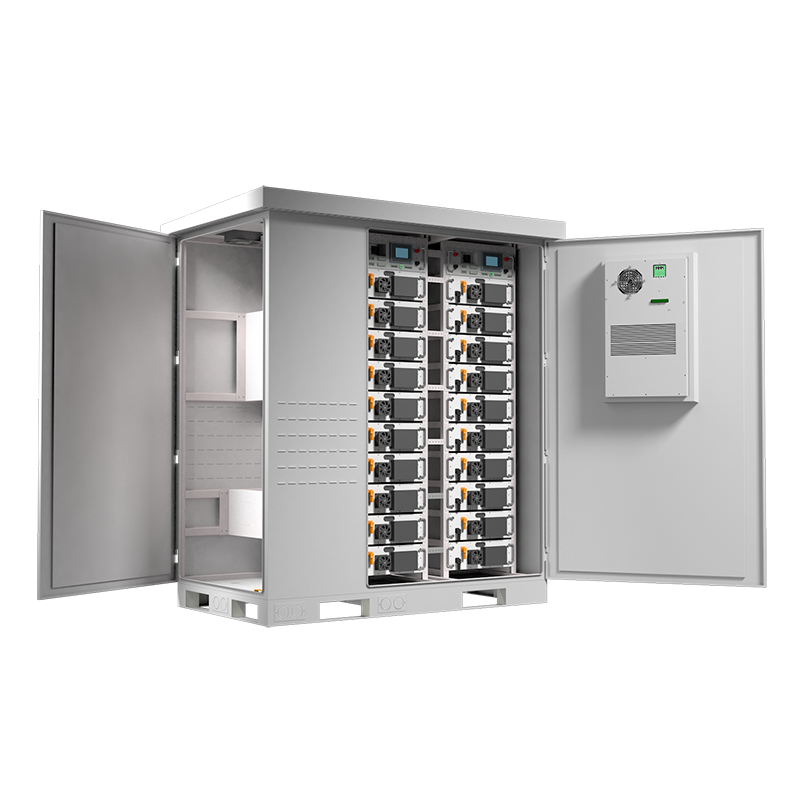
Selecting the right industrial & commercial energy storage solution requires careful evaluation of multiple technical and business factors. The decision-making process involves analyzing your facility's energy consumption patterns, operational requirements, and long-term sustainability goals. Understanding these fundamental considerations will help you navigate the complex landscape of energy storage technologies and identify systems that deliver optimal performance for your specific applications.
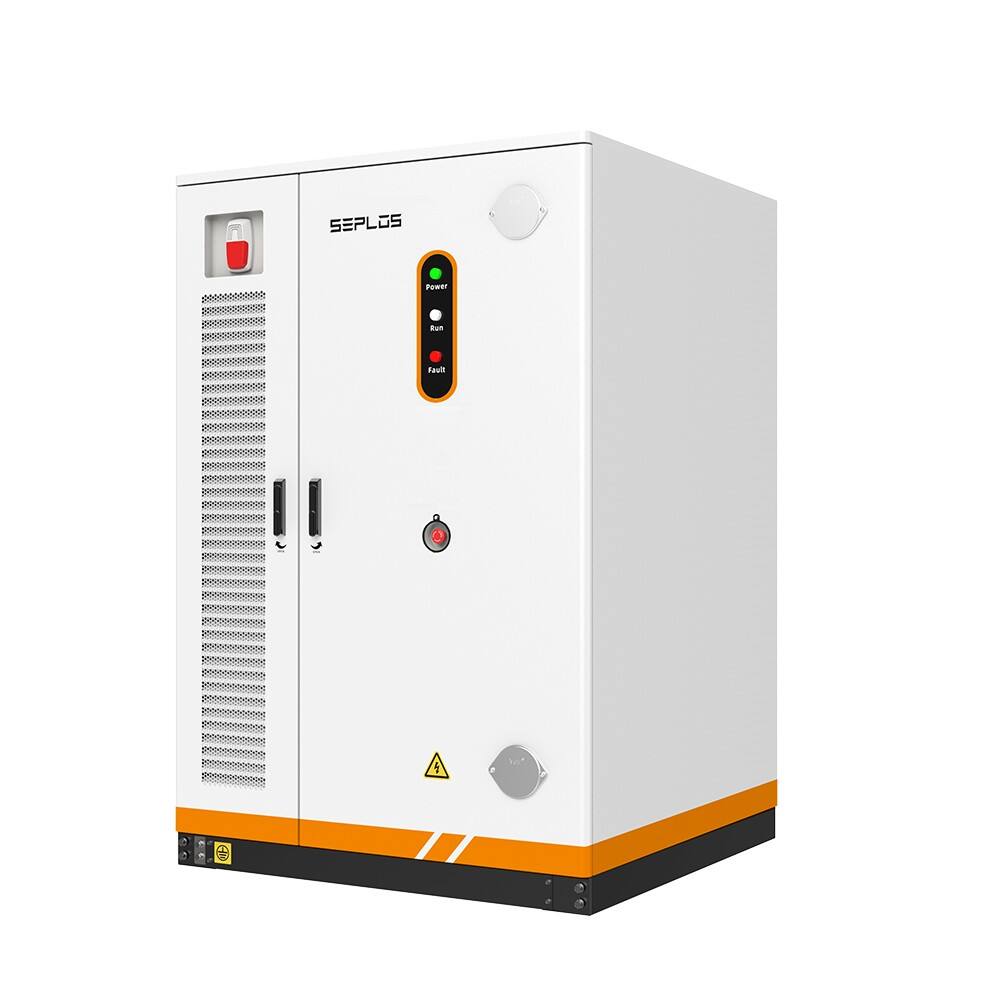
Modern industrial & commercial energy storage systems serve multiple critical functions including peak shaving, demand charge reduction, backup power, and renewable energy integration. The selection process becomes more complex as businesses face increasing energy costs, grid reliability challenges, and sustainability mandates. A systematic approach to evaluating available options ensures that your investment aligns with both immediate operational needs and future expansion requirements.
Assessing Your Energy Requirements
Load Profile Analysis
The foundation of choosing appropriate industrial & commercial energy storage begins with comprehensive load profile analysis. This process involves examining your facility's energy consumption patterns across different time periods, identifying peak demand periods, and understanding seasonal variations. Accurate load profiling reveals opportunities for energy cost savings through strategic storage deployment and helps determine the optimal system capacity required for your operations.
Peak demand charges often represent a significant portion of industrial electricity bills, making demand management a primary driver for energy storage investments. By analyzing historical consumption data, you can identify recurring patterns that indicate when energy storage systems would provide maximum financial benefit. This analysis should extend beyond simple peak identification to include understanding the duration and frequency of high-demand periods.
Backup Power Requirements
Critical operations require reliable backup power capabilities that industrial & commercial energy storage systems can provide. Determining your backup power requirements involves identifying essential loads that must remain operational during grid outages and calculating the minimum runtime needed to maintain business continuity. Different industries have varying tolerance levels for power interruptions, influencing both system sizing and configuration decisions.
Manufacturing facilities often require seamless transitions during power interruptions to protect sensitive equipment and maintain production schedules. Data centers and healthcare facilities have even stricter requirements for uninterrupted power supply. Understanding your specific backup power needs helps establish minimum energy capacity and power output requirements that guide technology selection and system design decisions.
Technology Evaluation Criteria
Battery Chemistry Considerations
Different battery chemistries offer distinct advantages for industrial & commercial energy storage applications. Lithium-ion technologies, including lithium iron phosphate (LFP) and lithium nickel manganese cobalt (NMC), provide high energy density, fast response times, and long cycle life characteristics suitable for demanding commercial applications. Each chemistry type presents unique performance characteristics that affect system efficiency, operational lifespan, and total cost of ownership.
Safety considerations play a crucial role in battery chemistry selection for industrial environments. Lithium iron phosphate batteries offer enhanced thermal stability and reduced fire risk compared to other lithium-ion chemistries. Understanding the safety profiles of different technologies helps ensure compliance with facility safety requirements and insurance considerations while minimizing operational risks associated with energy storage deployment.
Power and Energy Specifications
Industrial & commercial energy storage systems require careful matching of power and energy specifications to application requirements. Power rating determines how quickly energy can be delivered or absorbed, while energy capacity defines how long the system can operate at specified power levels. The ratio between power and energy ratings varies significantly based on intended applications, from high-power, short-duration services to sustained backup power scenarios.
System scalability becomes important for facilities with growing energy needs or evolving operational requirements. Modular system designs allow for capacity expansion without complete system replacement, providing flexibility for future growth. Evaluating both current requirements and anticipated future needs ensures that selected systems can adapt to changing business conditions while maintaining optimal performance characteristics.
System Integration and Infrastructure
Grid Connection Requirements
Proper grid connection design ensures safe and efficient operation of industrial & commercial energy storage systems. Interconnection requirements vary based on system size, local utility regulations, and intended operating modes. Understanding these requirements early in the selection process helps avoid costly modifications and ensures compliance with electrical codes and utility interconnection standards.
Advanced power conversion systems enable sophisticated grid interaction capabilities including frequency regulation, voltage support, and reactive power compensation. These features can provide additional revenue streams through participation in grid services markets while enhancing overall system value. Evaluating available grid service opportunities helps optimize system specifications and maximize return on investment for industrial & commercial energy storage deployments.
Physical Installation Considerations
Space constraints and environmental conditions significantly influence technology selection for industrial & commercial energy storage installations. Indoor installations require climate-controlled environments and adequate ventilation for optimal battery performance and safety. Outdoor installations need weatherproof enclosures and thermal management systems capable of handling extreme temperature variations while maintaining system efficiency.
Foundation and structural requirements vary based on system weight and seismic considerations. Large-scale installations may require specialized foundations and earthquake-resistant mounting systems to ensure long-term structural integrity. Understanding these physical requirements early in the planning process helps avoid unexpected installation costs and ensures proper system placement within facility constraints.
Economic Analysis and Financial Planning
Total Cost of Ownership
Comprehensive total cost of ownership analysis for industrial & commercial energy storage extends beyond initial capital costs to include ongoing operational expenses, maintenance requirements, and end-of-life considerations. This analysis should account for energy savings, demand charge reductions, and potential revenue from grid services to accurately assess financial performance over the system's operational lifetime.
Maintenance costs vary significantly between different energy storage technologies and system designs. Battery replacement schedules, inverter maintenance requirements, and monitoring system updates all contribute to ongoing operational expenses. Understanding these long-term costs helps establish realistic financial projections and supports informed decision-making regarding technology selection and system configuration options.
Financing Options and Incentives
Multiple financing mechanisms can reduce the upfront capital requirements for industrial & commercial energy storage projects. Power purchase agreements, energy storage as a service models, and equipment leasing options provide alternatives to traditional ownership models. These financing approaches can accelerate project deployment while preserving capital for other business investments.
Federal and state incentive programs often provide significant financial support for energy storage installations. Investment tax credits, accelerated depreciation schedules, and utility rebate programs can substantially improve project economics. Staying current with available incentive programs and their eligibility requirements helps maximize financial benefits and optimize project timing for industrial & commercial energy storage investments.
Vendor Selection and Project Management
Supplier Evaluation Process
Selecting qualified suppliers for industrial & commercial energy storage projects requires thorough evaluation of technical capabilities, project experience, and long-term support commitments. Established suppliers with proven track records in similar applications reduce project risks and ensure access to ongoing technical support throughout the system's operational life. Comprehensive supplier evaluation should include reference checks, financial stability assessment, and review of warranty terms.
Technical support capabilities become particularly important for complex industrial installations requiring specialized expertise. Suppliers should demonstrate competency in system design, installation supervision, commissioning procedures, and ongoing maintenance services. Local service availability and response time commitments affect system reliability and long-term operational success for industrial & commercial energy storage deployments.
Project Timeline and Implementation
Realistic project timelines account for permitting requirements, equipment procurement, installation complexity, and commissioning procedures. Permitting processes can vary significantly based on local regulations and system characteristics, potentially extending project schedules beyond initial estimates. Early engagement with permitting authorities and utility interconnection processes helps identify potential delays and optimize project scheduling.
Phased implementation approaches can reduce project risks while providing early operational benefits for large-scale industrial & commercial energy storage installations. Initial phases allow for system optimization and performance validation before completing full-scale deployment. This approach provides opportunities to refine operational procedures and address any technical issues before expanding system capacity to full design specifications.
FAQ
What factors determine the optimal size for an industrial energy storage system?
The optimal size depends on your facility's peak demand patterns, backup power requirements, and energy cost reduction goals. Analyze your historical electricity bills to identify peak demand charges and determine how much capacity would provide meaningful cost savings. Consider both power rating for peak shaving and energy capacity for extended backup operations based on your specific operational requirements.
How long do industrial energy storage systems typically last?
Modern lithium-ion based industrial & commercial energy storage systems typically provide 10-15 years of operational life with proper maintenance. Battery cycle life ratings usually range from 6,000 to 10,000 cycles depending on chemistry and operating conditions. System inverters and power electronics may require replacement or major maintenance after 15-20 years, while the overall system infrastructure can last 25-30 years.
What are the main safety considerations for industrial energy storage installations?
Key safety considerations include fire suppression systems, thermal runaway protection, proper ventilation, and emergency shutdown procedures. Battery chemistry selection affects fire risk levels, with lithium iron phosphate offering enhanced safety characteristics. Installation should comply with NFPA 855 standards and local fire codes, including proper spacing, detection systems, and emergency access for first responders.
Can industrial energy storage systems participate in utility demand response programs?
Yes, most modern industrial & commercial energy storage systems can participate in utility demand response and grid services programs. These programs provide additional revenue opportunities by allowing utilities to access stored energy during peak demand periods or grid emergencies. Advanced control systems enable automated participation while maintaining facility operational requirements and backup power capabilities.
Table of Contents
- Assessing Your Energy Requirements
- Technology Evaluation Criteria
- System Integration and Infrastructure
- Economic Analysis and Financial Planning
- Vendor Selection and Project Management
-
FAQ
- What factors determine the optimal size for an industrial energy storage system?
- How long do industrial energy storage systems typically last?
- What are the main safety considerations for industrial energy storage installations?
- Can industrial energy storage systems participate in utility demand response programs?
