
 EN
EN


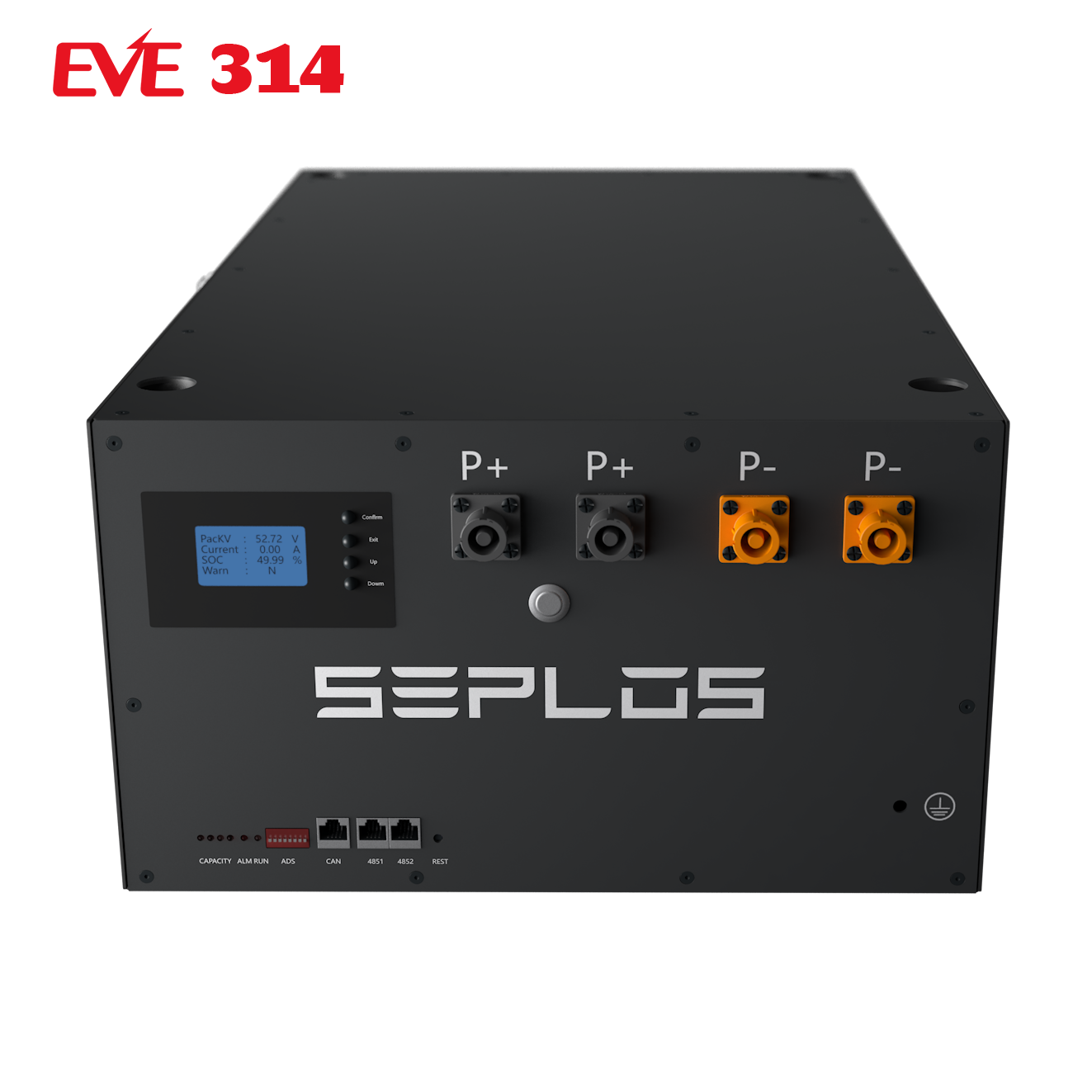
Building a 48v diy battery box represents one of the most crucial components in solar energy systems, backup power setups, and off-grid applications. While the concept of assembling your own battery box might seem straightforward, the reality involves numerous technical considerations and potential pitfalls that can lead to safety hazards, reduced performance, or complete system failure. Understanding these common mistakes before beginning your project can save significant time, money, and potentially prevent dangerous situations that arise from improper construction techniques.
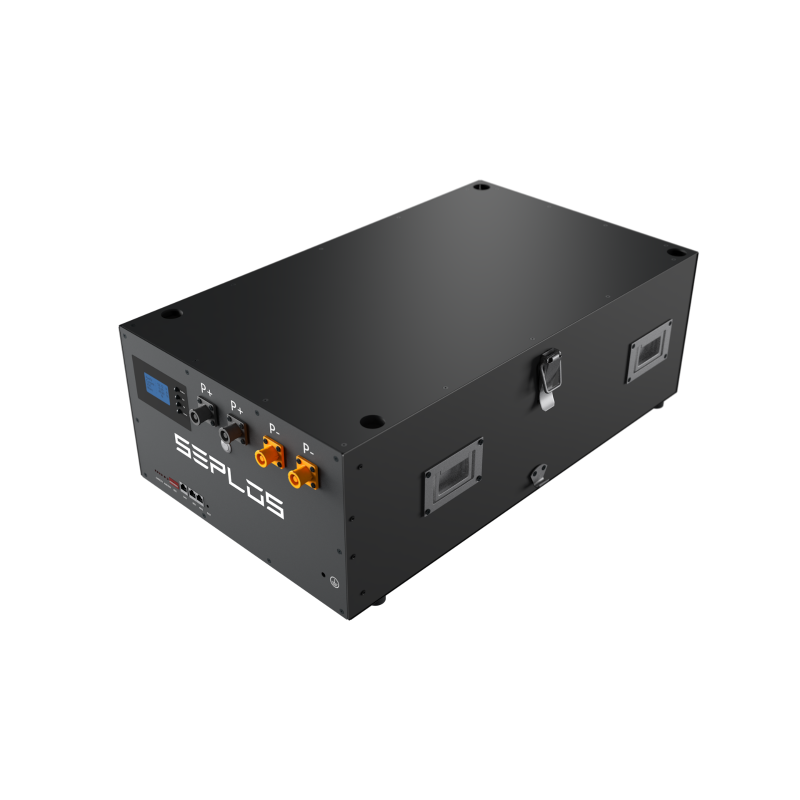
The complexity of constructing a reliable 48v diy battery box extends beyond simply connecting batteries together in an enclosure. Professional-grade battery systems require careful attention to thermal management, proper electrical connections, safety systems, and regulatory compliance. Many DIY enthusiasts underestimate these requirements, leading to systems that may work initially but fail over time or create safety risks. This comprehensive guide examines the most frequent errors encountered during 48v diy battery box construction and provides practical strategies to avoid these costly mistakes while building a system that delivers reliable, safe performance for years to come.
Critical Safety and Design Errors
Inadequate Enclosure Selection and Sizing
One of the most fundamental mistakes in 48v diy battery box construction involves choosing an inappropriate enclosure or inadequately sizing the housing for the battery configuration. Many builders select enclosures based solely on external dimensions without considering internal space requirements for proper battery spacing, ventilation systems, and safety equipment. The enclosure must accommodate not only the batteries themselves but also battery management systems, fusing, disconnect switches, and adequate clearance for thermal expansion and air circulation.
Proper enclosure selection requires understanding the specific requirements of the battery chemistry being used, environmental conditions where the system will operate, and applicable electrical codes. LiFePO4 batteries, commonly used in 48v diy battery box applications, require different spacing and ventilation considerations compared to lead-acid alternatives. The enclosure material must also provide appropriate fire resistance ratings and protection against environmental factors such as moisture, dust, and temperature fluctuations.
Temperature management represents another critical aspect often overlooked during enclosure selection. Inadequate thermal planning can result in batteries operating outside their optimal temperature range, leading to reduced capacity, shortened lifespan, or thermal runaway conditions. The enclosure must facilitate proper heat dissipation while protecting against external temperature extremes that could compromise battery performance or safety.
Improper Electrical Connection Practices
Electrical connection errors represent some of the most dangerous mistakes encountered in 48v diy battery box construction. These errors can create fire hazards, cause system failures, and result in dangerous voltage conditions that pose risks to both equipment and personnel. Common connection mistakes include using undersized conductors, improper torque specifications, mixing different wire types, and failing to implement proper strain relief mechanisms.
Wire gauge selection must account for the maximum current capacity of the system, voltage drop calculations, and temperature derating factors. Many DIY builders underestimate current requirements or fail to consider inrush currents that can exceed steady-state values by significant margins. Using conductors that are too small can result in excessive voltage drop, heating, and potential fire hazards. Additionally, all connections must be properly torqued according to manufacturer specifications to ensure reliable contact resistance and prevent loosening over time.
Terminal connection techniques also require careful attention to detail. Different battery types may require specific terminal configurations, and mixing incompatible connection methods can lead to corrosion, high resistance connections, and eventual failure. Proper use of terminal protectors, anti-corrosion compounds, and appropriate hardware ensures long-term reliability and safety in the completed 48v diy battery box system.
Battery Management and Configuration Problems
Inadequate Battery Management System Integration
A sophisticated battery management system represents an essential component of any professional 48v diy battery box, yet many builders either omit this critical element or implement inadequate solutions that fail to provide necessary protection and monitoring capabilities. The BMS must monitor individual cell voltages, temperatures, and current flow while providing protection against overcharge, over-discharge, overcurrent, and thermal events. Failing to implement proper BMS functionality can result in premature battery failure, safety hazards, and voided manufacturer warranties.
Proper BMS selection requires understanding the specific requirements of the battery chemistry, system voltage, maximum current capacity, and communication protocols needed for integration with other system components. The BMS must be capable of balancing individual cells to prevent capacity drift over time and provide early warning of potential problems before they become critical. Additionally, the system should include provisions for remote monitoring and data logging to facilitate maintenance and troubleshooting activities.
Integration between the BMS and other system components requires careful planning and implementation. The BMS must communicate effectively with charge controllers, inverters, and monitoring systems to ensure coordinated operation and protection. Improper integration can result in conflicting control signals, inadequate protection, or complete system shutdown during normal operating conditions.
Incorrect Battery Balancing and Parallel Configuration
Battery balancing and parallel configuration errors represent another common category of mistakes that can significantly impact the performance and longevity of a 48v diy battery box. When connecting multiple batteries in parallel to increase capacity, each battery must have similar characteristics including state of charge, internal resistance, and capacity. Connecting batteries with significant differences in these parameters can result in circulating currents, uneven charging, and premature failure of individual batteries.
Proper parallel connection requires more than simply connecting positive terminals together and negative terminals together. Each battery should have individual fusing or circuit protection to prevent fault currents from flowing between batteries in the event of a failure. The connection method should also minimize resistance differences between batteries to ensure even current distribution during charging and discharging operations.
Series connections within the 48v diy battery box configuration require equally careful attention to ensure voltage balancing and protection. Each series string must be properly fused and monitored to prevent cascade failures that could damage the entire battery bank. The physical arrangement of batteries should facilitate easy maintenance access while maintaining proper electrical isolation and safety clearances.
Thermal Management and Ventilation Deficiencies
Insufficient Heat Dissipation Planning
Thermal management failures represent a significant category of design errors that can compromise both the performance and safety of a 48v diy battery box system. Many builders focus primarily on electrical design while neglecting the thermal aspects of battery operation, leading to systems that may perform adequately under light loads but fail when subjected to high current demands or elevated ambient temperatures. Proper thermal design must consider heat generation from both the batteries themselves and associated electronics such as the BMS and monitoring systems.
Heat generation in battery systems occurs during both charging and discharging operations, with the amount of heat directly related to the current level and internal resistance of the batteries. High current applications such as motor starting or rapid charging can generate substantial heat that must be dissipated to prevent thermal damage. The enclosure design must provide adequate heat transfer paths and may require active cooling systems for high-power applications.
Temperature monitoring throughout the 48v diy battery box becomes critical for both performance optimization and safety protection. Multiple temperature sensors should be distributed throughout the battery bank to detect hot spots and provide early warning of thermal problems. The monitoring system should include both local alarms and remote notification capabilities to ensure prompt response to thermal events that could threaten system safety.
Inadequate Ventilation System Design
Ventilation system design represents another frequently overlooked aspect of 48v diy battery box construction that can have serious implications for both safety and performance. Even sealed battery technologies can benefit from proper ventilation to maintain optimal operating temperatures and remove any gases that might be generated during fault conditions. The ventilation system must be designed to provide adequate air flow without creating pathways for moisture or contaminants to enter the enclosure.
Natural convection ventilation may be adequate for low-power applications, but high-current systems typically require forced air circulation to maintain acceptable temperatures. The ventilation design must consider air flow patterns to ensure even cooling throughout the battery bank and prevent the formation of hot spots that could lead to premature failure. Intake and exhaust locations should be positioned to maximize air flow efficiency while maintaining proper electrical clearances and safety requirements.
Air filtration represents an important consideration in ventilation system design, particularly for systems installed in dusty or contaminated environments. Accumulated dust and debris can insulate battery surfaces and reduce heat transfer effectiveness, while conductive contaminants can create short circuit paths and safety hazards. The filtration system must balance air flow requirements with contamination protection to ensure long-term system reliability.
Electrical Protection and Safety System Oversights
Inadequate Overcurrent Protection Implementation
Overcurrent protection represents one of the most critical safety systems in any 48v diy battery box, yet many DIY implementations fail to provide adequate protection due to improper fuse selection, incorrect installation practices, or insufficient understanding of protection coordination requirements. The protection system must be capable of safely interrupting fault currents while providing selective coordination to minimize system downtime during minor fault conditions.
Fuse selection requires careful analysis of the maximum available fault current, which can be substantial in high-capacity battery systems. Standard automotive fuses may not provide adequate interrupting capacity for large battery banks, necessitating the use of high-capacity fuses or circuit breakers designed for DC applications. The protection device must be rated for the system voltage and capable of safely interrupting the maximum possible fault current.
Installation practices for overcurrent protection devices require attention to proper mounting, accessibility for maintenance, and coordination with other system components. Fuses should be installed as close as practically possible to the battery terminals to minimize unprotected conductor length. The installation should also provide for safe fuse replacement procedures and clear labeling to facilitate maintenance activities.
Missing or Inadequate Emergency Shutdown Systems
Emergency shutdown capability represents an essential safety feature that is frequently omitted or inadequately implemented in 48v diy battery box designs. The system must provide a means to quickly and safely disconnect the battery bank from all connected loads and charging sources in the event of an emergency or maintenance requirement. This typically requires high-capacity disconnect switches or contactors that can safely interrupt the full system current under both normal and fault conditions.
Manual disconnect switches should be readily accessible from outside the battery enclosure and clearly marked for emergency use. The switch must be rated for the full system voltage and current capacity while providing positive indication of the contact position. Additionally, the switch should be designed to fail in the open position to ensure safety during mechanical failures or maintenance activities.
Remote shutdown capabilities become increasingly important in larger 48v diy battery box installations where manual access may be limited or dangerous during emergency conditions. The remote shutdown system should integrate with fire suppression systems, building management systems, and other safety infrastructure to ensure coordinated emergency response. Backup power for the shutdown system itself may be necessary to ensure functionality during power outages or system failures.
FAQ
What is the most critical safety consideration when building a 48v diy battery box?
The most critical safety consideration involves implementing proper overcurrent protection and emergency shutdown systems. These systems must be capable of safely interrupting maximum fault currents and providing quick disconnection during emergencies. Additionally, proper enclosure selection with adequate fire resistance ratings and thermal management prevents dangerous conditions that could lead to thermal runaway or fire hazards.
How do I determine the correct wire gauge for my 48v diy battery box connections?
Wire gauge selection requires calculating the maximum current capacity needed, including inrush currents that may exceed steady-state values. You must also account for voltage drop limitations, typically keeping total voltage drop below 3% of system voltage, and apply temperature derating factors based on installation conditions. Use manufacturer current tables and voltage drop calculators to ensure proper sizing for safety and performance.
What type of battery management system do I need for a 48v diy battery box?
A proper BMS for a 48v diy battery box must monitor individual cell voltages and temperatures while providing protection against overcharge, over-discharge, overcurrent, and thermal events. The system should include cell balancing capabilities, communication protocols for integration with other components, and remote monitoring capabilities. Select a BMS rated for your specific battery chemistry, system current capacity, and required protection features.
How much ventilation does a 48v diy battery box require?
Ventilation requirements depend on the battery chemistry, current levels, and ambient temperature conditions. Even sealed batteries benefit from ventilation to maintain optimal temperatures and remove gases during fault conditions. High-current applications typically require forced air circulation with intake and exhaust positioned for maximum cooling efficiency. Calculate heat generation based on current levels and battery resistance to determine specific ventilation requirements for your application.
