
 EN
EN


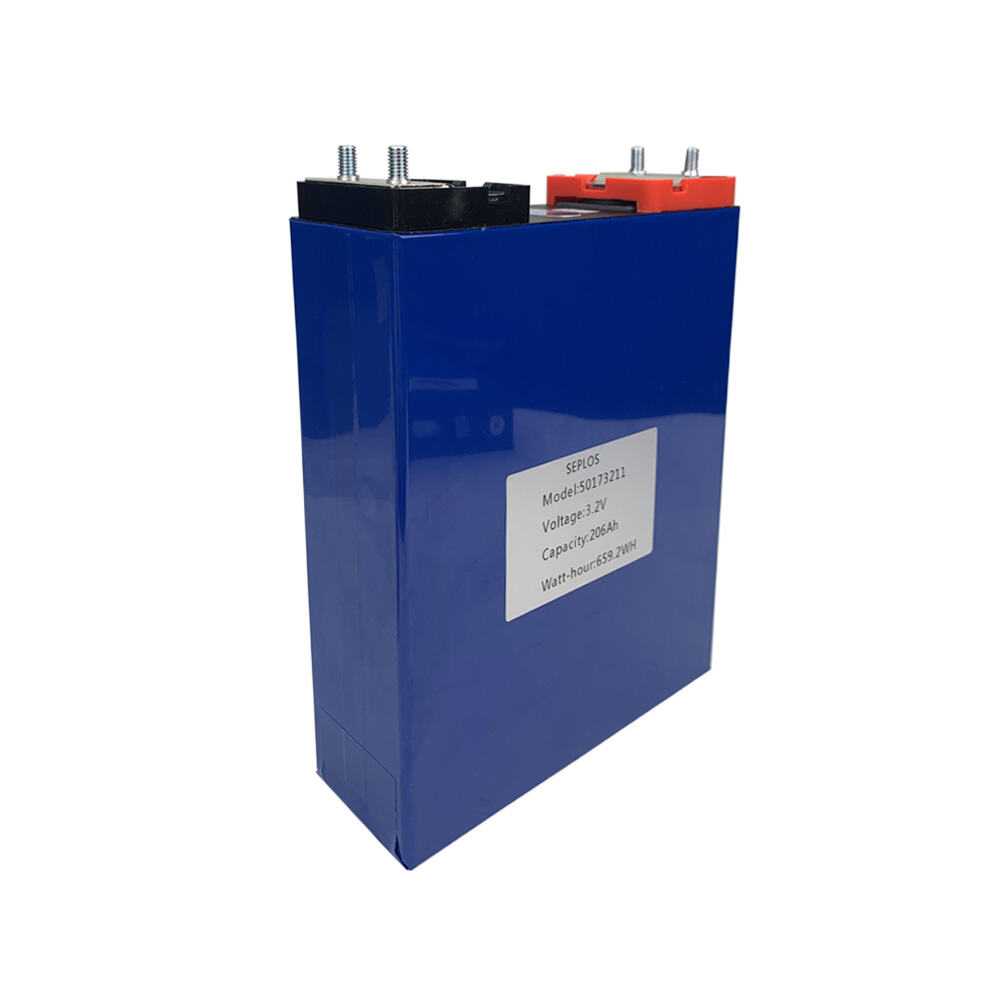
The lithium iron phosphate battery has emerged as a transformative energy storage solution that addresses critical challenges in renewable energy systems, electric vehicles, and industrial applications. As we advance into 2025, understanding the specific advantages of lithium iron phosphate battery technology becomes essential for making informed decisions about power storage investments. This comprehensive guide examines the distinct benefits that set lithium iron phosphate batteries apart from traditional battery chemistries and explains why they represent the future of safe, efficient energy storage.
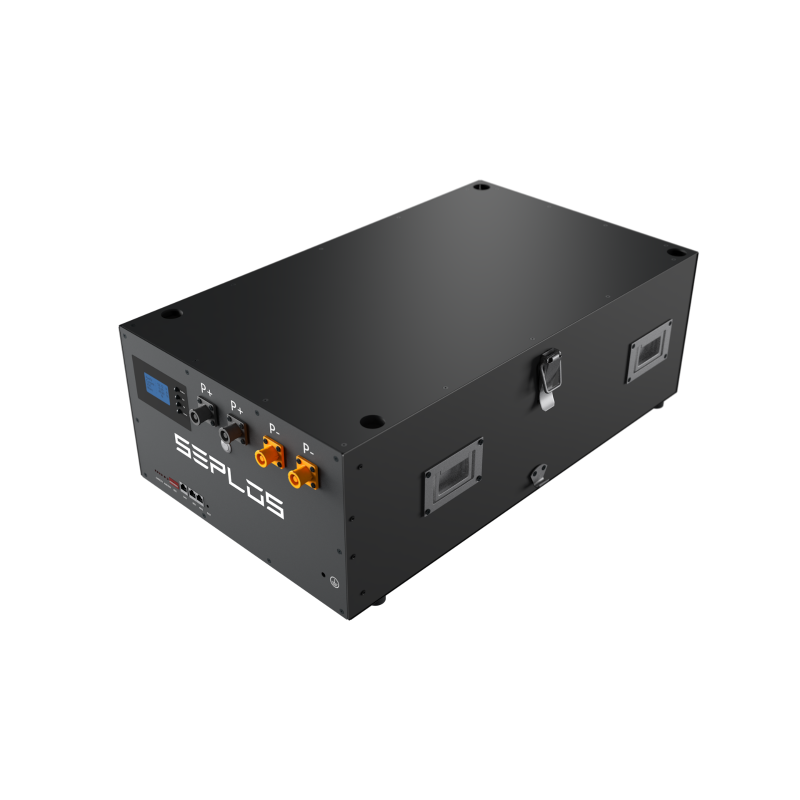
The growing adoption of lithium iron phosphate battery systems reflects their proven ability to deliver superior safety characteristics, exceptional longevity, and consistent performance across diverse operating conditions. These batteries utilize iron phosphate as the cathode material, creating a stable chemical structure that eliminates many of the risks associated with conventional lithium-ion technologies. For businesses and homeowners seeking reliable energy storage solutions, the benefits of lithium iron phosphate battery technology extend far beyond basic power delivery to encompass operational efficiency, environmental responsibility, and long-term cost effectiveness.
Safety Advantages and Thermal Stability
Inherent Chemical Stability
The lithium iron phosphate battery offers exceptional safety benefits through its inherently stable chemical composition. Unlike other lithium-ion battery types that may experience thermal runaway at elevated temperatures, the iron phosphate cathode material maintains structural integrity even under extreme conditions. This stability stems from the strong covalent bonds between iron, phosphorus, and oxygen atoms in the cathode structure, which resist decomposition and prevent the release of oxygen that could fuel combustion.
The thermal stability of a lithium iron phosphate battery extends to temperatures exceeding 350°C, providing a substantial safety margin during normal operation and emergency conditions. This characteristic eliminates the risk of explosive failure that can occur with cobalt-based lithium-ion batteries, making these systems suitable for installation in residential, commercial, and industrial environments where safety is paramount. The stable chemistry also reduces the need for complex thermal management systems, simplifying installation and reducing overall system costs.
Fire Resistance and Containment
Fire resistance represents one of the most significant advantages of lithium iron phosphate battery technology. When subjected to physical damage, overcharging, or extreme temperatures, these batteries do not emit flammable gases or toxic fumes that pose health risks to nearby personnel. The absence of cobalt and nickel in the cathode material eliminates the potential for rapid oxidation reactions that can propagate throughout battery packs and cause catastrophic failures.
The non-toxic nature of lithium iron phosphate battery materials provides additional safety benefits in enclosed spaces and residential applications. Even in the unlikely event of cell damage or electrolyte leakage, the components do not release harmful vapors that require specialized ventilation systems or emergency response protocols. This safety profile makes lithium iron phosphate batteries ideal for backup power systems, solar energy storage, and applications where human safety cannot be compromised.
Exceptional Cycle Life and Durability
Extended Operational Lifespan
The extended cycle life of lithium iron phosphate battery systems provides substantial economic advantages through reduced replacement costs and improved return on investment. These batteries typically deliver 3000 to 5000+ charge-discharge cycles while maintaining 80% of their original capacity, significantly outperforming lead-acid batteries that may only achieve 300-500 cycles under similar conditions. This longevity stems from the stable crystal structure of the iron phosphate cathode, which resists degradation during repeated charging and discharging processes.
The exceptional durability of a lithium iron phosphate battery translates to operational lifespans exceeding 10 years in most applications, with some systems maintaining effective performance for 15-20 years when properly maintained. This longevity reduces the total cost of ownership and minimizes the environmental impact associated with frequent battery replacement. For commercial and industrial users, the extended service life provides predictable operating costs and reduces downtime associated with battery maintenance and replacement activities.
Depth of Discharge Capabilities
Lithium iron phosphate battery technology allows for deep discharge cycles without compromising cell integrity or reducing overall lifespan. Unlike lead-acid batteries that suffer permanent damage when discharged below 50% of capacity, these batteries can safely operate at discharge levels up to 95% or even 100% of their rated capacity. This capability effectively doubles the usable energy storage compared to traditional battery technologies of equivalent nominal capacity.
The ability to utilize nearly the entire capacity of a lithium iron phosphate battery provides significant advantages in solar energy systems, backup power applications, and off-grid installations where maximizing energy utilization is critical. Users can extract more value from their battery investment while maintaining confidence that deep discharge cycles will not compromise long-term performance or require premature replacement of the energy storage system.
Superior Performance Characteristics
High Power Density and Efficiency
The high power density of lithium iron phosphate battery systems enables rapid charging and high-current discharge applications that would overwhelm traditional battery technologies. These batteries can accept charge rates up to 1C or higher, allowing for complete recharging in approximately one hour under optimal conditions. This rapid charging capability proves essential in applications where downtime must be minimized and energy availability maintained at all times.
Energy efficiency represents another key advantage of lithium iron phosphate battery technology, with round-trip efficiency typically exceeding 95%. This means that 95% or more of the energy stored during charging becomes available during discharge, minimizing waste and maximizing the value of renewable energy generation. The high efficiency reduces cooling requirements and extends battery life by minimizing heat generation during charge and discharge cycles.
Temperature Performance Range
Lithium iron phosphate battery systems maintain consistent performance across a wide temperature range, typically operating effectively from -20°C to 60°C without significant capacity loss or efficiency degradation. This temperature tolerance makes these batteries suitable for outdoor installations, mobile applications, and environments where temperature control is challenging or impractical. The stable performance characteristics reduce the need for expensive thermal management systems and extend the viable operating range of battery-powered equipment.
Cold weather performance of a lithium iron phosphate battery significantly exceeds that of lead-acid alternatives, maintaining 80-90% of rated capacity at freezing temperatures compared to the 50-60% capacity retention typical of conventional batteries. This cold weather resilience proves crucial for solar energy storage systems, electric vehicle applications, and backup power systems in climates where sub-freezing temperatures are common during winter months.
Environmental and Economic Benefits
Sustainable Material Composition
The environmental benefits of lithium iron phosphate battery technology begin with the sustainable composition of raw materials used in manufacturing. Iron and phosphate represent abundant, non-toxic materials that do not require ecologically destructive mining practices or contribute to supply chain constraints associated with rare earth elements. This sustainable material base reduces the environmental impact of battery production and supports responsible sourcing practices that align with corporate sustainability goals.
End-of-life recyclability of lithium iron phosphate battery components provides additional environmental advantages through material recovery and reuse opportunities. The iron, phosphate, and lithium components can be efficiently separated and recycled into new battery production or alternative industrial applications, reducing waste stream impacts and supporting circular economy principles. This recyclability contrasts favorably with lead-acid batteries that generate toxic waste streams requiring specialized disposal procedures.
Total Cost of Ownership Analysis
While lithium iron phosphate battery systems require higher initial investment compared to traditional alternatives, the total cost of ownership calculation reveals significant long-term economic advantages. The extended lifespan, minimal maintenance requirements, and superior efficiency characteristics combine to reduce the lifetime cost per kilowatt-hour stored and delivered. When amortized over the 10-15 year typical service life, these batteries often provide lower total costs than seemingly less expensive alternatives.
Operating cost advantages of lithium iron phosphate battery systems include reduced electricity consumption due to high efficiency, elimination of routine maintenance procedures required by lead-acid batteries, and decreased cooling and ventilation requirements. These operational savings accumulate over time to offset the higher initial purchase price and generate positive return on investment for most commercial and residential applications.
Application-Specific Advantages
Solar Energy Storage Integration
The compatibility of lithium iron phosphate battery technology with solar energy systems provides optimal integration for renewable energy storage applications. These batteries efficiently store excess solar generation during peak production hours and deliver consistent power during evening hours or cloudy periods when solar output decreases. The high efficiency and deep discharge capabilities maximize the utilization of solar energy and reduce dependence on grid electricity.
Smart grid integration capabilities of modern lithium iron phosphate battery systems enable advanced energy management features including load balancing, peak shaving, and grid stabilization services. These capabilities allow users to optimize energy costs by storing electricity during low-rate periods and using stored energy during peak-rate hours, generating additional economic benefits beyond basic backup power functionality.
Commercial and Industrial Applications
Industrial applications benefit from the robust construction and reliable performance characteristics of lithium iron phosphate battery systems in demanding operating environments. These batteries provide uninterrupted power for critical processes, telecommunications equipment, and emergency systems where power interruptions can result in significant economic losses or safety hazards. The compact size and modular design facilitate installation in space-constrained industrial facilities.
The lithium iron phosphate battery technology supports scalable energy storage solutions that can grow with expanding business requirements. Modular battery systems allow for incremental capacity additions without replacing existing equipment, providing flexibility for businesses experiencing growth or changing energy requirements. This scalability reduces the risk of over-investment in initial installations while maintaining the ability to expand storage capacity as needed.
FAQ
How long do lithium iron phosphate batteries typically last compared to other battery types?
Lithium iron phosphate batteries typically last 3000-5000+ charge cycles and 10-15 years in normal use, significantly outperforming lead-acid batteries that may only achieve 300-500 cycles and 3-5 years of service life. This extended lifespan results from the stable iron phosphate cathode chemistry that resists degradation during repeated charging and discharging processes.
Are lithium iron phosphate batteries safe for indoor residential installation?
Yes, lithium iron phosphate batteries are exceptionally safe for indoor residential installation due to their thermal stability, fire resistance, and non-toxic material composition. Unlike other lithium-ion chemistries, these batteries do not emit flammable gases or toxic fumes even under extreme conditions, making them suitable for installation in homes, garages, and utility rooms without specialized ventilation requirements.
What makes lithium iron phosphate batteries more environmentally friendly than alternatives?
Lithium iron phosphate batteries use abundant, non-toxic materials including iron and phosphate that do not require environmentally destructive mining practices. These batteries are fully recyclable at end-of-life, with iron, phosphate, and lithium components recoverable for reuse in new battery production or other industrial applications, supporting sustainable circular economy principles.
How do lithium iron phosphate batteries perform in cold weather conditions?
Lithium iron phosphate batteries maintain 80-90% of their rated capacity at freezing temperatures, significantly outperforming lead-acid batteries that typically retain only 50-60% capacity in cold conditions. This superior cold weather performance makes them ideal for outdoor solar installations, electric vehicles, and backup power systems in regions with harsh winter climates.
Table of Contents
- Safety Advantages and Thermal Stability
- Exceptional Cycle Life and Durability
- Superior Performance Characteristics
- Environmental and Economic Benefits
- Application-Specific Advantages
-
FAQ
- How long do lithium iron phosphate batteries typically last compared to other battery types?
- Are lithium iron phosphate batteries safe for indoor residential installation?
- What makes lithium iron phosphate batteries more environmentally friendly than alternatives?
- How do lithium iron phosphate batteries perform in cold weather conditions?
