
 EN
EN


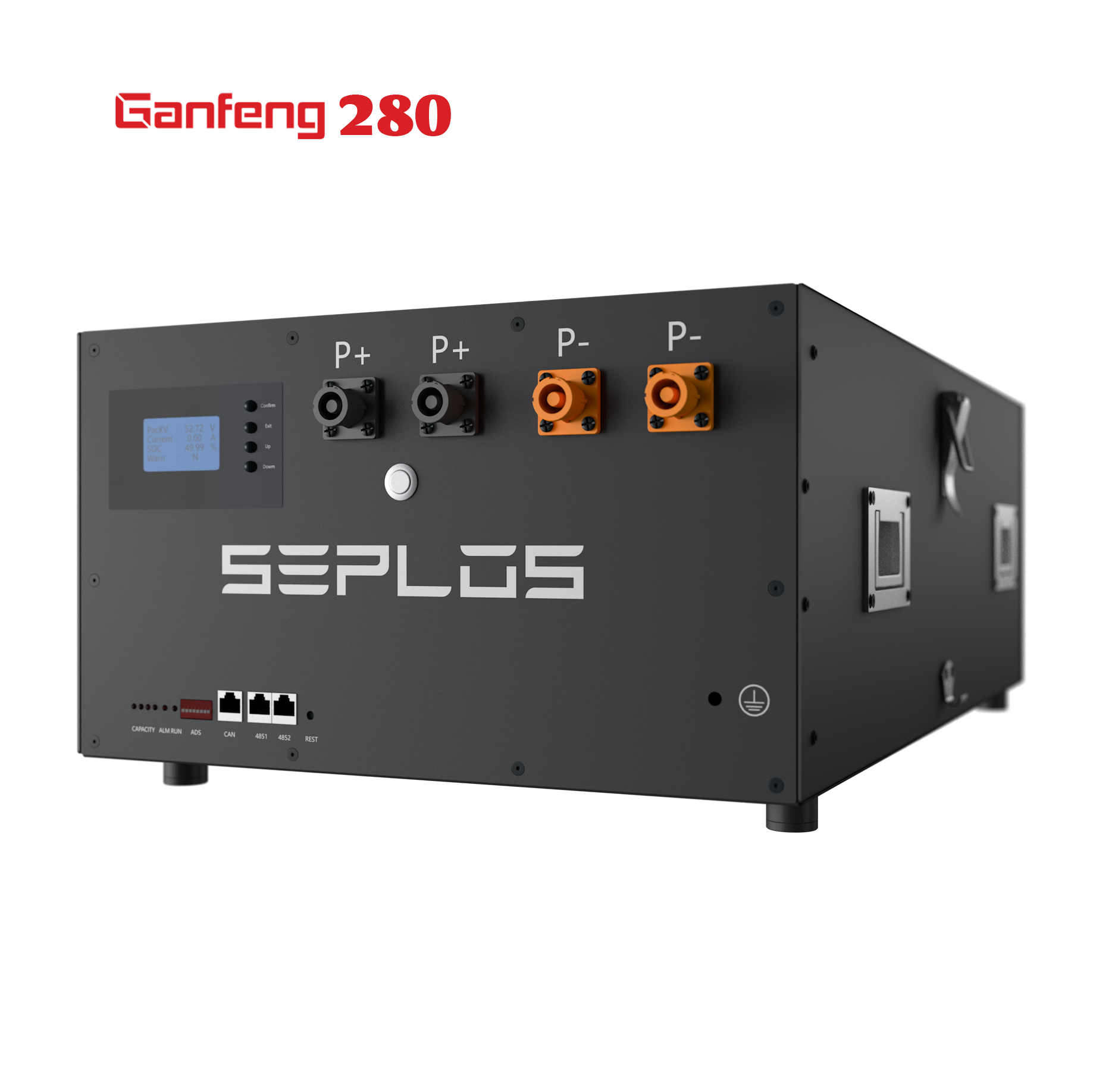
When evaluating energy storage solutions for solar systems, off-grid applications, or backup power, the choice between building your own 48v diy battery box and purchasing a pre-built system represents one of the most critical decisions you'll face. This comparison affects not only your initial investment but also long-term performance, safety, and maintenance requirements. Understanding the distinct advantages and limitations of each approach ensures you select the option that best aligns with your technical capabilities, budget constraints, and operational requirements.
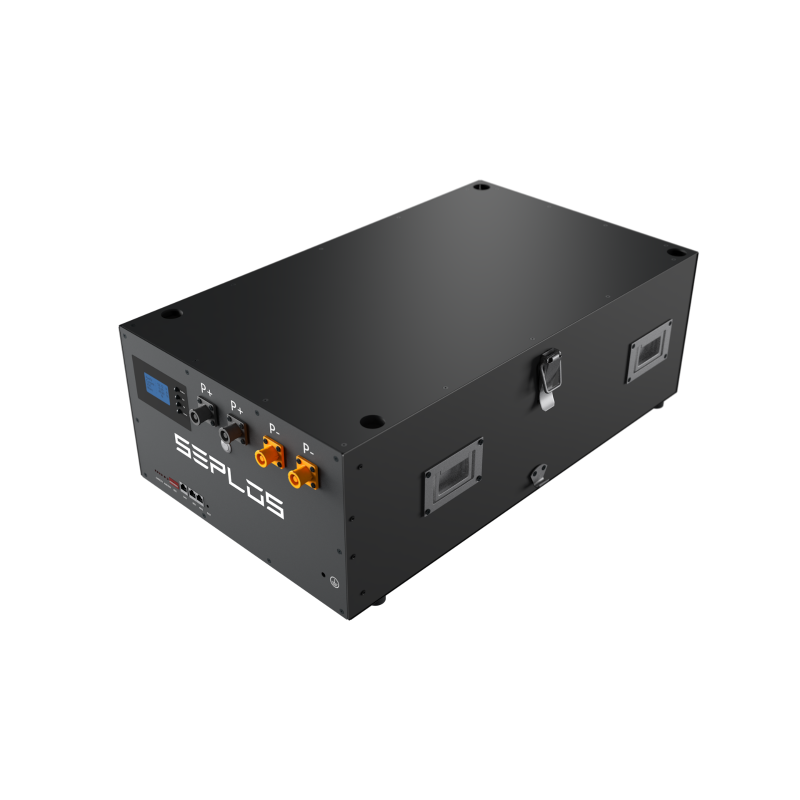
The decision between DIY and pre-built 48v battery systems involves multiple factors including cost analysis, technical complexity, safety considerations, and long-term reliability. Each approach serves different user profiles and application scenarios, making it essential to evaluate your specific circumstances before committing to either path. This comprehensive analysis examines the core differences, practical implications, and selection criteria to help you make an informed decision based on your unique requirements and constraints.
Cost Analysis and Budget Considerations
Initial Investment Comparison
The upfront cost difference between a 48v diy battery box and pre-built systems varies significantly based on component selection and system complexity. DIY approaches typically offer 30-50% cost savings on initial investment, primarily due to eliminating manufacturer markup and assembly labor costs. However, these savings require careful component sourcing, technical expertise, and time investment for research, procurement, and assembly.
Pre-built systems command premium pricing but include comprehensive testing, warranty coverage, and professional assembly. The cost premium reflects quality assurance processes, technical support, and manufacturer liability coverage. For systems requiring 14kWh capacity or higher, this premium can represent substantial absolute dollar amounts, making DIY approaches increasingly attractive from a pure cost perspective.
Hidden costs in DIY projects often include specialized tools, testing equipment, and potential component replacements due to compatibility issues or initial selection errors. Professional assembly tools, multimeters, battery analyzers, and safety equipment represent additional investments that many first-time builders overlook during initial budget planning.
Long-term Financial Impact
The total cost of ownership extends beyond initial purchase price to include maintenance, replacement parts, and potential system upgrades. DIY 48v diy battery box systems offer greater flexibility for future expansion and component replacement, potentially reducing long-term costs through selective upgrades rather than complete system replacement.
Pre-built systems typically include comprehensive warranties covering both components and system integration, reducing financial risk from component failures or compatibility issues. However, warranty restrictions may limit modification flexibility and require manufacturer-authorized service, potentially increasing long-term maintenance costs.
Energy density optimization in custom DIY builds can improve space utilization and reduce installation costs, particularly in applications where space constraints affect installation complexity. Pre-built systems may require larger installation footprints due to standardized enclosure designs, potentially increasing associated infrastructure costs.
Technical Complexity and Skill Requirements
DIY Assembly Challenges
Building a functional 48v diy battery box requires understanding of electrical principles, battery chemistry, thermal management, and safety protocols. The assembly process involves cell balancing, connection welding or bolting, battery management system integration, and enclosure preparation. Each step requires specific technical knowledge and proper execution to ensure system reliability and safety.
Battery management system selection and configuration represents one of the most critical technical challenges in DIY builds. The BMS must match cell chemistry, voltage requirements, current capacity, and communication protocols. Improper BMS selection or configuration can result in reduced system life, safety hazards, or complete system failure.
Thermal management design requires calculating heat generation, ventilation requirements, and temperature monitoring systems. Inadequate thermal design in 48v battery systems can lead to accelerated degradation, safety issues, or performance limitations under high-load conditions.
Pre-Built System Advantages
Pre-built battery systems eliminate technical complexity through factory testing, integrated design, and plug-and-play installation. Manufacturers conduct extensive testing including thermal cycling, vibration testing, and electrical validation to ensure reliable operation across specified operating conditions.
System integration in pre-built units includes optimized component matching, proper connection techniques, and validated thermal management. This integration eliminates compatibility risks and ensures all components work together as intended throughout the system's operational life.
Technical support availability from manufacturers provides ongoing assistance for installation, troubleshooting, and maintenance questions. This support particularly benefits users without extensive electrical experience or those encountering unexpected system behaviors.
Safety Considerations and Risk Management
DIY Safety Risks
Safety risks in 48v diy battery box construction include electrical shock, fire hazards, toxic gas exposure, and mechanical injury during assembly. Working with lithium battery cells requires understanding of proper handling procedures, storage requirements, and emergency response protocols. Improper cell handling can result in thermal runaway, fire, or explosion.
Electrical safety during assembly requires proper grounding, insulation, and connection techniques. High-current 48v systems can deliver dangerous energy levels capable of causing severe burns, fire, or equipment damage if connections fail or shorts occur. Proper fusing, circuit protection, and installation practices are essential for safe operation.
Enclosure design and ventilation requirements must address gas venting, fire suppression, and access safety. Inadequate ventilation can lead to gas accumulation, while poor enclosure design may create fire hazards or prevent safe maintenance access.
Pre-Built Safety Features
Manufactured battery systems include comprehensive safety features such as integrated fire suppression, gas venting, thermal monitoring, and fail-safe shutdown systems. These safety systems undergo rigorous testing and certification to meet relevant safety standards and regulatory requirements.
Professional assembly eliminates human error risks associated with DIY construction, including improper connections, inadequate insulation, or missing safety features. Factory quality control processes ensure consistent assembly quality and safety feature functionality.
Certification and compliance with safety standards provide additional assurance and may be required for insurance coverage or permit approval. UL listing, FCC certification, and other regulatory approvals demonstrate compliance with established safety requirements.
Performance and Reliability Factors
System Optimization Potential
Custom 48v diy battery box designs allow optimization for specific application requirements including discharge rates, cycle patterns, and environmental conditions. This optimization can improve performance, extend system life, or reduce total system cost through targeted component selection and configuration.
Component selection flexibility in DIY builds enables using premium cells, advanced BMS features, or specialized cooling systems that may not be available in standard pre-built configurations. This flexibility particularly benefits applications with unique requirements or extreme operating conditions.
Scalability advantages in DIY systems include easier expansion, modular design options, and flexible connection methods. Custom designs can accommodate future capacity increases or configuration changes more easily than fixed pre-built systems.
Reliability and Testing
Pre-built systems benefit from extensive factory testing including burn-in procedures, quality control testing, and validation across operating temperature ranges. This testing identifies potential issues before shipment and ensures consistent performance across production units.
Manufacturing quality control processes provide consistency in assembly techniques, connection quality, and component selection. This consistency reduces variability in system performance and reliability compared to individual DIY builds where assembly quality may vary.
Warranty coverage for pre-built systems provides protection against component failures, manufacturing defects, and premature degradation. Comprehensive warranties may include performance guarantees, capacity retention specifications, and full replacement coverage for specified periods.
Application Suitability and Use Cases
When DIY Makes Sense
DIY 48v diy battery box construction suits users with electrical experience, time availability, and specific customization requirements that pre-built systems cannot meet. Applications requiring unusual configurations, extreme environmental conditions, or integration with existing custom systems may benefit from DIY approaches.
Cost-sensitive applications where budget constraints make pre-built systems prohibitive may justify DIY construction despite increased complexity and risk. Large-scale installations where cost savings multiply across multiple units can make DIY approaches economically attractive even considering additional time investment.
Educational or hobbyist applications where the learning experience and technical understanding are valuable outcomes may favor DIY construction regardless of other considerations. These applications often prioritize knowledge gain over pure economic efficiency.
When Pre-Built Systems Excel
Commercial applications requiring liability insurance, regulatory compliance, or professional installation typically require pre-built systems with proper certifications and manufacturer support. These applications cannot accept the risks or limitations associated with DIY construction.
Mission-critical applications where system failure has significant consequences benefit from the testing, quality control, and warranty support provided by 48v diy battery box manufacturers. The additional cost represents insurance against system failures and their associated consequences.
Time-sensitive projects where rapid deployment is essential may require pre-built systems to meet installation deadlines. DIY construction timelines can be unpredictable due to component sourcing delays, technical challenges, or learning curve requirements.
FAQ
How much can I save by building my own 48v DIY battery box?
DIY construction typically saves 30-50% on initial costs compared to pre-built systems, but actual savings depend on component selection, required tools, and your time value. Hidden costs include specialized tools, testing equipment, and potential component replacements that can reduce overall savings. Large systems offer greater absolute savings potential, while smaller systems may have reduced cost advantages due to fixed tool and setup costs.
What technical skills are required for DIY battery box construction?
Essential skills include basic electrical knowledge, understanding of battery chemistry and safety, ability to make proper electrical connections, and familiarity with multimeter use and testing procedures. Advanced skills like welding, thermal management design, and BMS programming provide additional benefits but aren't always required. Safety training and emergency response knowledge are critical for handling lithium battery cells and high-energy electrical systems.
Are DIY battery boxes as reliable as pre-built systems?
DIY reliability depends heavily on component quality, assembly skill, and design expertise, while pre-built systems benefit from factory testing and quality control. Well-executed DIY builds using quality components can achieve similar reliability to pre-built systems, but inconsistent assembly quality and component selection can reduce reliability. Pre-built systems offer more predictable reliability through standardized manufacturing processes and comprehensive testing protocols.
Which option is better for off-grid solar applications?
The choice depends on your technical capabilities, budget constraints, and risk tolerance. DIY builds suit experienced users seeking customization and cost savings, while pre-built systems benefit users prioritizing reliability, warranty coverage, and simplified installation. Off-grid applications often favor reliability over cost savings due to limited service accessibility, making pre-built systems attractive despite higher initial costs. Remote installations may benefit from DIY flexibility for easier transportation and installation in challenging locations.
