
 EN
EN


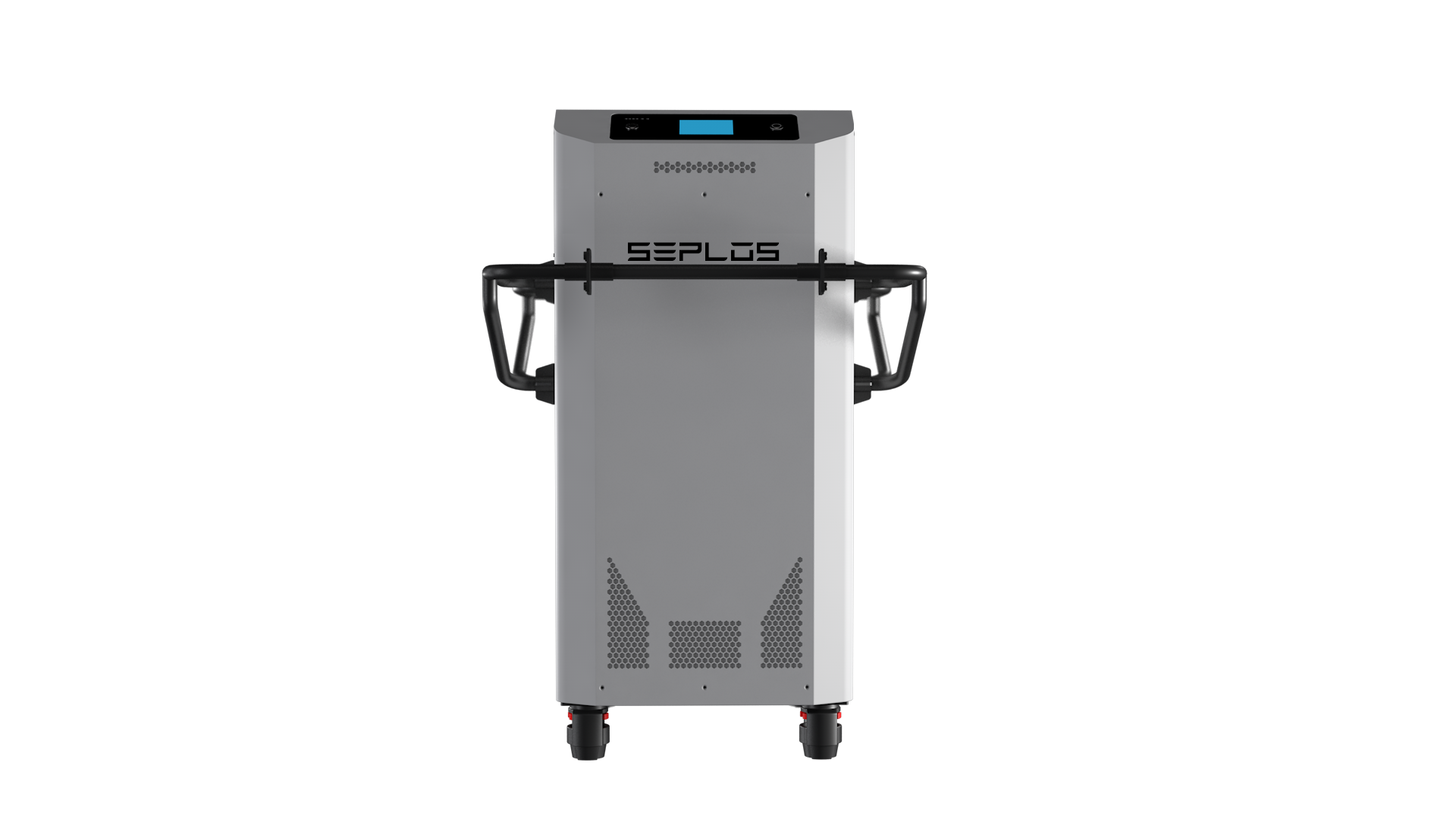
เมื่อประเมินโซลูชันการจัดเก็บพลังงาน การเข้าใจสมดุลที่ละเอียดอ่อนระหว่างต้นทุนกับประสิทธิภาพในการ แพ็คแบตเตอรี่ไอออนลิเธียม เลือกแบตเตอรี่ลิเธียมไอออนแบบแพ็กนั้นมีความสำคัญอย่างยิ่งทั้งสำหรับการใช้งานในครัวเรือนและเชิงพาณิชย์ การเปรียบเทียนอย่างครอบคลุมนี้จะวิเคราะห์ว่าการจัดวางแบบแพ็กที่แตกต่างกันของแบตเตอรี่ลิเธียมไอออนแต่ละชนิดให้คุณค่าที่หลากหลายเพียงใด ซึ่งจะช่วยให้คุณตัดสินใจได้อย่างมีข้อมูลตามความต้องการด้านกำลังไฟฟ้าเฉพาะของคุณและข้อจำกัดด้านงบประมาณ
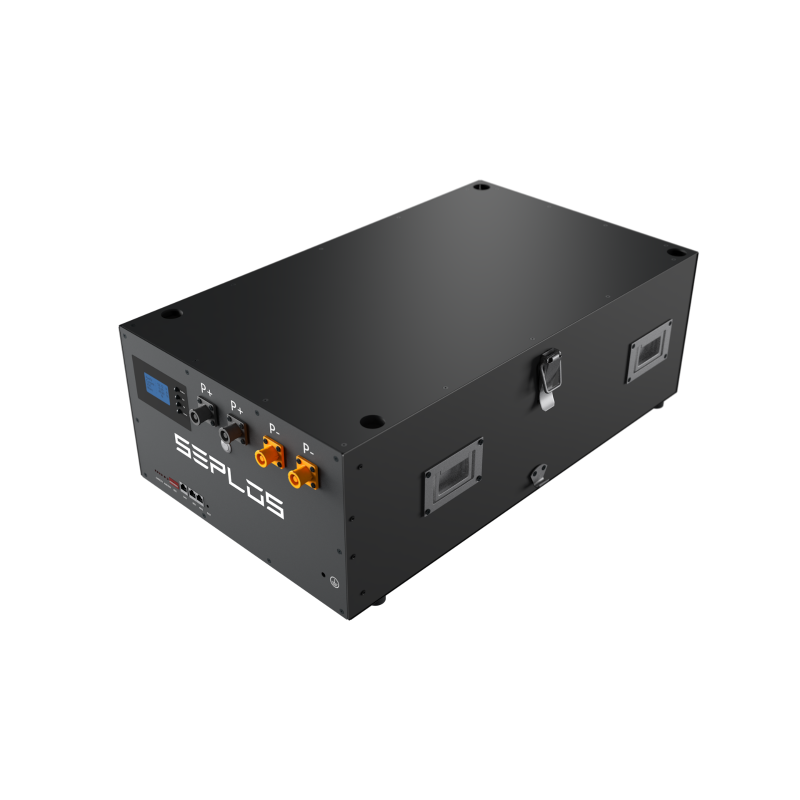
ตลาดแบตเตอรี่ลิเธียมไอออนแบบแพ็กมีความซับซ้อน โดยต้องพิจารณาต้นทุนการลงทุนครั้งแรกควบคู่ไปกับประโยชน์ด้านประสิทธิภาพในระยะยาว ความคาดหวังของจำนวนรอบการชาร์จ-ปล่อย (cycle life) และต้นทุนรวมตลอดอายุการใช้งาน (total cost of ownership) เทคโนโลยีแบตเตอรี่ลิเธียมไอออนแบบแพ็กสมัยใหม่เสนอความแตกต่างอย่างมีนัยสำคัญในด้านความหนาแน่นพลังงาน ความเร็วในการชาร์จ การจัดการความร้อน และอายุการใช้งานในการปฏิบัติงาน ทำให้การวิเคราะห์เปรียบเทียบระหว่างต้นทุนกับประสิทธิภาพนั้นลึกซึ้งและซับซ้อนกว่าการเปรียบเทียบราคาเบื้องต้นเพียงอย่างเดียว
การเข้าใจปัจจัยด้านต้นทุนในการเลือกแพ็กแบตเตอรี่ลิเธียมไอออน
ปัจจัยพิจารณาการลงทุนครั้งแรก
ต้นทุนเบื้องต้นของแพ็กแบตเตอรี่ลิเธียมไอออนเป็นเพียงจุดเริ่มต้นของการคำนวณการลงทุนรวมทั้งหมดของคุณเท่านั้น โซลูชันแพ็กแบตเตอรี่ลิเธียมไอออนระดับพรีเมียมมักมีราคาเริ่มต้นสูงกว่า เนื่องจากกระบวนการผลิตขั้นสูง วัสดุคุณภาพสูง และคุณสมบัติด้านความปลอดภัยที่เหนือกว่า อย่างไรก็ตาม ทางเลือกที่มีราคาสูงกว่านี้มักให้ความหนาแน่นพลังงานที่ดีกว่า หมายความว่าคุณจะต้องใช้เซลล์จำนวนน้อยลงเพื่อให้ได้ความจุเท่ากัน ซึ่งอาจชดเชยส่วนต่างของราคาได้
ขนาดการผลิตมีอิทธิพลอย่างมากต่อโครงสร้างราคาของแพ็กแบตเตอรี่ลิเธียมไอออน โรงงานผลิตในปริมาณมากสามารถบรรลุประโยชน์จากเศรษฐศาสตร์ของการผลิตจำนวนมาก (economies of scale) ซึ่งช่วยลดต้นทุนต่อหน่วย ในขณะที่แพ็กแบตเตอรี่ลิเธียมไอออนที่ออกแบบเฉพาะหรือผลิตในปริมาณน้อยอาจมีส่วนต่างราคาสูงมาก การเข้าใจพลวัตของตลาดเหล่านี้จะช่วยอธิบายได้ว่า ทำไมข้อมูลจำเพาะที่ดูคล้ายกันจึงอาจมีจุดราคาที่แตกต่างกันอย่างมากระหว่างผู้จัดจำหน่ายแต่ละราย
ค่าใช้จ่ายที่ซ่อนอยู่และผลกระทบทางการเงินในระยะยาว
นอกเหนือจากราคาซื้อเบื้องต้นแล้ว การเป็นเจ้าของแบตเตอรี่ลิเธียมไอออนยังเกี่ยวข้องกับค่าใช้จ่ายที่ซ่อนอยู่หลายรายการ ซึ่งส่งผลต่อการคำนวณต้นทุนรวมในการถือครอง (Total Cost of Ownership) อย่างมีนัยสำคัญ ความซับซ้อนของการติดตั้งแตกต่างกันอย่างมากตามการออกแบบแบตเตอรี่ลิเธียมไอออนแต่ละแบบ โดยบางรุ่นจำเป็นต้องใช้ระบบยึดติดพิเศษ ระบบจัดการความร้อนขั้นสูง หรือระบบจัดการแบตเตอรี่ (Battery Management Systems) ที่ซับซ้อน ซึ่งเพิ่มค่าใช้จ่ายในการติดตั้งอย่างมาก
ความต้องการในการบำรุงรักษาระบบแบตเตอรี่ลิเธียมไอออนอาจแตกต่างกันอย่างมาก ขึ้นอยู่กับเทคโนโลยีและแนวทางการนำไปใช้งานที่เลือก โซลูชันแบตเตอรี่ลิเธียมไอออนคุณภาพสูงมักมาพร้อมความสามารถในการตรวจสอบแบบเรียลไทม์และฟีเจอร์การวินิจฉัยตนเองที่ช่วยลดภาระงานด้านการบำรุงรักษา ในขณะที่ทางเลือกแบบประหยัดอาจต้องการการตรวจสอบด้วยตนเองบ่อยครั้งขึ้น และอาจจำเป็นต้องเปลี่ยนชิ้นส่วนต่าง ๆ บ่อยขึ้นตลอดอายุการใช้งาน
ตัวชี้วัดประสิทธิภาพที่ขับเคลื่อนข้อเสนอคุณค่า
การวิเคราะห์ความหนาแน่นพลังงานและประสิทธิภาพการใช้พื้นที่
ความหนาแน่นพลังงานถือเป็นหนึ่งในตัวชี้วัดประสิทธิภาพที่สำคัญที่สุดเมื่อประเมินทางเลือกของชุดแบตเตอรี่ลิเธียมไอออนสำหรับการใช้งานที่มีข้อจำกัดด้านพื้นที่ โซลูชันชุดแบตเตอรี่ลิเธียมไอออนประสิทธิภาพสูงสามารถให้ความหนาแน่นพลังงานได้ที่ระดับ 200–300 วัตต์-ชั่วโมงต่อกิโลกรัม (Wh/kg) ขณะที่ทางเลือกแบบประหยัดอาจให้เพียง 150–200 วัตต์-ชั่วโมงต่อกิโลกรัม (Wh/kg) เท่านั้น ความแตกต่างนี้มีความสำคัญอย่างยิ่งในแอปพลิเคชันที่ข้อจำกัดด้านพื้นที่หรือข้อจำกัดน้ำหนักส่งผลกระทบอย่างมีนัยสำคัญต่อการออกแบบระบบและต้นทุนการติดตั้ง
ความสัมพันธ์ระหว่างความหนาแน่นพลังงานกับต้นทุนในการเลือกชุดแบตเตอรี่ลิเธียมไอออนมักเป็นไปตามเส้นโค้งแบบไม่เชิงเส้น ซึ่งการปรับปรุงความหนาแน่นเพียงเล็กน้อยอาจต้องใช้การลงทุนเพิ่มขึ้นอย่างมาก อย่างไรก็ตาม สำหรับแอปพลิเคชันที่ต้นทุนพื้นที่สูง หรือความซับซ้อนในการติดตั้งเพิ่มขึ้นตามขนาดของระบบ ชุดแบตเตอรี่ลิเธียมไอออนที่มีความหนาแน่นพลังงานสูงระดับพรีเมียมอาจให้คุณค่าโดยรวมที่ดีกว่าแม้จะมีต้นทุนเริ่มต้นสูงกว่า
รูปแบบอายุการใช้งานแบบวงจรและการเสื่อมสภาพของประสิทธิภาพ
อายุการใช้งานแบบวงจรของแบตเตอรี่ลิเธียมไอออนแต่ละประเภทมีความแตกต่างกันอย่างมาก โดยโซลูชันระดับพรีเมียมสามารถให้ได้ 6,000–10,000 รอบ ที่ยังคงความจุไว้ได้ถึงร้อยละ 80 ขณะที่โซลูชันระดับประหยัดอาจให้เพียง 2,000–4,000 รอบภายใต้สภาวะที่เทียบเคียงกัน ความแตกต่างด้านประสิทธิภาพนี้ส่งผลโดยตรงต่ออายุการใช้งานเชิงปฏิบัติการและความถี่ในการเปลี่ยนชิ้นส่วน ทำให้อายุการใช้งานแบบวงจรเป็นหนึ่งในปัจจัยที่สำคัญที่สุดในการคำนวณต้นทุนต่อรอบ
รูปแบบการเสื่อมสภาพของประสิทธิภาพในระบบแบตเตอรี่ลิเธียมไอออนนั้นเป็นไปตามเส้นโค้งที่ซับซ้อน ซึ่งได้รับอิทธิพลจากอุณหภูมิขณะใช้งาน ความลึกของการคายประจุ (Depth of Discharge) วิธีการชาร์จ และสภาวะแวดล้อมต่างๆ โซลูชันระดับพรีเมียมมักมาพร้อมระบบจัดการความร้อนที่ซับซ้อนและสูตรเคมีขั้นสูง แพ็คแบตเตอรี่ไอออนลิเธียม ซึ่งช่วยรักษาประสิทธิภาพให้สม่ำเสมอในช่วงอุณหภูมิการใช้งานที่กว้างขึ้นและในระยะเวลานานขึ้น
กรอบการวิเคราะห์เปรียบเทียบสำหรับการตัดสินใจ
การสร้างแบบจำลองต้นทุนรวมตลอดอายุการใช้งาน
การพัฒนารูปแบบการคำนวณต้นทุนรวมตลอดอายุการใช้งาน (TCO) ที่แม่นยำสำหรับการเปรียบเทียบชุดแบตเตอรี่ลิเธียมไอออน จำเป็นต้องพิจารณาปัจจัยด้านต้นทุนหลายประการนอกเหนือจากราคาซื้อเริ่มต้น รูปแบบดังกล่าวควรรวมค่าใช้จ่ายในการติดตั้ง ค่าใช้จ่ายในการบำรุงรักษาอย่างต่อเนื่อง ตารางเวลาการเปลี่ยนชิ้นส่วน ความสูญเสียด้านประสิทธิภาพการใช้พลังงาน และค่าใช้จ่ายในการกำจัดหรือรีไซเคิลเมื่อถึงจุดสิ้นสุดของอายุการใช้งาน การวิเคราะห์ TCO สำหรับชุดแบตเตอรี่ลิเธียมไอออนอย่างครอบคลุมมักแสดงให้เห็นว่า โซลูชันระดับพรีเมียมให้คุณค่าที่ดีกว่าในระยะเวลานาน 10–15 ปี แม้จะมีการลงทุนครั้งแรกสูงกว่าก็ตาม
ต้นทุนด้านการจัดหาเงินทุนและตารางการลดค่าเสื่อมก็ส่งผลกระทบอย่างมีน้ำหนักต่อการคำนวณ TCO ของชุดแบตเตอรี่ลิเธียมไอออน โดยเฉพาะในแอปพลิเคชันเชิงพาณิชย์และอุตสาหกรรม ระบบชุดแบตเตอรี่ลิเธียมไอออนคุณภาพสูงมักมีคุณสมบัติเหมาะสมสำหรับเงื่อนไขการจัดหาเงินทุนที่ดีกว่า และอาจคงมูลค่าคงเหลือได้สูงกว่า ในขณะที่ทางเลือกแบบประหยัดอาจประสบปัญหาการลดค่าเสื่อมที่เร่งขึ้น ซึ่งส่งผลต่อผลตอบแทนทางการเงินโดยรวม
ข้อกำหนดด้านประสิทธิภาพเฉพาะตามการใช้งาน
การใช้งานที่แตกต่างกันส่งผลให้มีความต้องการที่หลากหลายต่อคุณลักษณะด้านประสิทธิภาพของชุดแบตเตอรี่ลิเธียมไอออน ทำให้การเปรียบเทียบแบบ 'ใช้ได้ทั่วไป' อาจนำไปสู่ข้อสรุปที่คลาดเคลื่อนได้ สำหรับการใช้งานที่ต้องการกระแสไฟฟ้าสูงซึ่งต้องอาศัยวงจรการชาร์จและปล่อยประจุอย่างรวดเร็ว อาจจำเป็นต้องลงทุนในชุดแบตเตอรี่ลิเธียมไอออนระดับพรีเมียมที่มีความหนาแน่นของกำลังไฟฟ้าสูงกว่าและระบบจัดการความร้อนที่เหนือกว่า ในขณะที่การใช้งานเพื่อจ่ายพลังงานสำรองแบบคงที่อาจสามารถบรรลุสมรรถนะที่เพียงพอได้ด้วยทางเลือกที่มีต้นทุนต่ำกว่า
สภาวะแวดล้อมในการใช้งานมีอิทธิพลอย่างมากต่อสมการต้นทุนเทียบกับประสิทธิภาพในการเลือกชุดแบตเตอรี่ลิเธียมไอออน สภาพแวดล้อมที่มีอุณหภูมิสุดขั้ว สภาพความชื้นสูง หรือการใช้งานที่มีข้อกำหนดด้านความปลอดภัยอย่างเข้มงวด อาจจำเป็นต้องใช้ชุดแบตเตอรี่ลิเธียมไอออนระดับพรีเมียมที่มาพร้อมระบบที่เสริมการป้องกันอย่างมีประสิทธิภาพ ซึ่งทำให้ต้นทุนเพิ่มเติมกลายเป็นการลงทุนที่จำเป็น ไม่ใช่การอัปเกรดที่เลือกได้ตามใจชอบ
ความหลากหลายของเทคโนโลยีและการแลกเปลี่ยนด้านสมรรถนะ
ความแตกต่างขององค์ประกอบทางเคมีและผลกระทบต่อสมรรถนะ
เคมีของแบตเตอรี่ลิเธียมไอออนแบบแพ็กที่แตกต่างกันให้คุณสมบัติด้านประสิทธิภาพที่ไม่เหมือนกัน ซึ่งส่งผลอย่างมีน้ำหนักต่อความคุ้มค่าในแอปพลิเคชันเฉพาะเจาะจง แบตเตอรี่ลิเธียมเฟอโรฟอสเฟตมีอายุการใช้งานแบบไซเคิลที่ยอดเยี่ยมและเสถียรภาพด้านความร้อนสูง แต่มีความหนาแน่นพลังงานต่ำ จึงเหมาะกับการใช้งานด้านการเก็บพลังงานแบบคงที่ (stationary storage) ที่ไม่จำกัดพื้นที่มากนัก ในขณะที่สูตรนิกเกิล-แมงกานีส-โคบอลต์ให้ความหนาแน่นพลังงานสูงกว่า แต่อาจต้องอาศัยระบบจัดการความร้อนที่ซับซ้อนยิ่งขึ้น
การเลือกเคมีของแบตเตอรี่ลิเธียมไอออนแบบแพ็กมีอิทธิพลโดยตรงต่อลักษณะการชาร์จ ช่วงอุณหภูมิในการทำงาน และข้อกำหนดด้านความปลอดภัย ปัจจัยเหล่านี้ส่งผลต่อการตัดสินใจด้านการออกแบบระบบโดยรวม ซึ่งอาจกระทบต่อความต้องการระบบระบายความร้อน ระบบความปลอดภัย และความซับซ้อนของการติดตั้ง การเข้าใจความสัมพันธ์แบบเชื่อมโยงกันเหล่านี้จะช่วยให้สามารถปรับสมดุลระหว่างต้นทุนกับประสิทธิภาพให้เหมาะสมกับความต้องการเฉพาะของแต่ละแอปพลิเคชันได้
พิจารณาด้านความสามารถในการขยายขนาดและการออกแบบแบบโมดูลาร์
ความสามารถในการปรับขนาด (Scalability) ถือเป็นปัจจัยสำคัญอย่างยิ่งในการวิเคราะห์อัตราส่วนต้นทุนเทียบกับประสิทธิภาพของชุดแบตเตอรี่ลิเธียมไอออน โดยเฉพาะในแอปพลิเคชันที่มีความต้องการกำลังไฟฟ้าที่เปลี่ยนแปลงไปตามเวลา การออกแบบชุดแบตเตอรี่ลิเธียมไอออนแบบโมดูลาร์ช่วยให้สามารถเพิ่มความจุได้แบบค่อยเป็นค่อยไปโดยไม่จำเป็นต้องเปลี่ยนระบบโดยรวม ซึ่งอาจให้คุณค่าในระยะยาวที่ดีกว่า แม้ว่าต้นทุนต่อหน่วยจะสูงกว่าก็ตาม อย่างไรก็ตาม ระบบที่ใช้โมดูลอาจเพิ่มความซับซ้อนให้กับระบบจัดการแบตเตอรี่ (BMS) และระบบควบคุมอุณหภูมิ
ด้านเศรษฐศาสตร์ของการปรับขนาดชุดแบตเตอรี่ลิเธียมไอออนมีความสำคัญอย่างยิ่งในแอปพลิเคชันเชิงพาณิชย์ ซึ่งความต้องการการจัดเก็บพลังงานอาจเพิ่มขึ้นตามระยะเวลา ระบบที่ออกแบบมาเพื่อการขยายความจุได้อย่างง่ายดายสามารถรองรับการเติบโตของธุรกิจได้โดยไม่จำเป็นต้องเปลี่ยนระบบใหม่ทั้งหมด ในขณะที่ระบบที่มีความจุคงที่อาจจำเป็นต้องติดตั้งแบบขนานหรือเปลี่ยนระบบก่อนกำหนดเมื่อความต้องการเปลี่ยนแปลงไป
คำถามที่พบบ่อย
ปัจจัยใดบ้างที่มีผลกระทบมากที่สุดต่ออัตราส่วนต้นทุนเทียบกับประสิทธิภาพของระบบชุดแบตเตอรี่ลิเธียมไอออน
ปัจจัยที่สำคัญที่สุด ได้แก่ การเลือกเคมีของแบตเตอรี่ ความคาดหวังในจำนวนรอบการใช้งาน (cycle life) ความต้องการด้านความหนาแน่นพลังงาน (energy density) และต้นทุนรวมในการเป็นเจ้าของ (total cost of ownership) ตลอดอายุการใช้งานที่คาดการณ์ไว้ของระบบ โซลูชันแพ็กแบตเตอรี่ลิเธียมไอออนระดับพรีเมียมมักให้คุณค่าในระยะยาวที่ดีกว่าผ่านจำนวนรอบการใช้งานที่ยาวนานขึ้น ประสิทธิภาพที่สูงขึ้น และความต้องการในการบำรุงรักษาที่ลดลง แม้ว่าจะมีต้นทุนเริ่มต้นสูงกว่า
ฉันจะทราบได้อย่างไรว่าแพ็กแบตเตอรี่ลิเธียมไอออนที่มีราคาสูงกว่าจะให้คุณค่าโดยรวมที่ดีกว่า
คำนวณต้นทุนรวมในการเป็นเจ้าของ ซึ่งรวมถึงค่าติดตั้ง ค่าบำรุงรักษา จำนวนรอบการเปลี่ยนแบตเตอรี่ และประสิทธิภาพการใช้พลังงาน ตลอดระยะเวลาการใช้งานที่คาดการณ์ไว้ ตัวเลือกแพ็กแบตเตอรี่ลิเธียมไอออนที่มีราคาสูงกว่ามักให้คุณค่าที่ดีกว่าเมื่อประเมินในช่วงเวลา 10–15 ปี โดยเฉพาะในแอปพลิเคชันที่มีอัตราการใช้งานสูงหรือมีข้อกำหนดด้านประสิทธิภาพที่เข้มงวด
เมตริกด้านประสิทธิภาพใดบ้างที่ฉันควรให้ความสำคัญเป็นพิเศษเมื่อเปรียบเทียบตัวเลือกแพ็กแบตเตอรี่ลิเธียมไอออนที่แตกต่างกัน
ให้ความสำคัญกับอายุการใช้งานของแบตเตอรี่ (cycle life) ที่ระดับการคายประจุ (depth of discharge) ที่คุณคาดการณ์ไว้ ความหนาแน่นพลังงาน (energy density) สำหรับแอปพลิเคชันที่มีข้อจำกัดด้านพื้นที่ อัตราการชาร์จ/คายประจุ (charge/discharge rates) สำหรับการใช้งานที่ต้องการกำลังสูง และช่วงอุณหภูมิในการทำงาน (operating temperature ranges) ที่สอดคล้องกับสภาพแวดล้อมของคุณ เมตริกเหล่านี้ส่งผลโดยตรงต่อทั้งความสามารถในการทำงานและประสิทธิภาพด้านต้นทุนในระยะยาวของการลงทุนในชุดแบตเตอรี่ลิเธียมไอออน
การเลือกเคมีของชุดแบตเตอรี่ลิเธียมไอออนส่งผลต่อสมการต้นทุนเทียบกับประสิทธิภาพอย่างไร?
เคมีแต่ละชนิดให้คุณสมบัติที่แตกต่างกันในด้านความหนาแน่นพลังงาน อายุการใช้งาน (cycle life) ลักษณะด้านความปลอดภัย และโครงสร้างต้นทุน ลิเธียมเฟอร์โรฟอสเฟต (Lithium iron phosphate) มีความทนทานสูงมากและปลอดภัยมาก แม้จะมีความหนาแน่นพลังงานในระดับปานกลาง ในขณะที่นิกเกิล-แมงกานีส-โคบอลต์ (nickel manganese cobalt) ให้ความหนาแน่นพลังงานสูงกว่า แต่อาจจำเป็นต้องใช้ระบบความปลอดภัยเพิ่มเติม ซึ่งส่งผลต่อต้นทุนรวมของระบบและความสามารถในการทำงาน
สารบัญ
- การเข้าใจปัจจัยด้านต้นทุนในการเลือกแพ็กแบตเตอรี่ลิเธียมไอออน
- ตัวชี้วัดประสิทธิภาพที่ขับเคลื่อนข้อเสนอคุณค่า
- กรอบการวิเคราะห์เปรียบเทียบสำหรับการตัดสินใจ
- ความหลากหลายของเทคโนโลยีและการแลกเปลี่ยนด้านสมรรถนะ
-
คำถามที่พบบ่อย
- ปัจจัยใดบ้างที่มีผลกระทบมากที่สุดต่ออัตราส่วนต้นทุนเทียบกับประสิทธิภาพของระบบชุดแบตเตอรี่ลิเธียมไอออน
- ฉันจะทราบได้อย่างไรว่าแพ็กแบตเตอรี่ลิเธียมไอออนที่มีราคาสูงกว่าจะให้คุณค่าโดยรวมที่ดีกว่า
- เมตริกด้านประสิทธิภาพใดบ้างที่ฉันควรให้ความสำคัญเป็นพิเศษเมื่อเปรียบเทียบตัวเลือกแพ็กแบตเตอรี่ลิเธียมไอออนที่แตกต่างกัน
- การเลือกเคมีของชุดแบตเตอรี่ลิเธียมไอออนส่งผลต่อสมการต้นทุนเทียบกับประสิทธิภาพอย่างไร?
