
 EN
EN


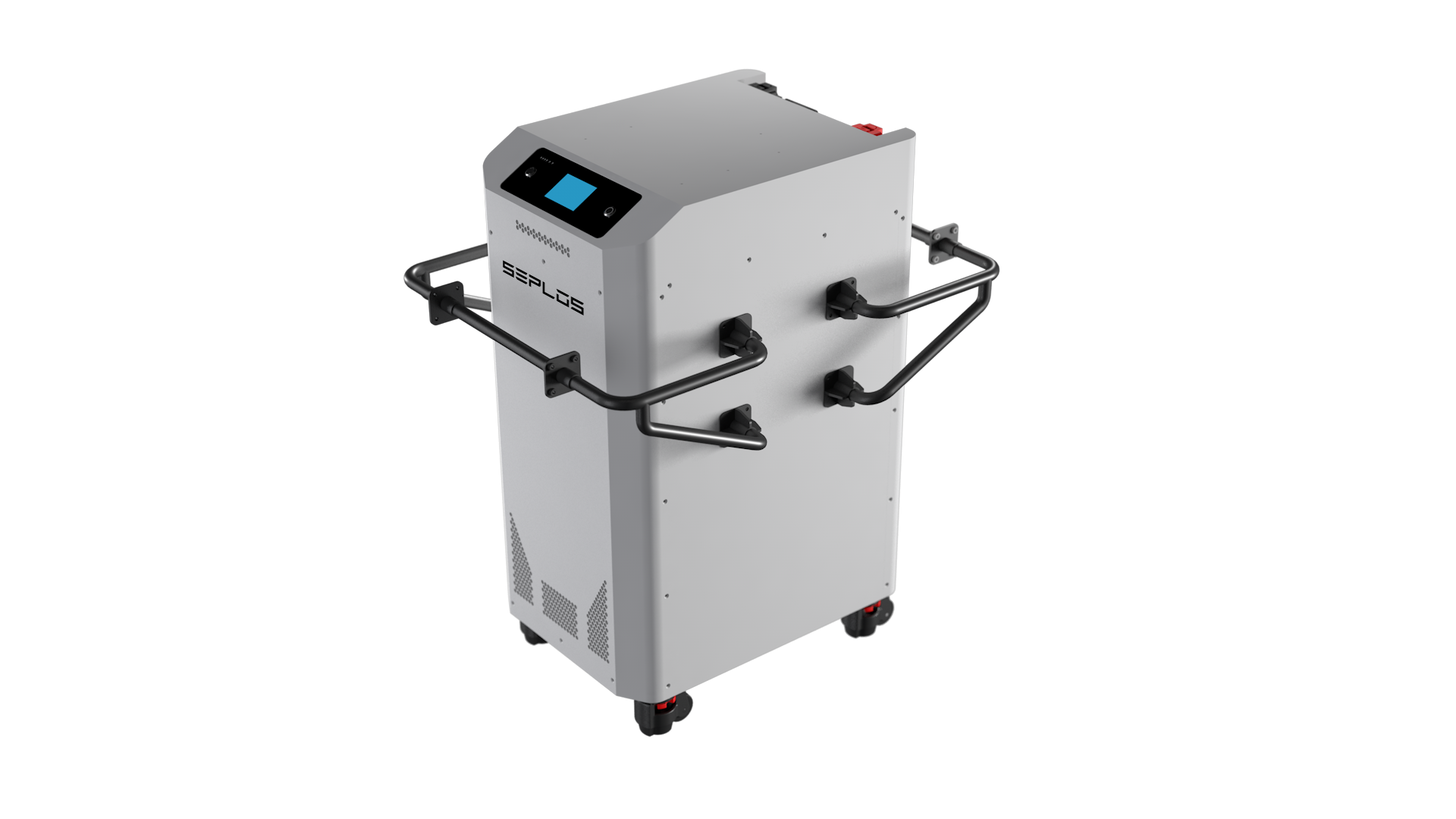
A rendszerek megfelelő biztonsági protokolljainak megértése litium ion akkumulátorcsomag elengedhetetlenül fontos minden olyan személy számára, aki modern energiatároló megoldásokkal dolgozik. Ezek az új generációs akkumulátortechnológiák forradalmasították mindent – a fogyasztói elektronikától kezdve a nagy méretű energiatárolási alkalmazásokig –, de speciális kezelési eljárásokat és biztonsági intézkedéseket igényelnek a veszélyes helyzetek megelőzésére. Az elfogadott biztonsági irányelvek betartásának jelentősége nem hangsúlyozható túl, mivel a lítium-ion akkumulátorcsomagok helytelen kezelése hőfutásra, tűzre vagy akár robbanásra is vezethet.
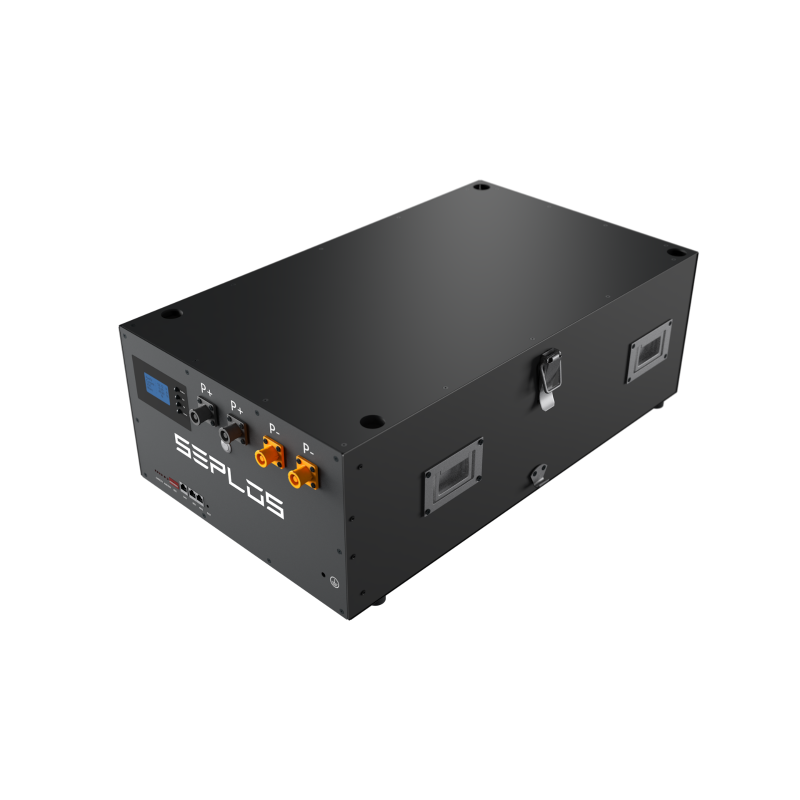
A lítium-ion akkumulátorcsomagok telepítésének biztonsági szempontjai a mechanikai kezelési eljárásokon túl a töltési protokollokat, tárolási követelményeket, környezeti vezérléseket és vészhelyzeti reakciós tervezést is magukba foglalják. Akár egy lakossági napelemes akkumulátoros tartalékrendszer kezelését végzi, akár ipari energiatároló rendszerek üzemeltetését felügyeli, a teljes körű biztonsági intézkedések bevezetése mind a személyzet, mind az ingatlan védelmét szolgálja, miközben biztosítja az akkumulátorok optimális működését és hosszú élettartamát. Ez a részletes útmutató alapvető biztonsági tanácsokat és irányelveket nyújt minden lítium-ion akkumulátorcsomag-felhasználó számára, amelyeket meg kell értenie és alkalmaznia kell.
A lítium-ion akkumulátorcsomagok veszélyeinek megértése
Hőmérsékleti felfutás kockázatai és megelőzése
A hőmérsékleti szabályozás elvesztése (thermal runaway) a legkomolyabb biztonsági aggályt jelenti a lítium-ion akkumulátorcsomagoknál. Ez a veszélyes állapot akkor következik be, amikor az akkumulátor belsejében a hőmérséklet túllépi a biztonságos üzemelési határokat, és egy láncreakciót indít el, amely további hőtermelést eredményez, és potenciálisan tűz vagy robbanás kialakulásához vezethet. A folyamat akkor kezdődik, amikor a cella hőmérséklete körülbelül 130 °C-ra emelkedik, ami miatt a szeparátor anyaga lebomlik, és közvetlen érintkezés jön létre az elektródák között.
A lítium-ion akkumulátorok hőmérsékleti szabályozásának megakadályozása több rétegű védelmet igényel az akkumulátorcsomagok konfigurációjában. Az akkumulátorkezelő rendszerek folyamatosan figyelik az egyes cellák hőmérsékletét és feszültségét, és automatikusan megszakítják az áramellátást, ha rendellenes körülményeket észlelnek. A megfelelő távolság betartása az akkumulátormodulok között biztosítja a megfelelő légáramlást a hűtéshez, míg a hőszigetelő határfelületek megakadályozzák a hőátadást a cellák között. A hűtőrendszerek és hőmérséklet-érzékelők rendszeres ellenőrzése lehetővé teszi a lehetséges problémák korai észlelését, mielőtt azok veszélyes szintre emelkednének.
A környezeti tényezők jelentősen befolyásolják a hőmérséklet-felrobbanás kockázatát a lítium-ion akkumulátorcsomagok telepítése során. A magas környezeti hőmérséklet, a rossz szellőzés és a közvetlen napfénynek való kitettség mindegyike hozzájárulhat a veszélyes hőmérséklet-emelkedéshez. Az akkumulátorok éghajlatvezérelt, megfelelő szellőzéssel ellátott környezetben történő telepítése jelentősen csökkenti ezeket a kockázatokat. Ezen felül az túltöltés elkerülése és a megfelelő töltési/merítési arányok fenntartása segít megakadályozni a túlzott hőtermelést a normál üzemelés során.
Kémiai és tűzveszély
A lítium-ion akkumulátorcsomag-rendszerek elektrolitot és egyéb vegyi anyagokat tartalmaznak, amelyek egészségügyi kockázatot jelenthetnek, ha az akkumulátor meghibásodása vagy fizikai sérülése esetén felszabadulnak. Ezek az anyagok mérgező gázokat, például hidrogén-fluoridot, szén-monoxidot és különféle szerves vegyületeket bocsáthatnak ki, ha az akkumulátorok sérülnek vagy túlmelegednek. A szellőztető rendszereket úgy kell megtervezni, hogy gyorsan eltávolítsák a veszélyes gázokat azokból a zárt terekből, ahol az akkumulátorokat telepítették.
A lítium-ion akkumulátorcsomagok telepítéseinek tűzoltó rendszerei speciális megközelítést igényelnek, amely eltér a hagyományos tűzvédelmi módszerektől. A vízalapú permetező rendszerek hatékonyak lehetnek a hűtésre és a tűz terjedésének megakadályozására, de nem feltétlenül oltják el teljesen a tüzet. lítium akkumulátor a villamos tűzeken alkalmazható speciális tűzoltó anyagok jobb védelmet nyújtanak, bár a megfelelő akkumulátorkezelés révén történő megelőzés marad az elsődleges biztonsági stratégia.
Személyi védőfelszerelés (PPE) elengedhetetlen a lítium-ion akkumulátorcsomag-rendszerekkel közvetlenül dolgozó személyek számára. A védőszemüveg, a vegyszerálló kesztyűk és a megfelelő ruházat védelmet nyújt az elektrolit érintkezésével szemben. Olyan környezetekben, ahol gázkibocsátás lehetséges, légzésvédő felszerelésre is szükség lehet. A személyzet megfelelő PPE-használatra és vészhelyzeti eljárásokra vonatkozó képzése biztosítja, hogy hatékonyan tudjanak reagálni akkumulátorral kapcsolatos incidensekre.
Telepítési biztonsági követelmények
Elektromos biztonsági protokollok
A lítium-ion akkumulátorcsomagok megfelelő elektromos telepítési eljárásai a munka megkezdése előtt teljes áramellátás-kikapcsolással kezdődnek. Ez magában foglalja az egyenáramú (AC) tápegységek, a váltóáramú (DC) akkumulátorcsatlakozások és bármely olyan kommunikációs kábel leválasztását, amely feszültséget vezethet. A zárolás/címkézés (lockout/tagout) eljárások megakadályozzák a véletlen újraenergizálást a telepítés vagy karbantartás során. Az összes nagyfeszültségű csatlakozást és a rendszer üzembe helyezését kizárólag képzett elektromos szakemberek végezhetik el a biztonsági szabványok betartása érdekében.
A lítium-ion akkumulátorcsomagok telepítésénél a földelési és összekötési követelmények az elektromos áramütés veszélyének megelőzésére és a tűzveszély csökkentésére kialakított speciális elektromos szabványokat követik. Az összes fémes alkatrész – ideértve az akkumulátorházakat, a rögzítőelemeket és a vezetékek burkolatait – megfelelően földelendő, hogy kiküszöböljék a potenciálkülönbségeket, amelyek ívképződést okozhatnak. A földelési hibafelismerő rendszerek további védelmet nyújtanak azon szigetelési hibák felügyeletével, amelyek veszélyes körülményeket teremthetnek.
A DC-alkalmazásokhoz kifejlesztett áramkörvédelmi eszközöket megfelelő helyeken kell felszerelni litium ion akkumulátorcsomag az ilyen eszközök közé tartoznak a DC-értékű biztosítékok, áramköri megszakítók és leválasztókapcsolók, amelyek biztonságosan megszakíthatják a nagy DC-áramokat. A védőeszközök megfelelő méretezése és összehangolása biztosítja, hogy hibás üzemi feltételek mellett is megfelelően működjenek, miközben normál terhelés mellett is lehetővé teszik a zavartalan üzemelést.
Környezeti Ellenőrző Rendszerek
A hőmérséklet-szabályozás kritikus biztonsági követelményt jelent a lítium-ion akkumulátorcsomagok telepítésekor. A fűtési, szellőztetési és légkondicionáló rendszereknek a gyártó által előírt hőmérséklettartományon belül kell tartaniuk az akkumulátorok hőmérsékletét, ami általában optimális teljesítmény és biztonság érdekében 15 °C és 25 °C között van. A hőmérséklet-ellenőrző rendszereknek több érzékelőt kell tartalmazniuk az akkumulátorok telepítési területén, hogy észleljék a forró pontokat vagy a hűtőrendszer meghibásodását.
A lítium-ion akkumulátorcsomagok szellőzési követelményei a telepítés méretétől és elrendezésétől függenek. Zárt akkumulátortermek esetén mechanikus szellőztető rendszerekre van szükség, amelyek óránként megfelelő levegőcserét biztosítanak a normál üzemelés vagy vészhelyzet során esetlegesen kibocsátott gázok eltávolításához. Kisebb, kültéri telepítések esetén természetes szellőzés is elegendő lehet, feltéve, hogy az akkumulátormodulok körül megfelelő levegőáramlási utakat biztosítanak.
A páratartalom-szabályozás segít megelőzni a kondenzációt, amely elektromos hibákat vagy korróziót okozhat a lítium-ion akkumulátorcsomagokban. A relatív páratartalom 45–75%-os tartása optimális körülményeket biztosít, miközben megelőzi a nedvességgel kapcsolatos problémákat. Nedvességelvonó rendszerek szükségesek lehetnek páratartalmas éghajlaton, míg nagyon száraz környezetben párát adó berendezésekre lehet szükség a statikus elektromosság felhalmozódásának megelőzéséhez.
Üzemeltetési biztonsági irányelvek
Töltésbiztonsági eljárások
A lítium-ion akkumulátorcsomagok biztonságos töltéséhez szigorúan be kell tartani a gyártó által megadott feszültség-, áram- és hőmérséklet-határokat. A töltésvezérlőknek több biztonsági funkciót is tartalmazniuk kell, például túlfeszültség-védelmet, áramkorlátozást és hőmérséklet-figyelést. Ezek a rendszereknek automatikusan le kell állítaniuk a töltést, ha bármely paraméter túllépi a biztonságos határértékeket, ezzel megakadályozva az akkumulátor károsodását vagy a termikus elszaladást.
A lítium-ion akkumulátorcsomagok telepítésénél figyelembe veendő töltési környezeti tényezők közé tartozik az elegendő szellőzés, a megfelelő környezeti hőmérséklet, valamint a nedvességtől való védelem. A töltés során hő keletkezik, amelyet megfelelő hűtőrendszerekkel vagy természetes légáramlattal kell elvezetni. A töltést felfüggeszteni kell, ha a környezeti hőmérséklet meghaladja a javasolt határértékeket, vagy ha a szellőztető rendszer meghibásodik. A töltőberendezések rendszeres ellenőrzése biztosítja működésük megfelelőségét és a potenciális problémák korai észlelését.
A töltési műveletek során alkalmazandó felügyeleti követelmények a rendszer méretétől és a kockázatértékeléstől függenek. A nagy méretű lítium-ion akkumulátorcsomagok telepítése esetén folyamatos figyelés szükséges lehet a töltés ideje alatt, míg a kisebb, bizonyítottan biztonságos rendszerek megfelelő riasztórendszerekkel ellátva üzemeltethetők felügyelet nélkül. A vészhelyzeti leállítási eljárásokat egyértelműen ki kell jelölni, és a személyzetet megfelelően be kell tanítani a töltéssel kapcsolatos riasztások vagy balesetek esetére adandó megfelelő reakcióra.
Karbantartási és ellenőrzési biztonság
A lítium-ion akkumulátorcsomag-rendszerek rendszeres karbantartási eljárásainak megfelelő biztonsági protokollokat kell követniük a személyzet és a berendezések védelme érdekében. Bármely karbantartási munka megkezdése előtt a rendszereket megfelelően le kell választani az áramforrástól, és alkalmazni kell a megfelelő zárolási/címkézési eljárásokat. A vizuális ellenőrzéseknek a károsodás, korrózió, laza csatlakozások vagy szokatlan lerakódások jeleit kell keresniük az akkumulátor-klemmek és -házak környékén.
A lítium-ion akkumulátorcsomagok tesztelési eljárásai specializált felszerelést és képzett személyzetet igényelnek. A feszültségméréseket megfelelően minősített, megfelelő biztonsági funkciókkal rendelkező mérőműszerekkel kell elvégezni. Az izolációs vizsgálatokhoz ideiglenesen le kell választani a batériakezelő rendszer (BMS) egyes komponenseit a károsodás megelőzése érdekében. Az összes tesztelési munkát a gyártó által előírt eljárások és biztonsági irányelvek betartásával kell végezni az esetleges károk vagy személyi sérülések megelőzése érdekében.
A lítium-ion akkumulátorcsomagok karbantartására vonatkozó dokumentációs követelmények részletes feljegyzéseket tartalmaznak minden ellenőrzésről, tesztről és korrekciós intézkedésről. Ezek a feljegyzések segítenek azonosítani a fejlődő problémákat jelezhető tendenciákat, valamint értékes információkat nyújtanak garanciális igények vagy baleseti vizsgálatok céljából. A karbantartási ütemtervet a gyártó ajánlásai szerint kell elkészíteni, figyelembe véve az üzemeltetési körülményeket és a rendszer kritikusságát.
Vészhelyzeti Reagálási Tervezés
Tűzvédelmi vészhelyzeti eljárások
A lítium-ion akkumulátorcsomagok telepítésére vonatkozó tűzvédelmi vészhelyzeti intézkedési terveknek figyelembe kell venniük a lítium-akkumulátoros tűzök egyedi jellemzőit. Ezek a tűzek órák vagy napok elteltével is újra ki tudnak törni a kezdeti oltás után, mivel a hőfutás a cellák között terjedhet. A vészhelyzeti beavatkozó személyzetet értesíteni kell arról, hogy lítium-akkumulátorok találhatók a helyszínen, így megfelelő beavatkozási módszereket és biztonsági intézkedéseket alkalmazhatnak. A víz alkalmazása szükséges lehet a hűtéshez és a tűz terjedésének megakadályozásához, bár a víz nem tudja teljesen eloltani a lítium-akkumulátoros tűzöket.
A lítium-ion akkumulátorcsomag-rendszereket tartalmazó területek evakuációs eljárásainak figyelembe kell venniük a mérgező gázok kibocsátásának veszélyét tűz esetén. Az evakuációs útvonalaknak szélirányban felfelé, illetve az akkumulátorok telepítési helyeitől távol vezetnie kell, hogy elkerüljék a veszélyes gázokkal való érintkezést. A mérgező gázok eltávolítása érdekében automatikusan aktiválódhatnak a vészhelyzeti szellőztető rendszerek. A személyzetet különösen a lítium-akkumulátorokkal kapcsolatos vészhelyzeti esetekre szabott evakuációs eljárásokról kell oktatni.
A helyi vészhelyzeti szolgálatokkal való koordináció biztosítja, hogy megértsék a litium-ion akkumulátorcsomagok telepítésével kapcsolatos specifikus veszélyeket. A baleset előtti tervezési ülések segíthetnek a tűzoltóknak megismerni a rendszer elrendezését, az elektromos lekapcsolási eljárásokat és a megfelelő oltási stratégiákat. A vészhelyzeti beavatkozók számára rendelkezésre álló telephelytervek és veszélyinformációk segítenek hatékony beavatkozási stratégiák és biztonsági protokollok kialakításában.
Rendszer lekapcsolása és helyreállítása
A litium-ion akkumulátorcsomagok rendszereinek vészhelyzeti lekapcsolási eljárásait egyértelműen dokumentálni kell, és rendszeresen gyakorolni. Több szintű lekapcsolás szükséges lehet, ideértve az AC-ellátás lekapcsolását, a DC-akkumulátor lekapcsolását és a kommunikációs rendszer elkülönítését. A vészhelyzeti leállító kapcsolókat egyértelműen fel kell tüntetni, és könnyen elérhetővé kell tenni a jogosult személyzet számára. Az akkumulátorkezelő rendszerek távolról is biztosíthatnak leállítási funkciót a biztonság növelése érdekében.
A balesetet követő értékelési eljárások segítenek meghatározni a károk mértékét és annak biztonságosságát, hogy a műveletek folytathatók legyenek a lítium-ion akkumulátorcsomagokkal kapcsolatos vészhelyzetek után. A hőmérsékleti eseményeket vagy fizikai károkat szenvedett rendszerek újraüzembe helyezése előtt szakértői vizsgálat szükséges lehet. A tesztelési eljárásoknak ellenőrizniük kell a biztonsági rendszerek és védőberendezések megfelelő működését az akkumulátorok szolgálatba állítása előtt.
A lítium-ion akkumulátorcsomagokkal kapcsolatos balesetek helyreállítási terve tartalmazza a sérült akkumulátorok biztonságos ártalmatlanításának és az esetlegesen kiszabadult anyagok eltávolításának eljárásait. A sérült lítium-akkumulátorok megfelelő ártalmatlanításához specializált veszélyes hulladék-kezelő vállalkozók igénybevétele szükséges lehet. Környezeti monitoring szükséges lehet annak biztosítására, hogy az érintett területeken ne maradjon vissza veszélyes anyag. A biztosítási és szabályozási bejelentési kötelezettségeket egyértelműen meg kell érteni, és azokat időben meg kell valósítani.
Képzési és kompetenciakövetelmények
Személyzeti képzési programok
A litium-ion akkumulátorcsomag-rendszerekkel dolgozó személyzet számára szervezett átfogó képzési programoknak mind elméleti ismereteket, mind gyakorlati készségeket kell tartalmazniuk. A képzési tanterveknek fel kell foglalniuk az akkumulátortechnológia alapjait, a biztonsági kockázatokat, a megfelelő kezelési eljárásokat és a vészhelyzeti reakciós protokollokat. Különböző képzési szintek lehetnek megfelelők különféle munkafunkciókhoz: a létesítményi személyzet számára alapszintű tudatossági képzés, míg a karbantartó személyzet számára haladó szintű műszaki képzés.
A litium-ion akkumulátorcsomagok biztonságával kapcsolatos gyakorlati képzési elemeknek gyakorlati gyakorlatokat kell tartalmazniuk a megfelelő kezelési technikák, a személyi védőeszközök használata és a vészhelyzeti reakciós eljárások terén. A képzést olyan ellenőrzött környezetben kell megszervezni, ahol a hibák biztonságosan elkövethetők a megfelelő eljárások elsajátítása érdekében. A rendszeres frissítő képzések biztosítják, hogy a készségek naprakészek maradjanak, és az új biztonsági információk hatékonyan elérjék a célcsoportot.
A kompetenciaértékelési eljárások azt igazolják, hogy a személyzet biztonságosan dolgozhat litium-ion akkumulátorcsomag-rendszerekkel. Az írásbeli vizsgák a teoretikus ismereteket tesztelik, míg a gyakorlati bemutatások ellenőrzik a biztonsági eljárások megfelelő alkalmazását. A folyamatos kompetenciafigyelés megfigyelés és időszakos újraértékelés útján biztosítja a további biztonságos munkavégzést. A képzési nyilvántartásoknak dokumentálniuk kell a kötelező programok teljesítését és a kompetencia-bemutatásokat.
Biztonsági kultúra fejlesztése
Erős biztonsági kultúra kialakítása a litium-ion akkumulátorcsomagok kezelésének területén vezetői elköteleződést és alkalmazottak bevonását igényel. A biztonsági szabályzatokat egyértelműen kell közölni, és minden szervezeti szinten következetesen érvényesíteni. A rendszeres biztonsági értekezletek lehetőséget nyújtanak a tanulságok megbeszélésére, az eljárások átvizsgálására és a biztonsággal kapcsolatos aggályok kezelésére. A elismerési programok segíthetnek megerősíteni a pozitív biztonsági magatartást, és ösztönözhetik a további figyelmet és óvatosságot.
A lítium-ion akkumulátorcsomagok telepítéséhez kapcsolódó balesetjelentő rendszereknek ösztönözniük kell a majdnem-balesetek és biztonsági aggályok jelentését, félelem nélkül a megbüntetéstől. A jelentett esetek elemzése segít azonosítani a rendszeres problémákat és a fejlesztési lehetőségeket. A kivont tanulságokat szervezeten belül meg kell osztani, hogy hasonló esetek megelőzhetők legyenek. A rendszeres biztonsági ellenőrzések igazolják az elfogadott eljárások betartását, és felfedik a továbbfejlesztésre váró területeket.
A folyamatos fejlesztési folyamatok biztosítják, hogy a lítium-ion akkumulátorcsomagok biztonsági programjai a változó technológiával és az iparági tapasztalatokból szerzett tanulságokkal együtt fejlődjenek. A biztonsági eljárások rendszeres felülvizsgálata a jelenlegi legjobb gyakorlatok és a gyártók ajánlásai alapján tartja naprakészen a programokat. Az iparági részvétel konferenciákon és műszaki szervezeteken keresztül hozzáférést biztosít a legújabb biztonsági fejleményekhez és szabályozási változásokhoz.
GYIK
Melyek a legfontosabb biztonsági előírások lítium-ion akkumulátorcsomag-rendszerekkel való munka során?
A legfontosabb biztonsági óvintézkedések közé tartozik a megfelelő villamos szigetelés fenntartása karbantartás előtt, a megfelelő személyi védőeszközök használata, a megfelelő töltési paraméterek betartása, valamint hatékony hőmérséklet-ellenőrzési és szellőztetési rendszerek bevezetése. Mindig tartsa be a gyártó által kiadott útmutatásokat, és győződjön meg arról, hogy a személyzet megfelelően képzett a lítium-akkszerű elemekkel kapcsolatos veszélyekre vonatkozó vészhelyzeti eljárások végrehajtására.
Hogyan lehet megakadályozni a hőfokozódást (thermal runaway) a lítium-ion akkumulátor-csomagom telepítésénél?
A hőfokozódás (thermal runaway) megelőzéséhez biztosítsa a megfelelő távolságot az akkumulátor-modulok között a hűtés érdekében, telepítsen hatékony akkumulátor-kezelő rendszert hőmérséklet-ellenőrzéssel, kerülje a túltöltést vagy túlmerítést, tartsa az akkumulátorokat a gyártó által megadott hőmérséklet-tartományon belül, és biztosítsa az akkumulátor-telepítések körül elegendő szellőzést. A hűtőrendszerek rendszeres ellenőrzése és karbantartása szintén elengedhetetlen.
Milyen típusú tűzoltó rendszer a legmegfelelőbb a lítium-ion akkumulátor-csomagok telepítéséhez?
A vízalapú oltórendszerek gyakran a leghatékonyabbak lítium-akkszerű tüzek esetén, mivel hűtést biztosítanak a termikus elszabadulás terjedésének megelőzésére. Azonban speciálisan elektromos tűzoltásra kifejlesztett oltóanyagok is megfelelőek lehetnek. A legjobb megközelítés a konkrét telepítési jellemzőktől és a helyi tűzvédelmi előírásoktól függ. Konzultáljon tűzvédelmi mérnökökkel, akik jártasak a lítium-akkszerű veszélyek kezelésében.
Milyen gyakran kell biztonsági szempontból ellenőrizni a lítium-ion akkumulátorcsomag-rendszereket?
Az ellenőrzés gyakorisága a rendszer méretétől, az üzemeltetési körülményektől és a gyártó ajánlásaitól függ, de havi vizuális ellenőrzések és negyedéves részletes ellenőrzések általában a kiindulási pontok. Kritikus biztonsági rendszerek – például az akkumulátorkezelő rendszerek (BMS) és a tűzérzékelő berendezések – gyakoribb tesztelést igényelhetnek. Egyes telepítésekben a környezeti feltételek és a rendszer kihasználtsága szükségessé teheti a gyakoribb ellenőrzéseket.
Tartalomjegyzék
- A lítium-ion akkumulátorcsomagok veszélyeinek megértése
- Telepítési biztonsági követelmények
- Üzemeltetési biztonsági irányelvek
- Vészhelyzeti Reagálási Tervezés
- Képzési és kompetenciakövetelmények
-
GYIK
- Melyek a legfontosabb biztonsági előírások lítium-ion akkumulátorcsomag-rendszerekkel való munka során?
- Hogyan lehet megakadályozni a hőfokozódást (thermal runaway) a lítium-ion akkumulátor-csomagom telepítésénél?
- Milyen típusú tűzoltó rendszer a legmegfelelőbb a lítium-ion akkumulátor-csomagok telepítéséhez?
- Milyen gyakran kell biztonsági szempontból ellenőrizni a lítium-ion akkumulátorcsomag-rendszereket?
