
 EN
EN


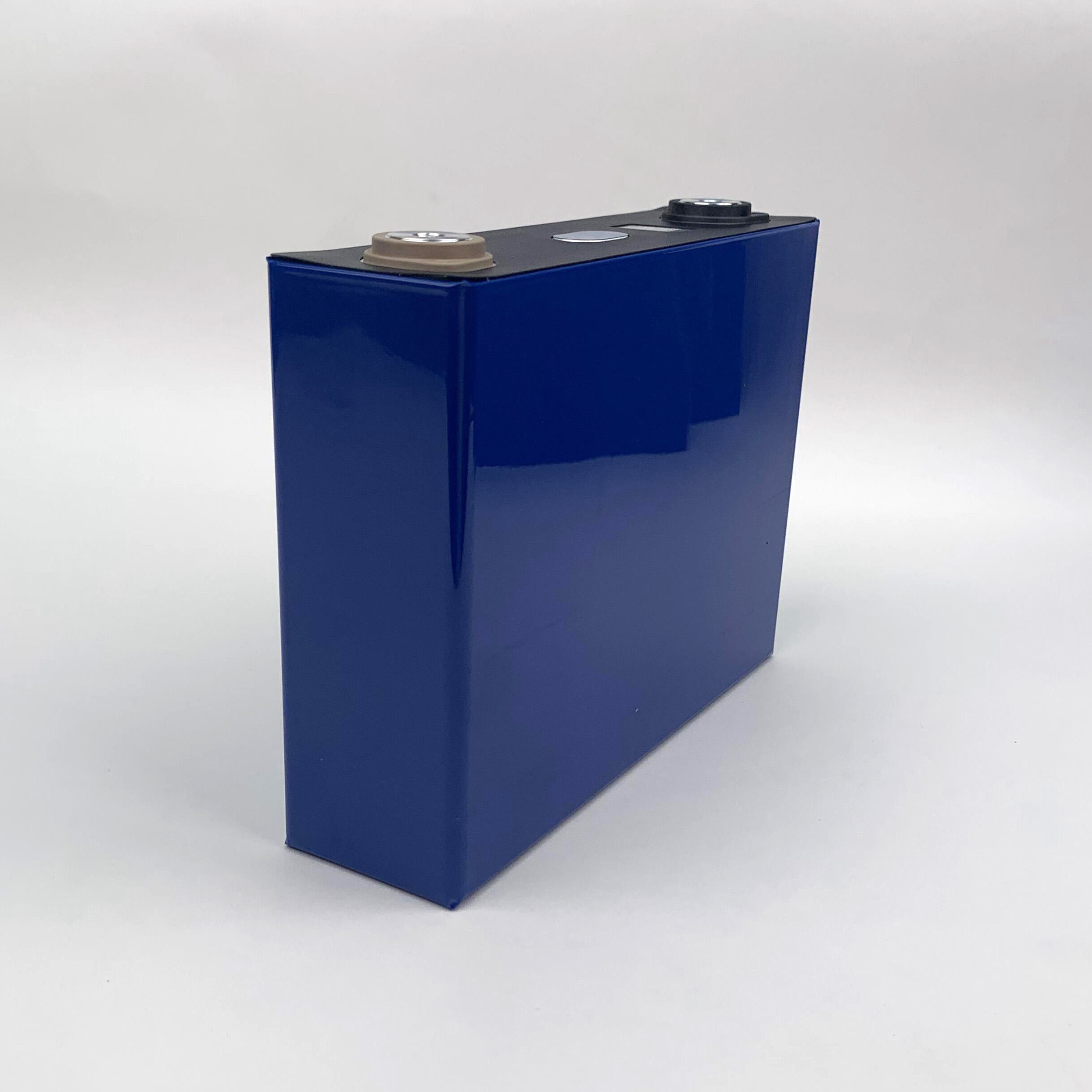
Õige hooldus on teie LiFePO4 aku süsteemi eluea ja toimimise maksimeerimise alus. Need täiustatud liitium-raudfosfaadi akud pakuvad erakordset vastupidavust ja ohutust võrreldes traditsiooniliste aku tehnoloogiatega, kuid nende täielik potentsiaal nõuab siiski konkreetseid hooldusmeetmeid. Teie LiFePO4 aku oluliste hooldusnõuete tundmine tagab usaldusväärse toitevarustuse, takistab vara varajast degradatsiooni ja kaitseb teie investeeringut puhta energiamahtuvuse tehnoloogias.
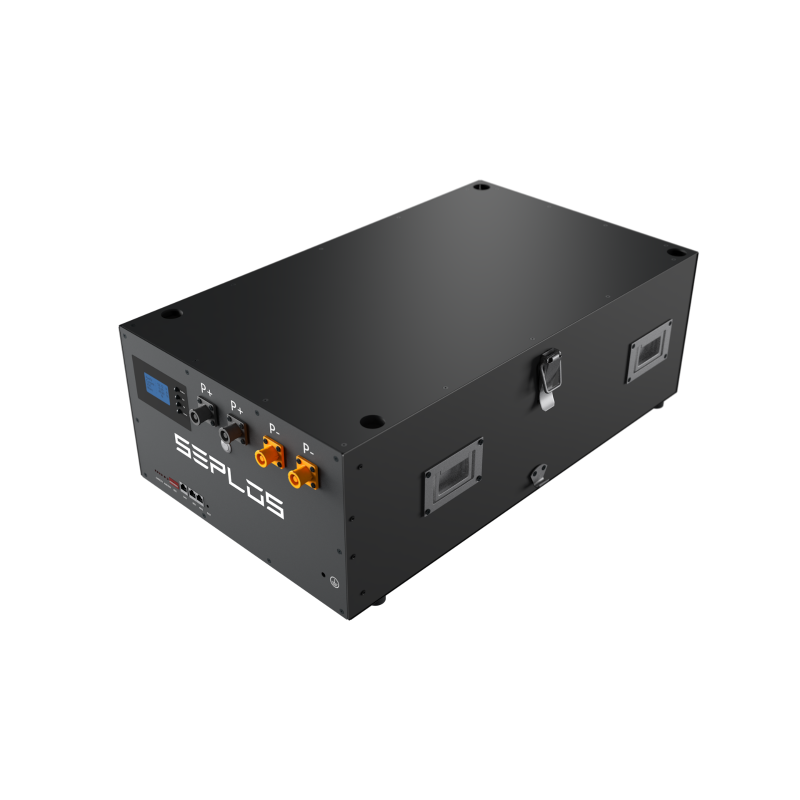
Iga LiFePO4 aku hooldusprotseduur peaks keskenduma temperatuuri reguleerimisele, laadimistsüklite optimeerimisele, pinge jälgimisele ja füüsiliste kontrollprotokollidele. Need põhipraktikad mõjutavad otseselt aku keemilist stabiilsust, rakupõhjust tasakaalu ja kogu süsteemi usaldusväärsust. Süstemaatiliste hooldusmeetodite rakendamisega saab pikendada oma LiFePO4 aku kasutusiga tavaliselt 3000–5000 laadimistsüklist kuni potentsiaalselt 6000 või enamaks laadimistsükliks, sõltuvalt konkreetsest kasutusvaldkonnast ja keskkonningtingustest.
Temperatuuri reguleerimine ja keskkonna haldamine
Optimaalsed töötamistemperatuuri vahemikud
Liitium-raud-fosfaat (LiFePO4) aku töötemperatuuri hoidmine soovituslikus vahemikus 0°C kuni 45°C (32°F kuni 113°F) on oluline rakukirjelduse stabiilsuse säilitamiseks. Temperatuuri äärmused võivad põhjustada liitium-raud-fosfaadi keemilise koostise pöördumatut kahjustust, mis vähendab akukapatsiteeti ja lühendab tsükkeluhtumise eluiga. Külmad temperatuurid alla 0°C võivad laadimisel põhjustada liitiumi plaatumist, samas kui liialt kõrged temperatuurid üle 60°C (140°F) kiirendavad keemilist lagunemist ja elektrolüüdi lagunemist.
Liitium-raud-fosfaat (LiFePO4) aku säilitamiseks sobivad temperatuuritingimused on vähem range, kuid pikemaajaliselt sama olulised. Akusid tuleb säilitada keskkonnas, mille temperatuur jääb vahemikku –20°C kuni 60°C (–4°F kuni 140°F), et vältida püsivat kapatsiteetikahju. Püsiv temperatuur annab paremaid tulemusi kui sageli muutuvad temperatuurid, mis võivad koormata aku juhtsüsteemi ja põhjustada soojuspaisumisega seotud probleeme rakustruktuuris.
Temperatuuri jälgimissüsteemide rakendamine võimaldab teil jälgida soojusolusid pidevalt ja kohandada laadimisparameetreid automaatselt. Paljud kaasaegsed LiFePO4 aku süsteemid sisaldavad sisseehitatud temperatuurisensoreid, mis suhtlevad laadimiskontrolleritega, et optimeerida laadimisprofille keskkonnaolude põhjal, tagades ohutu ja tõhusa energiavalitsemise kogu aeg erinevate hooajaliste muutuste korral.
Ventileerimine ja õhutiksluse tagamine
Piisav ventileerimine LiFePO4 aku paigalduse ümber takistab soojuse kogunemist kõrgvoolulise laadimise või tühjenemise ajal. Kuigi LiFePO4 keemia teeb vähem soojust kui teised liitiumtehnoloogiad, tagab õhuringlus põhjalikult ühtlase temperatuuri kõigis akupankades mitmeaku konfiguratsioonides. Paigaldage akud nii, et kõigil külgedel oleks vähemalt 5 cm vahemaa, et soodustada loomulikku konvektiivset jahutust.
Sunnilise õhuringluse kasutamine muutub vajalikuks suletud akuruumides või kõrgel ümbritseva temperatuuril. Jahutusventilaatorid peaksid aktiveeruma, kui aku temperatuur lähenemine 104°F-le (40°C), et säilitada optimaalsed soojustingimused. Veenduge, et ventilatsioonisüsteem on projekteeritud nii, et see takistab niiskuse sissepääsu, samas kui tagab tõhusa soojuse lagunemise, kuna kondensatsioon võib kahjustada elektrilisi ühendusi ja ohustada turvalisussüsteeme.
Laadimisprotokolli optimeerimine
Pinge ja voolu parameetrid
Täpne laadimispinge reguleerimine on oluline LiFePO4 aku hooldamise ja eluea pikaajalisuse tagamiseks. Seadistage oma laadimissüsteem maksimaalseks pingeks 3,65 volti rakupere kohta, mis vastab 12 V aku konfiguratsiooni korral 14,6 V-le või 24 V süsteemi korral 29,2 V-le. Nende pingepiiride ületamine võib põhjustada turvalisuskatkestusi ja potentsiaalselt kahjustada akuhaldussüsteemi komponente, mis kaitsevad üksikuid rakusid ülelaadumise eest.
Laadimisvoolu tuleb piirata tootja soovitud C-määra piires, mis enamasti on 0,2C kuni 1C enamikul LiFePO4 aku rakendustel. 100 Ah aku tuleb laadida maksimaalselt 100 ampriga, et vältida liialt suurt soojuse teket ja tagada ühtlane laadimine kõigis akurakkudes. Madalamad laadimisvoolud pikendavad aku eluiga, vähendades elektroodmaterjalidele avalduvat koormust ning võimaldades täielikumat liitiumioonide interkalaatsiooni.
LiFePO4 aku süsteemide ujumispinge seaded tuleb 12 V konfiguratsioonide puhul hoida vahemikus 13,6 V kuni 13,8 V, et vältida ülelaadimist ja samas tagada täielik mahutavus. Erinevalt plii-kuul akudest ei vaja LiFePO4 keemia pidevat ujumislaadimist ja saab olla osaliselt laetud olekus ilma sulfaadi moodustumise ohuta, mistõttu sobivad need ideaalselt ajutise kasutamisega rakendustele.
Laadimistsükli haldamine
Osalise laadimissügavuse tsüklite rakendamine pikendab oluliselt teie lifePO4 aku tegevuseluea võrdlus täielike laadimis-tsüklitega. Töötamine laadimisoleku vahemikus 20–80 % tagab optimaalse tsüklielu jõudluse, säilitades samas enamikule rakendustele olulise kasutatava mahutavuse. See lähenemisviis vähendab elektroodmaterjalidele avalduvat koormust ja säilitab paremat rakuparandust tuhandete laadimistsüklite jooksul.
Sageli sügavate lahtilaadimiste (alla 10 % laadimisolek) vältimine takistab pinge langust ja potentsiaalset kahjustust üksikutele akupakkide rakudele. Kuigi LiFePO4-akutehnoloogia suudab teha sageli paremini kui muud litiumpõhised keemiad ka üksikuid sügavaid lahtilaadimisi, tagab pidev pinnaslik tsükleerimine kriitiliste toite rakenduste jaoks üleüldiselt parema pikaajalise jõudluse ja usaldusväärsuse.
Laadimise lõpetamise protokollid peaksid hõlmama nii pinge- kui ka voolupõhiseid kriteeriume, et tagada täielik laadimine ilma ülelaadimistingimusteta. Enamik kvaliteetseid LiFePO4 aku süsteeme lõpetab laadimise automaatselt siis, kui vool langeb alla C/20 (5 % mahtuvusmärgistusest), säilitades samas kogu laadimisprotsessi jooksul õige rakupinge tasakaalu.
Rakupinge tasakaalustamise jälgimine ja parandamine
Rakupinge erinevuste mõistmine
Regulaarne rakupinge jälgimine näitab teie LiFePO4 aku komplekti sisemist tervislikkust ning tuvastab potentsiaalsed probleemid enne, kui need põhjustavad süsteemi katkestumisi. Üksikute rakkude pinge peaks jääma nii laadimise kui ka lahti laadimise ajal üksteisest mitte rohkem kui 0,05 V kaugemale. Suuremad pingekihid näitavad rakutasakaalutust, mis võib vähendada kogu aku komplekti mahtuvust ja potentsiaalselt kahjustada nõrgemaid rakke ülelaadimiskaitse aktiveerumise tõttu.
Rakupinge ebavõrdsus tekib tavaliselt aeglaselt ajas tootmisvariatsioonide, temperatuurierinevuste või üksikute rakude vananemise erinevuste tõttu. Jälgige rakupingeid esimese tööaasta jooksul kord kuus ja seejärel kord kvartalis pärast seda, kui LiFePO4 aku süsteem on näidanud stabiilseid tasakaalustamisomadusi. Dokumenteerige pingelugemised, et jälgida trende ja tuvastada rakud, mis püsivad järjepidevalt normaalsete parameetrite väljaspool.
Akuhaldussüsteemi andmete logimisvõimalused pakuvad väärtuslikke teadmisi rakupinnete töökorralduse kohta ja aitavad prognoosida hooldusvajadusi. Kaasaegsed LiFePO4 aku süsteemid sisaldavad sageli nutitelefonirakendusi või veebiliideseid, mis kuvavad reaalajas rakupingeid, temperatuure ja voolutugevust, muutes jälgimise mugavamaks ning võimaldades ennetava hoolduse planeerimist.
Aktiivsed ja passiivsed tasakaalustamissüsteemid
Täiustatud LiFePO4 aku konfiguratsioonides saavad aktiivsed tasakaalustussüsteemid üle kanda energiat kõrgema pingega elementidelt madalama pingega elementidele, säilitades optimaalse tasakaalu laadimis- ja lahtilaadimistsüklite vältel. Need süsteemid töötavad pidevalt aku kasutamise ajal, takistades aeglast nihelemist, mis viib mahutavuse vähenemiseni ja elemendi varajasele väljalangemisele. Tagage aktiivsete tasakaalustussüsteemide õige toimimine, jälgides nende tööindikaatoreid ja energiakandmise hetkkiirust.
Passiivne tasakaalustus toimub kõrgema pingega elementide takistusliku laadimisega, et need vastaksid madalama pingega elementidele laadimisoperatsioonide ajal. Kuigi see on vähem tõhus kui aktiivsed süsteemid, säilitab passiivne tasakaalustus enamikus LiFePO4 aku rakendustes korralikult seadistatuna elementide tasakaalu. Kontrollige, kas tasakaalustusresistoreid töötavad õigesti ja kas nad ei teki liialt palju soojust, mis võiks kahjustada naabruses asuvaid komponente või mõjutada soojusjuhtimist.
Füüsiline kontroll ja ühenduste hooldus
Terminale ja ühendusi puudutav hooldus
Regulaarne aku terminalide ja ühenduste kontroll takistab võimsuse kaotust ja potentsiaalseid ohutusriske teie LiFePO4 aku süsteemis. Puhastage terminalid kord kuus traatvartliga ja sooda lahusega, et eemaldada korrosioonikihid, ning kandke pinnale õhuke dielektrilise määrdi kiht, et vältida tulevasest oksüdatsioonist. Veenduge, et kõik ühendused jääksid pingutatud vastavalt soovitud pingutusmääradele – tavaliselt 35–50 toll-toll (inch-pounds) standardsete aku terminalide puhul.
Kaablite terviklikkuse kontroll peaks hõlmama visuaalset inspekteerimist isoleerumiskahjustuste, juhtmete korrosiooni ja mehaaniliste koormuskohtade suhtes, kus kaablid painduvad või ühenduvad seadmetega. Asendage viivitamatult kõik kaablid, millel on nähtavad kulutus- või kahjustusmärgid, sest puudulikud ühendused võivad tekitada takistussoojenemist, mis kahjustab teie LiFePO4 aku süsteemi ja äärmuslike juhtudel kaasaegu tuleohtu.
Akutõke süsteemid nõuavad perioodilist kontrolli, et tagada kindel paigaldus ilma ülepinguteta, mis võiks kahjustada aku korpust. Õige paigaldus takistab vibratsioonikahju ja võimaldab soojuspaisumist ja -kokkutõmbumist, mis toimub tavapärasel LiFePO4 aku töötsüklitel.
Korpus ja korpuse inspekteerimine
LiFePO4 aku korpus peaks olema visuaalselt inspekteeritud, et tuvastada igasugused pragud, paisumine või deformatsioon, mis võiksid viidata sisemistele probleemidele või välistele kahjustustele. Akukorpused peaksid säilitama oma algse kuju ja mõõtmed kogu kasutusaja jooksul. Igasugune paisumine või puhkumine viitab potentsiaalsele sisemisele rõhutõusule, mille puhul on vajalik kohe professionaalne hindamine ja võimalikult aku asendamine.
Hoidke akusid puhastena ja kuivana, et vältida terminalite vahelise elektrivoolu teket ja säilitada sobiv isolatsioonitakistus. Puhastamiseks kasutage ainult pehmeid sapulahtiseid, vältides tugevaid kemikaale, mis võivad kahjustada korpuse materjale või kompromisse teha tihendustega. Veenduge, et akusüsteemide ümbruses olevad ärkamissüsteemid töötavad korralikult, et vältida veekogunemist, mis võib põhjustada elektrikahjustusi.
Töökindluse testimine ja mahuväärtuse hindamine
Regulaarsed mahuväärtuse testiprotseduurid
Perioodiliste mahuväärtuse testide läbiviimine teie LiFePO4-akusüsteemil annab objektiivseid andmeid töökindluse halvenemise ja järelejäänud kasutusiga kohta. Tehke täismahuga lahtilaadimistestid iga aasta kontrollitud voolukoorma abil, et mõõta tegelikku ampr-tunnisid andmeid vastavalt deklareeritud tehnilistele näitajatele. Dokumenteerige testitulemused, et jälgida mahuväärtuse säilimist ajas ja tuvastada hetk, mil akusüsteemi vahetamine võib osutuda vajalikuks.
Mahutuse testimine peaks järgima standardseid protseduure koos ühtlase laadimiskiirusega, tavaliselt C/5 või C/10, et tagada täpsed ja korduvad mõõtmised. Jälgige testimise ajal üksikute akurakkude pingeid, et tuvastada nõrgemad rakud, mis võivad piirata kogu akupaki jõudlust. Tulemustele tuleb rakendada temperatuurikompensatsiooni, kuna LiFePO4 aku mahutus sõltub keskkonna temperatuuritingimustest.
Sisemise takistuse mõõtmised annavad lisateavet aku tervisliku seisundi kohta ning võimaldavad tuvastada arenevaid probleeme enne kui need oluliselt mõjutavad mahutust. Kasutage liitiumtehnoloogiale mõeldud erikujulisi akuanalüsaatoreid, et saada täpseid takistuslugusid, mis kajastavad rakku vananemist ja jõudluse halvenemise mustreid.
Jõudluse trendianalüüs ja dokumenteerimine
Hoida üksikasjalikke salvestusi kõigist LiFePO4 aku jõudluse mõõtmistest, sealhulgas mahutavustest, pingeandmetest, temperatuurilogidest ja hooldustegevustest. See dokumentatsioon aitab tuvastada aeglaselt muutuvaid jõudlusettekujusid, mida ei pruugi üksikute mõõtmiste põhjal selgelt näha, ning toetab garantiitaotlusi juhul, kui vara läheb enneaegselt valesti tootja määratud ajavahemiku jooksul.
Määra algtaseme jõudluse mõõtmised oma LiFePO4 aku süsteemi jaoks kohe pärast selle paigaldamist, et saada viitepunkte tulevastele võrdlustele. Jälgi olulisi jõudluse näitajaid, nagu mahutavuse säilitamise protsent, keskmine rakupinge laadimise ajal ja sisemise takistuse muutused, mis näitavad vananemise mustreid ja aitavad prognoosida järelejäänud kasutusiga.
KKK
Kui sageli tuleb kontrollida minu LiFePO4 aku pingetasemeid?
Kontrollige üksikute akurakkude pingeid esimesel kasutusaastal kord kuus, et luua algtaseme mustrid, ja seejärel kord kvartalis pärast seda, kui teie LiFePO4 aku on näidanud stabiilset toimimist. Sagedasemat jälgimist võib olla vaja äärmuslikus temperatuurikeskkonnas või kõrgtsüklilistes rakendustes, kus aku koormus on tõstetud.
Kas ma saan oma LiFePO4 aku pidevalt laadimisseadmega ühendatuna hoida?
Jah, kvaliteetsete LiFePO4 aku süsteemide puhul, millel on sobiv akuhaldussüsteem (BMS), on lubatud pidevalt ühendada ujulaadimisseadmega. Siiski veenduge, et teie laadimissüsteem pakub 12 V akude puhul sobivat ujupinge taseme vahemikus 13,6–13,8 V, et vältida ülelaadimist, mis võib pikema aegaga rakkude kahjustada.
Millises temperatuurivahemikus on ohutu LiFePO4 akusid pikaajaliselt säilitada?
Hooldage oma LiFePO4 aku -4 °F kuni 140 °F (-20 °C kuni 60 °C) temperatuuril optimaalse pikaaegse säilitamise tagamiseks. Pikaajaliseks (üle kuus kuu) säilitamiseks hooldage aku laadimisaset 50–60% juures ja kontrollige pingetasemeid iga kolmanda kuu järel, et vältida sügavlaadimise tingimusi.
Kuidas ma saan teada, millal minu LiFePO4 aku tuleb asendada?
Asendage oma LiFePO4 aku siis, kui selle mahutavus langeb alla 80% algsest nimiväärtusest, üksikute akurakkude pingeerinevused ületavad pidevalt 0,1 V või ilmnevad füüsilised kahjustused, näiteks korpusel paisumine või kontaktide korrosioon. Enamik kvaliteetseid LiFePO4 akusid pakub tüüpilistes rakendustes 3000–5000+ tsüklit enne eluea lõppu.
