
 EN
EN


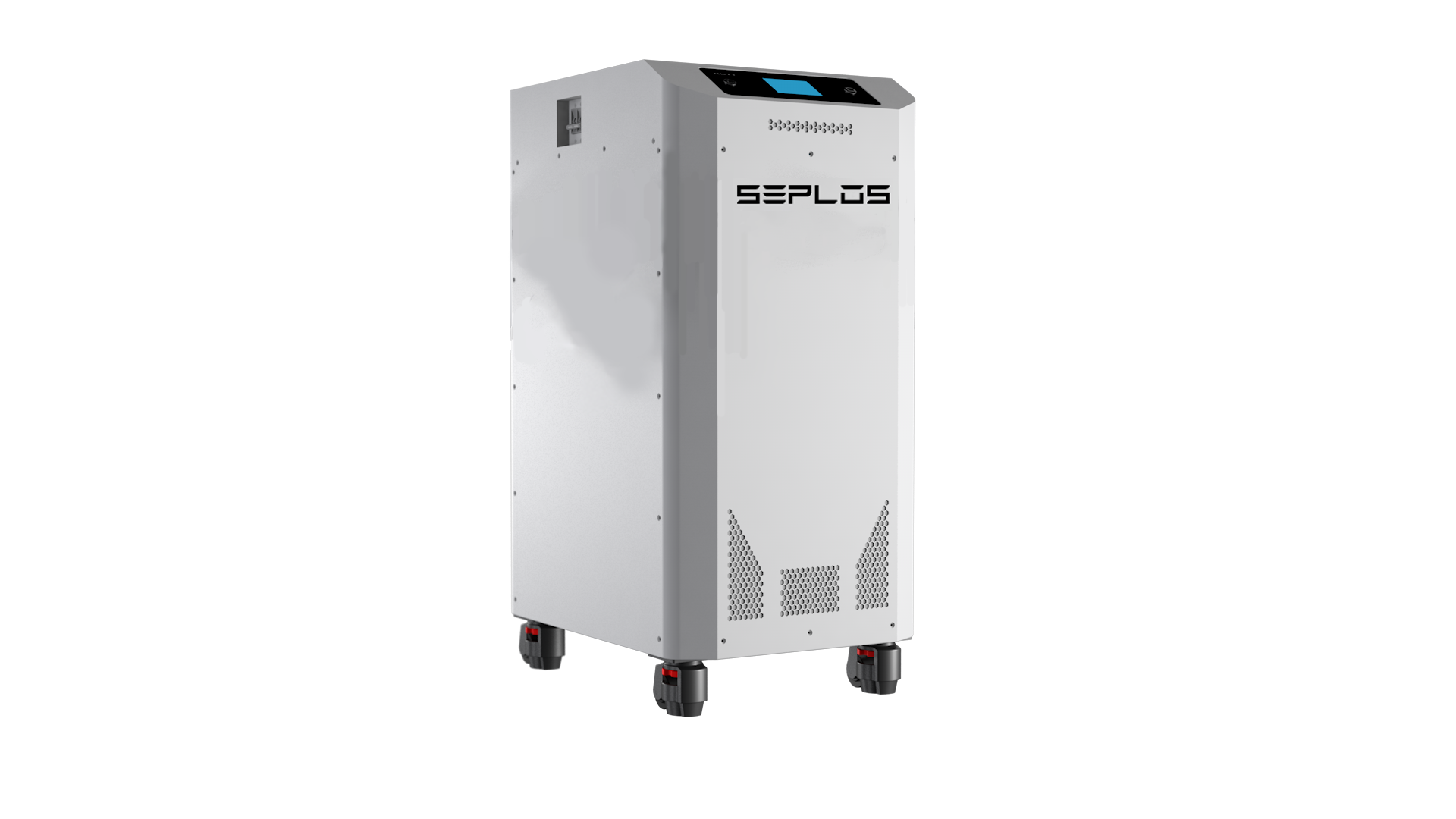
Understanding what constitutes a quality lithium ion batteries pack requires examining multiple critical factors that directly impact performance, safety, and longevity. A superior lithium ion batteries pack combines advanced cell chemistry, robust thermal management, intelligent battery management systems, and reliable mechanical construction to deliver consistent power output across thousands of charge cycles. The distinction between basic and premium battery packs lies in these engineering details that determine real-world reliability and cost-effectiveness over the operational lifespan.
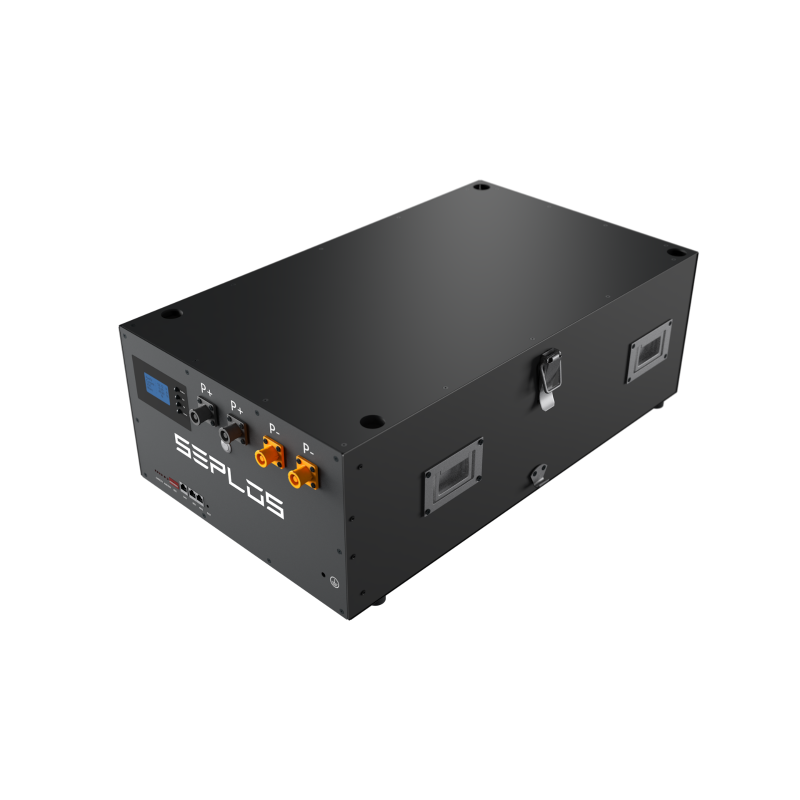
The evaluation criteria for lithium ion batteries pack quality extend beyond simple capacity ratings to encompass cell consistency, protection circuitry effectiveness, and manufacturing precision. Professional applications demand battery packs that maintain stable voltage output under varying load conditions while providing accurate state-of-charge monitoring and comprehensive safety protections. Quality assessment involves analyzing the integration between individual cells, the sophistication of the battery management system, and the durability of mechanical components that ensure long-term structural integrity.
Cell Chemistry and Manufacturing Standards
Advanced Cell Technology Selection
The foundation of any premium lithium ion batteries pack starts with the selection of high-grade lithium cells that demonstrate consistent performance characteristics. Quality manufacturers utilize cells with proven track records for cycle life, typically exceeding 3000 charge-discharge cycles while maintaining 80% of original capacity. The cell chemistry directly influences thermal stability, with LiFePO4 chemistry providing enhanced safety margins compared to standard lithium-ion formulations. Manufacturing precision in cell production ensures minimal variation in capacity and internal resistance between individual cells within the pack.
Cell matching represents a critical quality factor where premium lithium ion batteries pack manufacturers carefully pair cells with nearly identical electrical characteristics. This matching process involves testing cells for capacity, internal resistance, and voltage response curves to create balanced groups that age uniformly throughout the pack's operational life. Poor cell matching leads to premature capacity degradation as weaker cells become limiting factors that reduce overall pack performance.
Quality control during cell manufacturing includes comprehensive testing protocols that verify structural integrity, electrical performance, and safety characteristics under stress conditions. Premium lithium ion batteries pack providers source cells from manufacturers with ISO certification and established quality management systems that ensure consistent production standards. The cell selection process often involves accelerated aging tests and thermal cycling evaluations to predict long-term reliability before integration into battery pack assemblies.
Manufacturing Process Excellence
The assembly process for quality lithium ion batteries pack requires precision welding techniques that create reliable electrical connections without introducing thermal stress that could damage cell components. Advanced manufacturers employ ultrasonic or resistance welding methods that maintain consistent connection resistance while preserving cell integrity. The welding process quality directly affects pack reliability, as poor connections can create hotspots and voltage imbalances that compromise safety and performance.
Environmental controls during manufacturing ensure that lithium ion batteries pack assembly occurs in controlled humidity and temperature conditions that prevent contamination and moisture absorption. Clean room protocols protect sensitive electronic components from dust and debris that could cause short circuits or connection failures. Quality manufacturers implement statistical process control methods that monitor critical parameters throughout assembly to maintain consistent output quality.
Final testing protocols for completed lithium ion batteries pack units include comprehensive electrical testing, thermal cycling, and safety verification procedures. These tests validate that the assembled pack meets performance specifications while confirming proper operation of all protection systems. Quality assurance testing often includes extended cycling tests that simulate months or years of typical usage patterns to identify potential reliability issues before product shipment.
Battery Management System Integration
Advanced Protection Circuitry
A sophisticated battery management system forms the intelligent core of any quality lithium ion batteries pack, providing real-time monitoring and protection against operating conditions that could cause damage or safety hazards. The BMS continuously monitors individual cell voltages, pack current, and temperature at multiple points to ensure operation within safe parameters. Advanced systems include programmable protection thresholds that can be customized for specific applications while maintaining conservative safety margins.
Overcurrent protection in quality lithium ion batteries pack systems includes both hardware and software-based safeguards that respond rapidly to fault conditions. Hardware protection typically involves high-speed semiconductor switches that can interrupt dangerous current flow within microseconds, while software monitoring provides predictive analysis to prevent fault conditions before they occur. The protection system must balance rapid response with immunity to false triggering from normal load transients.
Temperature monitoring and thermal protection represent critical safety features in premium lithium ion batteries pack designs, with multiple temperature sensors strategically positioned to detect localized heating that could indicate cell failure or connection problems. The BMS responds to temperature anomalies by reducing charge or discharge current, activating cooling systems, or shutting down operation entirely if temperatures exceed safe limits. Quality systems provide graduated responses that maintain functionality while protecting against thermal runaway conditions.
Communication and Monitoring Capabilities
Modern lithium ion batteries pack systems incorporate advanced communication protocols that enable remote monitoring and diagnostic capabilities essential for professional applications. CAN bus, RS485, or wireless communication interfaces allow real-time access to detailed pack status information including individual cell voltages, current flow, temperature readings, and historical performance data. This connectivity enables predictive maintenance strategies that optimize pack lifespan and prevent unexpected failures.
State-of-charge estimation accuracy distinguishes quality lithium ion batteries pack systems from basic alternatives, with sophisticated algorithms that account for temperature effects, aging characteristics, and load history to provide reliable capacity predictions. Advanced BMS implementations use coulomb counting combined with voltage-based estimation and impedance tracking to maintain accuracy across varying operating conditions. Accurate SOC information enables optimal utilization of available capacity while protecting against damaging deep discharge conditions.
Data logging capabilities in premium lithium ion batteries pack systems maintain comprehensive operational histories that support troubleshooting, warranty analysis, and performance optimization. The BMS records critical parameters at regular intervals and during significant events, creating detailed records of pack utilization patterns, environmental conditions, and any protection system activations. This data proves invaluable for understanding pack behavior and optimizing charging strategies for maximum longevity.
Thermal Management and Safety Systems
Heat Dissipation Design
Effective thermal management separates quality lithium ion batteries pack designs from basic alternatives, as temperature control directly impacts safety, performance, and lifespan. Premium pack designs incorporate passive cooling through optimized cell spacing and thermal conductive materials that distribute heat evenly throughout the assembly. The mechanical design considers airflow patterns and heat sink integration to maintain safe operating temperatures under high-power conditions.
Active cooling systems in advanced lithium ion batteries pack configurations include forced air circulation or liquid cooling loops that remove excess heat during demanding applications. The cooling system design must balance effectiveness with energy efficiency, as excessive cooling power consumption reduces overall system efficiency. Quality designs include temperature-controlled fan operation and variable cooling intensity based on actual thermal conditions rather than fixed-speed operation.
Thermal barriers and fire suppression features in safety-focused lithium ion batteries pack designs provide additional protection layers against thermal runaway propagation. Fire-resistant materials and thermal barriers between cell groups can contain localized failures and prevent cascade effects that could compromise the entire pack. Some premium systems include inert gas suppression or chemical fire suppressants that activate automatically if dangerous conditions develop.
Mechanical Protection and Durability
Robust mechanical construction ensures that lithium ion batteries pack assemblies maintain structural integrity under operational stresses including vibration, shock, and thermal expansion cycles. Quality pack designs utilize materials and construction methods appropriate for the intended application environment, with industrial applications requiring enhanced protection against dust, moisture, and temperature extremes. The mechanical design must protect internal components while providing access for maintenance and service procedures.
Vibration resistance in mobile lithium ion batteries pack applications requires careful attention to cell mounting methods and internal component securing to prevent mechanical stress on electrical connections. Quality designs include shock-absorbing materials and flexible connections that accommodate movement without creating fatigue failures. Testing protocols for mechanical durability often include extended vibration testing that simulates years of typical usage in mobile applications.
Environmental sealing in quality lithium ion batteries pack enclosures provides protection against moisture, dust, and corrosive atmospheres that could degrade electrical components or create safety hazards. IP-rated enclosures with proper gasket design and cable entry sealing maintain protection integrity over extended service periods. The sealing system must balance environmental protection with thermal management requirements and service accessibility.
Performance Verification and Testing Standards
Capacity and Efficiency Validation
Comprehensive testing protocols for quality lithium ion batteries pack verification include capacity testing under various discharge rates and temperature conditions to validate performance specifications across the operating envelope. Standard capacity testing at C/3, 1C, and 2C discharge rates reveals how the pack performs under different load conditions, with quality packs maintaining high capacity retention even at elevated discharge rates. Temperature testing from 0°C to 45°C demonstrates performance consistency across typical operating environments.
Efficiency measurements for lithium ion batteries pack systems include both charge and discharge efficiency testing that accounts for BMS power consumption and thermal losses. Quality packs typically achieve round-trip efficiency exceeding 95% under normal operating conditions, with minimal degradation as the pack ages. Efficiency testing includes power factor analysis and harmonic distortion measurements that reveal the quality of power conversion systems integrated with the battery pack.
Cycle life testing represents the most demanding validation procedure for lithium ion batteries pack quality assessment, with accelerated testing protocols that simulate years of typical usage within compressed timeframes. Quality packs demonstrate consistent capacity retention through thousands of cycles, with well-designed systems maintaining 80% of original capacity after 3000 to 5000 cycles depending on the specific chemistry and application profile. Cycle testing often includes periodic capacity checks and impedance measurements that track aging characteristics.
Safety and Reliability Assessment
Safety testing for premium lithium ion batteries pack systems includes abuse testing protocols that verify protection system effectiveness under fault conditions including overcharge, overdischarge, short circuit, and thermal exposure scenarios. These tests confirm that protection systems respond appropriately to dangerous conditions while maintaining safe operation under normal circumstances. Safety testing often follows international standards such as UL, IEC, or UN transportation regulations.
Reliability testing encompasses extended operation under stress conditions that accelerate potential failure modes, allowing manufacturers to identify and address reliability issues before commercial deployment. Quality lithium ion batteries pack systems undergo thousands of hours of continuous operation testing combined with thermal cycling and vibration exposure to simulate realistic aging conditions. Statistical analysis of test results provides confidence intervals for expected service life and failure rates.
Quality assurance protocols for lithium ion batteries pack manufacturing include incoming component inspection, in-process testing, and final product verification that ensures every shipped unit meets specification requirements. Traceability systems track component lot numbers and manufacturing parameters that enable rapid identification and resolution of any quality issues that might emerge during service. Continuous improvement programs analyze field performance data and warranty returns to refine manufacturing processes and design standards.
FAQ
How long should a quality lithium ion batteries pack last in typical applications?
A quality lithium ion batteries pack typically provides 8 to 12 years of reliable service in stationary applications, with cycle life exceeding 3000 cycles while maintaining 80% of original capacity. Mobile applications may experience shorter lifespans due to vibration and temperature stress, but quality packs still deliver 5 to 8 years of dependable operation. The actual lifespan depends on usage patterns, environmental conditions, and the quality of the battery management system that controls charging and protection functions.
What safety certifications should I look for in a lithium ion batteries pack?
Quality lithium ion batteries pack systems should carry UL certification for electrical safety, UN transportation certification for shipping compliance, and relevant regional certifications such as CE marking for European markets. Additional certifications like IEC 62619 for stationary applications or IEC 62660 for mobile applications indicate compliance with international safety standards. These certifications verify that the pack has undergone rigorous testing for electrical safety, thermal stability, and protection system effectiveness.
How can I verify the actual capacity of a lithium ion batteries pack?
Capacity verification for a lithium ion batteries pack requires controlled discharge testing at specified current rates, typically C/3 or 1C discharge from 100% to the minimum voltage threshold. The test should be performed at room temperature after the pack has been fully charged using the manufacturer's recommended charging profile. Professional capacity testing equipment provides accurate current control and voltage measurement, while the battery management system should display real-time capacity calculations that correlate with measured results.
What maintenance requirements do quality lithium ion batteries pack systems have?
Quality lithium ion batteries pack systems require minimal routine maintenance compared to traditional battery technologies, with primary requirements including periodic capacity testing, connection torque verification, and environmental cleaning of cooling systems. The battery management system should be monitored regularly for error codes or performance alerts, while temperature and voltage data should be reviewed to identify any developing issues. Professional maintenance may include software updates for the BMS and detailed performance analysis to optimize charging parameters for maximum lifespan.
Table of Contents
- Cell Chemistry and Manufacturing Standards
- Battery Management System Integration
- Thermal Management and Safety Systems
- Performance Verification and Testing Standards
-
FAQ
- How long should a quality lithium ion batteries pack last in typical applications?
- What safety certifications should I look for in a lithium ion batteries pack?
- How can I verify the actual capacity of a lithium ion batteries pack?
- What maintenance requirements do quality lithium ion batteries pack systems have?
