EN
EN



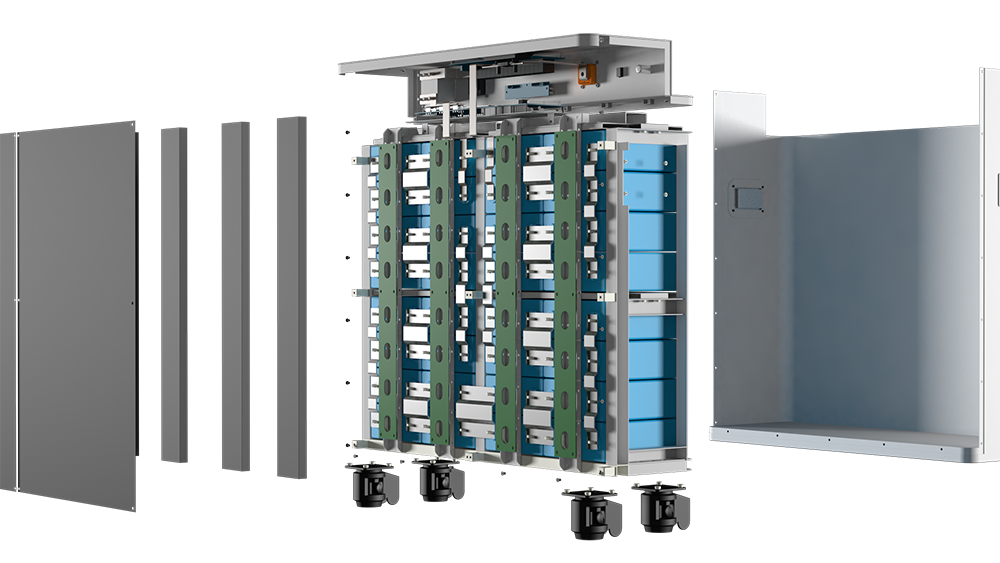
High-voltage lithium ion batteries pack systems have become critical infrastructure for renewable energy storage, grid stabilization, and industrial applications worldwide. As energy demands increase and renewable sources expand, the safety and reliability of these systems directly impact operational efficiency, equipment longevity, and personnel protection. A well-designed lithium ion batteries pack must balance performance demands with rigorous safety protocols, ensuring stable operation across diverse environmental and load conditions. Understanding the essential safeguards and reliability mechanisms in lithium ion batteries pack technology is vital for engineers, facility managers, and energy professionals responsible for deploying and maintaining these systems.
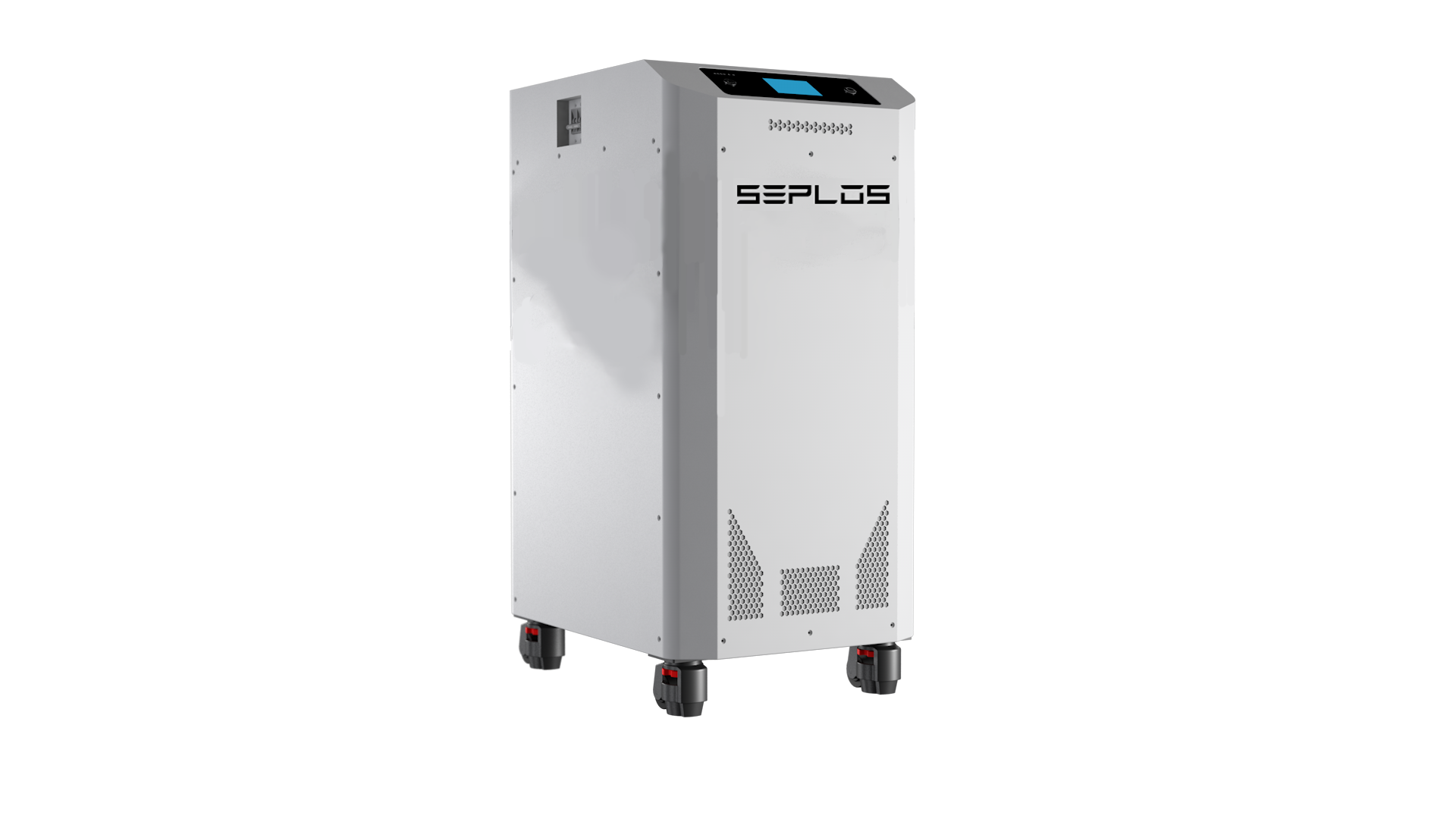
The complexity of modern energy systems demands that lithium ion batteries pack installations incorporate multiple layers of protection, from cell-level monitoring to system-wide redundancy. Safety failures in high-voltage battery systems can result in catastrophic consequences including equipment damage, supply chain disruption, and personnel injury. Reliability concerns directly affect return on investment and project viability. Organizations deploying lithium ion batteries pack technology must understand how thermal management, electrical isolation, monitoring systems, and structural design work together to create safe, dependable energy storage solutions.
Critical Safety Features in Lithium Ion Batteries Pack Design
Thermal Management and Temperature Control
Thermal stability represents one of the most significant safety considerations in any lithium ion batteries pack installation. Elevated temperatures accelerate chemical degradation within cells, increase internal resistance, and can trigger thermal runaway scenarios where temperature rises uncontrollably. A properly engineered lithium ion batteries pack incorporates advanced cooling systems that maintain optimal operating temperatures even under peak load conditions. Liquid cooling technology, phase change materials, and strategic airflow design all contribute to preventing dangerous temperature accumulation. The lithium ion batteries pack thermal management system must respond quickly to temperature changes, ensuring that no individual cell or module experiences prolonged exposure to excessive heat.
Battery Management System Monitoring
The battery management system (BMS) serves as the intelligent nerve center of any lithium ion batteries pack, continuously monitoring voltage, current, temperature, and state of charge across all cells. A robust lithium ion batteries pack BMS implements sophisticated algorithms that detect anomalies before they escalate into safety threats. Real-time data collection enables predictive maintenance, allowing operators to address potential issues before equipment failure occurs. The lithium ion batteries pack BMS must provide instantaneous protection by isolating failed cells, balancing charge distribution, and triggering emergency disconnects when parameters exceed safe limits. Multi-level redundancy in the BMS ensures that monitoring capabilities persist even if primary systems experience degradation.
Structural Integrity and Electrical Isolation Protocols
Mechanical Enclosure Design and Impact Protection
The physical structure containing a lithium ion batteries pack must withstand both normal operational stresses and extraordinary events including vibration, shock, and environmental extremes. A well-designed lithium ion batteries pack enclosure features reinforced casings, vibration dampening systems, and secure mounting configurations that prevent internal component movement during transport or operation. Electrical isolation between the lithium ion batteries pack internal components and external conductive materials eliminates unintended current pathways that could cause arcing, short circuits, or ground faults. Proper grounding of the lithium ion batteries pack frame and all conductive elements ensures that any fault currents dissipate safely rather than creating shock hazards. The structural integrity of the lithium ion batteries pack directly correlates with its ability to maintain safe operation across its entire service life.
High-Voltage Safety Systems and Disconnection
High-voltage lithium ion batteries pack systems demand sophisticated electrical safety architecture including automatic disconnection devices, arc suppression equipment, and redundant isolation switches. When the lithium ion batteries pack experiences internal faults or abnormal voltage conditions, primary disconnection systems must activate within milliseconds to interrupt dangerous current flows. Secondary safety systems provide backup isolation, ensuring that even if primary protection mechanisms fail, the lithium ion batteries pack cannot deliver hazardous energy to connected equipment or personnel. Properly designed lithium ion batteries pack installations include multiple disconnection stages: cell-level, module-level, and system-level protective devices. Each stage of protection in the lithium ion batteries pack architecture works independently, meaning failure of one component does not compromise overall safety.
Operational Reliability and Maintenance Protocols
Cycle Life Optimization and Degradation Management
A lithium ion batteries pack's operational life depends critically on how comprehensively degradation mechanisms are managed from the initial design stage through active maintenance. Chemical processes within lithium ion batteries pack cells gradually reduce capacity, increase internal resistance, and generate heat more readily as cycles accumulate. Intelligent charge management algorithms that moderate charging rates and prevent overcharging extend lithium ion batteries pack lifespan significantly. Temperature control throughout all operational states directly impacts the degradation rate of the lithium ion batteries pack, since elevated temperatures accelerate chemical aging. Facility operators monitoring a lithium ion batteries pack must track key health indicators including capacity retention, internal resistance trends, and thermal response patterns, using this data to optimize charging schedules and predict end-of-life timing.
Preventive Maintenance and Condition Monitoring
Systematic maintenance schedules ensure that a lithium ion batteries pack operates reliably throughout its service period. Condition monitoring technologies embedded in modern lithium ion batteries pack systems detect early warning signs of component degradation before performance becomes noticeably impaired. Visual inspections of the lithium ion batteries pack enclosure, verification of electrical connections, and thermal imaging surveys identify potential issues that could compromise safety. Software-based diagnostics integrated into the lithium ion batteries pack BMS continuously evaluate system health, generating alerts when parameters drift toward unsafe zones. Operators implementing proactive maintenance protocols on their lithium ion batteries pack installations experience extended equipment life, reduced emergency failures, and improved safety outcomes. The lithium ion batteries pack maintenance strategy should include regular capacity testing, voltage balance verification, and cooling system performance assessment.
FAQ
What are the primary failure modes in lithium ion batteries pack systems?
The primary failure modes in lithium ion batteries pack systems include thermal runaway triggered by cell damage or manufacturing defects, internal short circuits caused by dendrite formation or separator degradation, and BMS malfunction that fails to prevent dangerous voltage or temperature conditions. External factors including mechanical damage, environmental extremes, and improper handling can also trigger failures in a lithium ion batteries pack. Understanding these failure mechanisms enables operators to implement protective measures and maintenance protocols that minimize risk.
How does liquid cooling improve safety in lithium ion batteries pack installations?
Liquid cooling systems circulate temperature-controlled fluid through the lithium ion batteries pack structure, removing heat far more efficiently than air cooling alone. This precise temperature control prevents localized hot spots that could otherwise trigger thermal instability within individual cells of the lithium ion batteries pack. By maintaining consistent, moderate temperatures across the entire lithium ion batteries pack installation, liquid cooling systems reduce chemical aging rates, improve charge acceptance, and extend operational lifespan while simultaneously enhancing safety margins.
Why is redundancy important in lithium ion batteries pack protection systems?
Redundancy in lithium ion batteries pack protection ensures that if any single safety component fails, backup systems continue protecting the installation and surrounding personnel. A well-designed lithium ion batteries pack incorporates multiple independent monitoring channels, disconnection devices, and isolation mechanisms so that loss of any single element does not compromise overall safety. This multi-layered approach to lithium ion batteries pack protection reflects industrial best practices and regulatory requirements for critical energy infrastructure.