
 EN
EN


Selecting the optimal solar energy system for your property requires careful consideration of multiple technical and financial factors. Modern solar installations have evolved significantly, offering homeowners and businesses unprecedented flexibility in energy generation and storage capabilities. Understanding the fundamental components, sizing requirements, and integration options will ensure your investment delivers maximum return while meeting your specific power needs. The decision-making process involves evaluating your current energy consumption patterns, available installation space, local climate conditions, and long-term energy goals to create a customized solution that performs reliably for decades.
Understanding Solar Energy System Components
Solar Panel Technologies and Performance
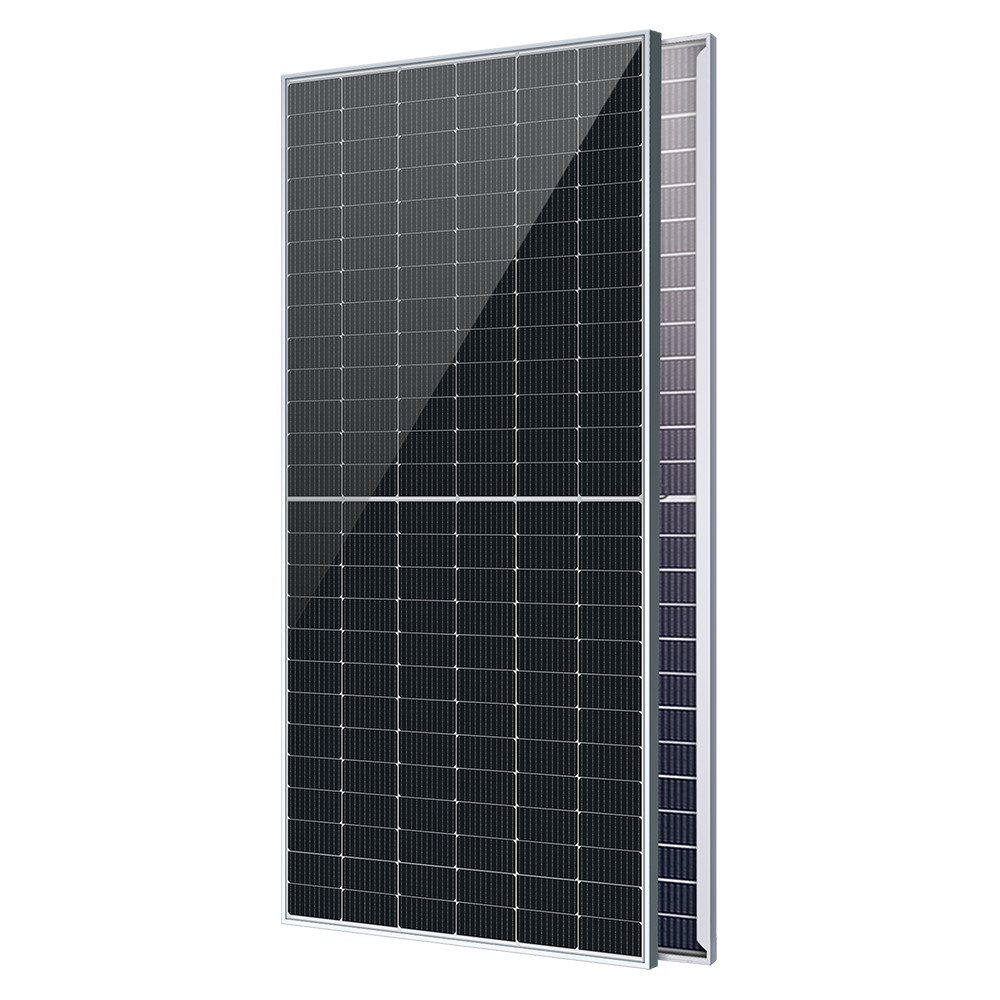
The foundation of any effective solar energy system begins with selecting appropriate photovoltaic panels that match your specific requirements and environmental conditions. Monocrystalline panels offer the highest efficiency ratings, typically ranging from 20-22%, making them ideal for installations with limited roof space or challenging shading conditions. Polycrystalline alternatives provide cost-effective solutions with slightly lower efficiency ratings around 15-18%, suitable for larger installations where space constraints are minimal. Thin-film technologies present unique advantages for flexible installations and perform better in high-temperature environments, though they require significantly more installation area to generate equivalent power output.
Panel degradation rates significantly impact long-term system performance, with premium manufacturers offering warranties guaranteeing less than 0.5% annual power loss over 25-year periods. Temperature coefficients determine how panels perform during extreme heat conditions, with better-quality modules maintaining higher output when temperatures exceed optimal operating ranges. Understanding these specifications enables informed decisions about panel selection based on your local climate patterns and expected system lifespan requirements.
Inverter Selection and System Architecture
Inverter technology serves as the critical conversion component that transforms direct current from solar panels into alternating current compatible with household appliances and grid connections. String inverters offer cost-effective solutions for straightforward installations without significant shading issues, while power optimizers provide panel-level monitoring and performance enhancement capabilities. Microinverters deliver maximum flexibility and fault tolerance by operating independently on each panel, making them ideal for complex roof configurations or installations prone to partial shading throughout the day.
Modern hybrid inverters integrate battery storage capabilities, enabling seamless transitions between grid-tied operation and backup power modes during outages. These sophisticated systems manage power flow automatically, prioritizing self-consumption during peak rate periods while maintaining grid connection for net metering benefits. Selecting inverters with appropriate surge capacity ensures reliable operation of motor-driven appliances and provides headroom for future system expansion without requiring complete equipment replacement.
Sizing and Capacity Planning
Energy Consumption Analysis
Accurate assessment of your historical energy consumption patterns forms the foundation for proper solar energy system sizing and component selection. Analyzing 12 months of utility bills reveals seasonal variations in energy usage, identifying peak consumption periods and establishing baseline requirements for system design. Time-of-use patterns help determine optimal battery storage capacity and charging strategies to maximize economic benefits from rate arbitrage opportunities. Understanding which appliances consume the most energy enables targeted efficiency improvements that can significantly reduce required system size and overall investment costs.
Future energy needs assessment considers planned additions such as electric vehicle charging, pool equipment, or home expansions that will increase electrical demand. Professional energy audits identify opportunities for efficiency improvements through upgraded appliances, enhanced insulation, or smart home automation systems that optimize consumption patterns. Incorporating these factors into system planning ensures adequate capacity for current and projected needs while avoiding oversizing that increases unnecessary installation costs.
Site Assessment and Shading Analysis
Comprehensive site evaluation determines available installation space, optimal panel orientation, and potential obstacles that could impact system performance throughout different seasons. South-facing installations typically generate maximum energy output, though east and west orientations can provide strategic advantages for time-of-use optimization and peak demand management. Roof condition assessment ensures structural integrity can support additional weight loads while identifying necessary repairs or reinforcements before installation begins.
Professional shading analysis using specialized software tools models sun path variations throughout the year, quantifying performance impacts from nearby trees, buildings, or other obstructions. Seasonal shading patterns may require strategic panel placement or technology selection to minimize losses during critical production periods. Ground-mount alternatives provide flexibility for properties with unsuitable roof conditions while offering easier maintenance access and optimal positioning for maximum solar exposure.
Battery Storage Integration
Battery Technology Comparison
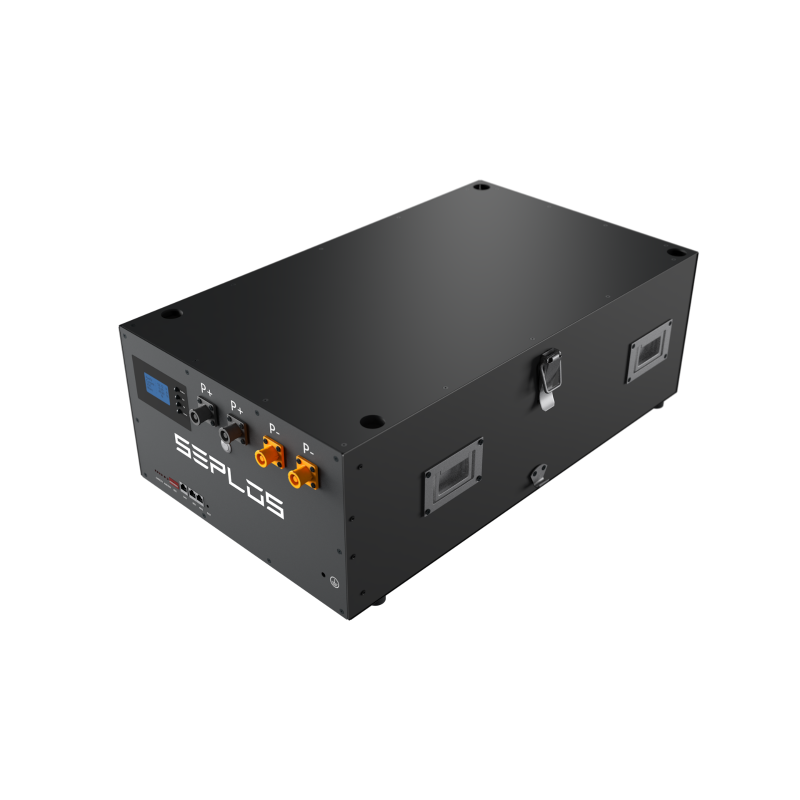
Lithium iron phosphate batteries have emerged as the preferred choice for residential solar energy system applications due to their exceptional safety profile, extended cycle life, and consistent performance characteristics. These advanced storage solutions typically provide 6,000 to 8,000 charge cycles at 80% depth of discharge, significantly outperforming traditional lead-acid alternatives that offer 1,500 to 3,000 cycles under similar conditions. The higher upfront investment in lithium technology delivers superior long-term value through reduced maintenance requirements, improved efficiency, and reliable performance across wider temperature ranges.
Modular battery designs enable scalable capacity expansion as energy storage needs evolve, providing flexibility to start with smaller installations and add capacity incrementally. Advanced battery management systems monitor individual cell performance, optimize charging algorithms, and provide comprehensive safety protection against overcharging, thermal runaway, and other potentially dangerous conditions. Integration with smart home systems allows automated load management and energy optimization based on real-time utility rates and consumption patterns.
Backup Power Configuration
Strategic backup power planning identifies critical loads that require uninterrupted electricity during grid outages, enabling right-sized battery capacity without excessive overinvestment in storage equipment. Essential circuits typically include refrigeration, lighting, communication devices, and medical equipment, while non-critical loads like electric water heaters or air conditioning systems can be temporarily disconnected to extend backup duration. Automatic transfer switches provide seamless transitions between grid and backup power modes, ensuring continuous operation without manual intervention during outages.
Generator integration capabilities offer extended backup power options for prolonged outages or extreme weather events when solar production may be compromised. Hybrid systems can automatically start backup generators when battery reserves reach predetermined levels, ensuring continuous power availability regardless of weather conditions or outage duration. This layered approach provides comprehensive energy security while optimizing fuel consumption and reducing generator runtime for improved reliability and reduced maintenance requirements.
Installation Considerations
Permit and Inspection Requirements
Navigating local permitting processes requires understanding specific building codes, electrical regulations, and interconnection standards that govern solar energy system installations in your jurisdiction. Professional installers typically handle permit applications and coordinate required inspections, but property owners should understand the process timeline and potential delays that could impact project completion schedules. Utility interconnection agreements establish net metering terms, export limitations, and safety requirements that affect system design and operational capabilities.
Homeowner association approval may be required for visible installations, though many states have enacted solar access laws that limit HOA restrictions on renewable energy systems. Historical district regulations or architectural review requirements can impact panel placement, mounting methods, and aesthetic considerations that influence system design options. Understanding these constraints early in the planning process prevents costly design changes or installation delays during project execution phases.
Installation Quality and Workmanship
Professional installation quality directly impacts system performance, longevity, and safety throughout the operational lifespan of your solar energy system investment. Proper mounting techniques prevent roof damage while ensuring secure panel attachment that withstands extreme weather conditions including high winds, snow loads, and thermal cycling. Electrical connections require precise workmanship to prevent arc faults, ground faults, or other safety hazards that could compromise system operation or create fire risks.
Certified installers possess specialized training in solar technologies, electrical codes, and safety procedures that ensure compliant installations meeting manufacturer warranty requirements. Quality installations include comprehensive system commissioning, performance testing, and documentation that verifies proper operation and establishes baseline performance metrics for ongoing monitoring. Choosing experienced installers with strong local reputations and appropriate certifications protects your investment while ensuring optimal system performance and reliability.
Financial Analysis and Incentives
Cost-Benefit Evaluation
Comprehensive financial analysis of solar energy system investments requires evaluating multiple economic factors including upfront costs, ongoing savings, tax incentives, and long-term property value impacts. Federal tax credits currently provide 30% of system costs as direct tax reductions, significantly improving project economics for qualified installations. State and local incentives may include additional rebates, performance payments, or property tax exemptions that further enhance financial returns on solar investments.
Net present value calculations consider electricity price escalation rates, system degradation patterns, and maintenance costs to provide accurate projections of long-term financial performance. Payback period analysis helps determine when cumulative savings will exceed initial investment costs, typically ranging from 6-12 years depending on local utility rates and available incentives. These financial metrics enable informed decision-making about system sizing, component selection, and financing options that optimize economic returns.
Financing Options and Strategies
Solar financing alternatives include cash purchases, solar loans, leasing arrangements, and power purchase agreements, each offering distinct advantages depending on individual financial circumstances and objectives. Cash purchases provide maximum long-term savings and full ownership benefits, while solar loans enable immediate installation with manageable monthly payments that often result in net positive cash flow from day one. Leasing options reduce upfront costs but limit financial benefits and may complicate future property sales or system modifications.
Power purchase agreements allow homeowners to host solar installations with no upfront costs while purchasing generated electricity at predetermined rates, typically below current utility prices. These arrangements provide immediate savings without ownership responsibilities but may include escalating payment structures that reduce long-term benefits. Evaluating financing terms, interest rates, and contract conditions ensures selection of optimal arrangements that align with personal financial goals and risk tolerance levels.
FAQ
How long do solar energy systems typically last
Quality solar energy systems are designed to operate reliably for 25-30 years or more, with solar panels typically warranted for 25 years and inverters for 10-15 years. Most systems continue producing electricity beyond their warranty periods, though at slightly reduced efficiency levels. Regular maintenance and component upgrades can extend system lifespan significantly, with many installations continuing to generate substantial power output after three decades of operation.
What maintenance is required for solar installations
Solar energy systems require minimal maintenance, primarily consisting of periodic cleaning to remove dust, debris, or snow that could reduce power output. Annual professional inspections verify electrical connections, mounting hardware integrity, and inverter performance to identify potential issues before they impact system operation. Most modern systems include monitoring capabilities that alert owners to performance issues or component failures requiring attention.
Can solar systems work during power outages
Standard grid-tied solar energy systems automatically shut down during power outages for safety reasons, preventing electricity from flowing into utility lines while repair crews are working. However, systems with battery storage and appropriate disconnect equipment can provide backup power to critical loads during outages while remaining isolated from the grid. Hybrid inverters manage this transition automatically, ensuring safe operation while maintaining power to essential circuits.
How do weather conditions affect solar performance
Solar energy systems perform optimally in cool, clear conditions with direct sunlight, though they continue generating power during cloudy weather at reduced output levels. Snow coverage temporarily blocks solar production, but panels typically shed snow quickly due to their smooth surfaces and slight warming from electrical generation. Extreme temperatures can reduce panel efficiency, but quality systems are designed to operate safely across wide temperature ranges while maintaining acceptable performance levels.
